
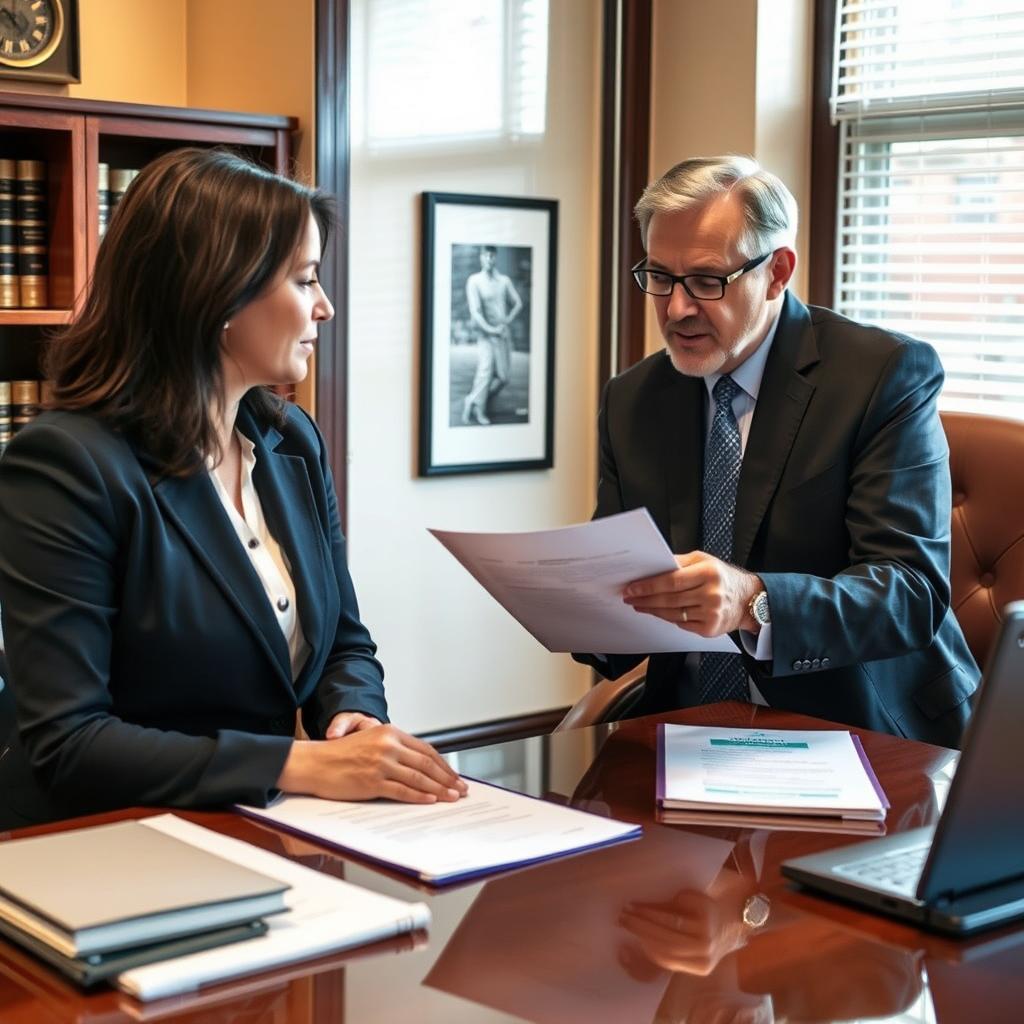
Visitation Modification Lawyer Virginia, VA
Visitation orders in Virginia are grounded in what a court determines serves the best interests of the child, but life changes—a parent moves, a job schedule shifts, a child’s needs evolve. When those changes are substantial and continuing, the existing visitation arrangement may no longer work. Law Offices Of SRIS, P.C. concentrates its Virginia family law practice on helping parents petition for—or defend against—visitation modification. Mr. Sris and his Of Counsel bring over 120 years of combined legal experience to visitation matters, and they appear in juvenile and domestic relations courts and circuit courts across the Commonwealth. Results may vary. To request a consultation, reach the firm at (888) 437-7747. Law Offices Of SRIS, P.C. – Advocacy Without Borders.
What Visitation Modification Means in Virginia
In Virginia, visitation is governed by Va. Code § 20‑124.2, which directs the court to assure a child has frequent and continuing contact with both parents when it serves the child’s best interests. However, a visitation order is not permanent. Either parent may seek a modification by showing a material change in circumstances since the entry of the last order and demonstrating that the proposed change promotes the child’s welfare.
The courts that hear visitation modification depend on the procedural posture. If visitation was set as part of a divorce decree, the matter returns to the circuit court. When visitation was established independently—for unmarried parents or through a separate motion—the juvenile and domestic relations district court (J&DR) retains authority. In Fairfax County, for example, the Fairfax County J&DR Court handles standalone visitation modifications, while the Fairfax County Circuit Court addresses modifications intertwined with equitable distribution or spousal support. The same jurisdictional split applies in Fairfax City, Falls Church, Prince William County, Manassas, and throughout Virginia.
Virginia judges consider the same statutory best‑interests factors used in initial custody determinations, including the age and physical condition of the child, the relationship each parent maintains with the child, the role each parent has played in the child’s life, and any history of abuse. The parent requesting a modification carries the burden of proving both the material change and that a different schedule would be in the child’s best interests. Law Offices Of SRIS, P.C. works with parents across the state—from Northern Virginia locations like Fairfax, Arlington, and Loudoun to Richmond and the Shenandoah Valley—to present clear evidence of changed circumstances and advocate for a visitation plan that fits the family’s current reality.
How Mr. Sris and His Of Counsel Handle Visitation Modification Cases
Every visitation modification begins with a careful review of the existing order and the events that have occurred since it was entered. Mr. Sris and his Of Counsel gather documentation—school records, work schedules, relocation details, communication logs—and identify whether a material change of circumstances exists under Virginia law. They advise clients on the strength of the request and the potential timelines, all without fabricating numeric guarantees. Each case moves at its own pace; the court sets the hearing calendar.
When both parties can agree on a revised schedule, the firm prepares a consent order or a written agreement that the court can adopt, avoiding a contested hearing. When negotiation is not possible, Mr. Sris and his Of Counsel litigate the issue. They present witnesses, introduce evidence of the changed circumstances, and cross‑examine the opposing party. The firm’s advocacy emphasizes the practical impact on the child rather than abstract arguments, and it draws on decades of experience in Virginia family courtrooms to respond to the specific practices of each jurisdiction, whether in Fairfax County, Richmond, or beyond.
About Mr. Sris and His Of Counsel Team
Mr. Sris founded Law Offices Of SRIS, P.C. in 1997. As a former prosecutor, he brings a trial‑tested perspective to every family law matter. He is admitted in Virginia, Maryland, the District of Columbia, New Jersey, and New York, and he has testified before the Virginia House Courts of Justice Committee in support of 2019 HB 635 (chief patron Del. David Bulova). Mr. Sris concentrates his practice in complex family law and visitation modifications, and he keeps a manageable caseload so he can engage deeply with each client’s circumstances.
Mr. Sris is supported by a group of Of Counsel attorneys—none are associates or partners; each is an experienced lawyer engaged on a per‑matter basis. Collectively, Mr. Sris and his Of Counsel bring over 120 years of combined legal experience. Results may vary. They have documented 4,739+ case results across all practice areas since 1997. Together, they serve families throughout Virginia from the firm’s locations in Fairfax, Richmond, Ashburn, Arlington, and the Shenandoah Valley.
Frequently Asked Questions
What is visitation modification in Virginia?
Visitation modification is a legal process by which a court changes an existing parenting‑time schedule because a material change in circumstances has occurred. In Virginia, a parent petitions the juvenile and domestic relations district court or the circuit court—depending on the case’s procedural history—and must show both a substantial change since the prior order and that the proposed modification would serve the child’s best interests under Va. Code § 20‑124.2. The court may adjust days, times, holiday schedules, or supervised‑visitation conditions.
How do Virginia courts decide visitation modification?
Virginia courts apply the trusted‑interests factors listed in Va. Code § 20‑124.3, which include the child’s age, each parent’s role, the child’s relationship with each parent, and any history of abuse, among other considerations. The judge evaluates how the alleged change impacts those factors. For example, a parent’s relocation that makes the existing schedule unworkable could constitute a material change, but the parent requesting the modification must demonstrate why the new proposal is better for the child.
What is a “material change in circumstances” for visitation modification?
A material change is a significant, ongoing alteration in the child’s or parents’ lives that was not anticipated when the current order was entered. Common examples include a parent’s military deployment, a child’s serious health condition, a substantial shift in work hours that prevents adherence to the schedule, or a parent’s repeated interference with visitation. Minor day‑to‑day inconveniences are not enough; the change must be meaningful to justify reopening the court’s order.
Do I need a lawyer to modify visitation in Virginia?
You are not required to have a lawyer, but a family law attorney can present your evidence in a manner consistent with Virginia court procedures and help you avoid procedural missteps. Visitation modification hearings involve rules of evidence, burdens of proof, and deadlines that are easy to miss without legal training. Mr. Sris and his Of Counsel handle every step—from drafting the motion to advocating at the hearing—so that you can focus on your child while the firm manages the legal process.
How do I file for visitation modification in Virginia?
You must file a motion or petition with the court that issued the original visitation order. If the order stems from a divorce in the circuit court, you file there; if it originated in the J&DR court, you file there. The motion should detail the material change and the proposed new schedule. The other parent receives notice and has an opportunity to respond. The court then schedules a hearing, and both sides present their evidence. For guidance on your specific situation, reach Law Offices Of SRIS, P.C. at (888) 437‑7747.
What should I do if the other parent violates the visitation order?
Document every violation—dates, times, and what occurred—and consult a Virginia family law attorney promptly. Repeated violations may support a motion to modify visitation or, in serious cases, a show‑cause petition for contempt. Virginia courts can enforce orders through make‑up time, attorney fees, or other remedies. Do not take unilateral action, such as withholding the child; let the court address the violation.
Virginia Family Law Resources
Explore related practice areas and localities served by the firm:
- Fairfax County family law representation
- Fairfax City family law representation
- Falls Church family law representation
- Prince William County family law representation
- Manassas family law representation
Attorney advertising. Prior results do not guarantee a similar outcome. Results may vary.
Case results depend on a variety of factors unique to each case.