
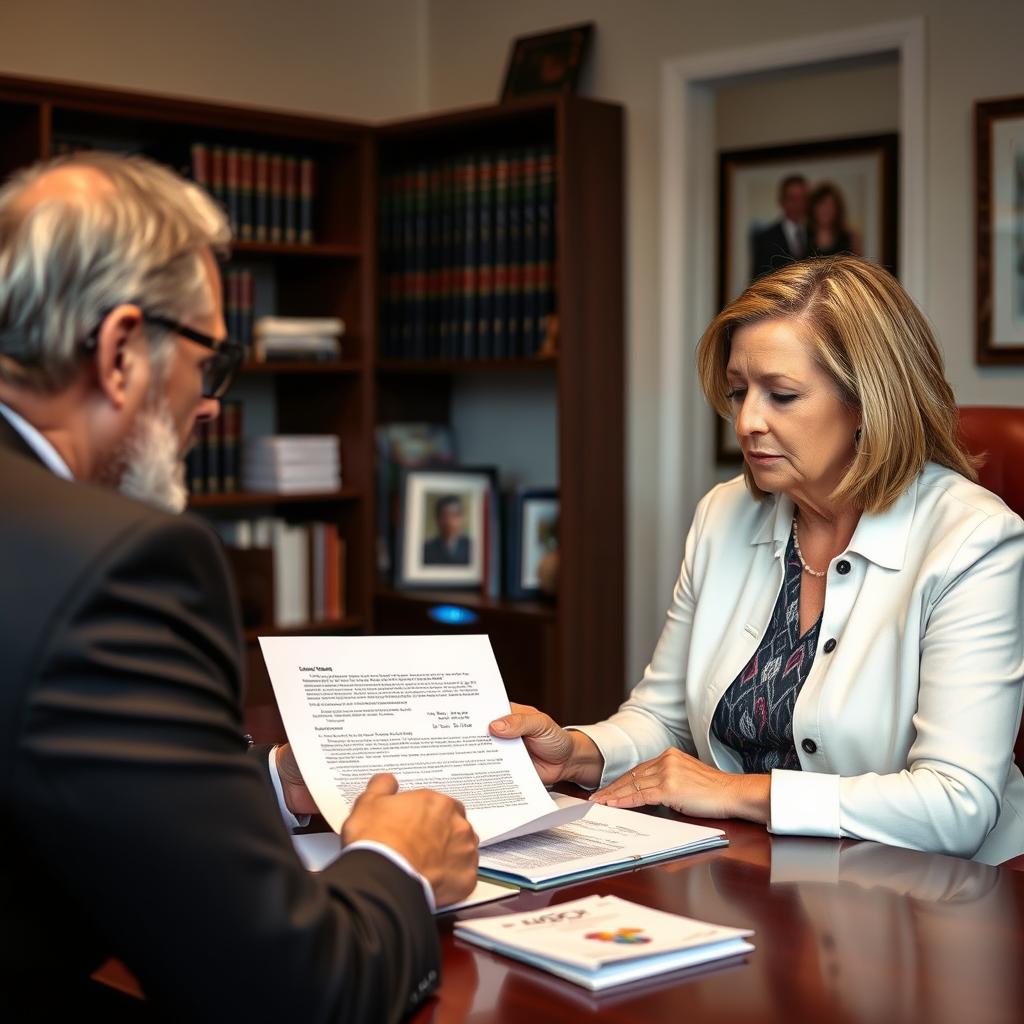
Visitation Modification Lawyer Fluvanna County, VA
When an existing visitation order no longer reflects the best interests of a child in Fluvanna County, one parent may need to seek a modification through the court. Law Offices Of SRIS, P.C., founded in 1997, represents parents, grandparents, and other parties in visitation modification matters across Central Virginia. Mr. Sris, a former prosecutor and now Owner and Founder of the firm, works with his Of Counsel team to help clients present evidence of changed circumstances and advocate for orders that serve the child’s well‑being. Whether you seek expanded time with your child or need to respond to a modification request initiated by the other parent, a knowledgeable approach to the procedural and substantive requirements of Virginia law can make a meaningful difference. For guidance on your specific situation, reach our Richmond location at (888) 437-7747. Law Offices Of SRIS, P.C. – Advocacy Without Borders.
What Visitation Modification Means in Fluvanna County, Virginia
Visitation modification, governed by Va. Code § 20‑124.2 and the trusted‑interests factors set out in § 20‑124.3, permits a court to alter a previously entered visitation order when a material change of circumstances has occurred since the last order. In Fluvanna County, petitions for modification are heard in the Fluvanna County Juvenile & Domestic Relations District Court if the visitation order was issued outside a divorce case, or in the Fluvanna County Circuit Court if the order is part of an existing divorce decree. Both courts are located at 72 Main Street, Suite B, Palmyra, Virginia, within the Sixteenth Judicial District. The communities the firm serves—Palmyra, Fork Union, and Lake Monticello—are connected by Route 15, Route 6, and Route 53, making access to the courthouse manageable for families across the county. Although Virginia law provides a framework for modification, each case turns on its unique facts, and no two families share the same history. The court evaluates whether the requested change genuinely advances the child’s welfare, considering factors such as the child’s age, the parents’ circumstances, and any history that might affect safety.
How Mr. Sris and His Of Counsel Handle Visitation Modification Cases
Mr. Sris and his Of Counsel approach each visitation modification matter by first identifying whether a material change in circumstances exists—a threshold that must be met before the court will entertain a modification request. Common changes include a parent’s relocation, a significant shift in a child’s needs, or a pattern of interference with the existing schedule. Once the factual basis is clear, the firm assists clients in gathering documentation—such as school records, medical updates, and communication logs—that supports the petition or response. In Fluvanna County, the process typically begins with a motion filed in the appropriate court. If both parents can agree on a revised visitation plan, the matter may be resolved through a consent order, which the court will review for the child’s best interests. When agreement is not possible, the court schedules a hearing where each side presents testimony and evidence. Mr. Sris and his team have experience in both negotiating settlement terms and presenting contested cases before the Fluvanna County courts. They also coordinate with professionals—such as mediators or a Guardian ad Litem when appointed—to address the court’s concerns and to keep the child’s welfare at the center of the proceeding. Throughout the case, the firm works to keep clients informed of procedural developments and to prepare them for what to expect during each stage.
Understanding Virginia’s Legal Standard for Visitation Modification
Virginia courts apply a two-part test when considering a motion to modify visitation. First, the moving party must demonstrate that a material change in circumstances has occurred since the entry of the last visitation order. This is a threshold requirement; without it, the court will not proceed to evaluate the merits of the proposed modification. Changes that courts have recognized as material include a parent’s relocation that significantly impacts the existing schedule, a substantial change in the child’s educational or medical needs, evidence of parental unfitness, or a pattern of willful interference with court-ordered visitation by one parent. Second, if the threshold is met, the court must determine whether the proposed modification serves the best interests of the child. The trusted-interests analysis considers the statutory factors enumerated in Virginia Code § 20-124.3, including the child’s age and developmental needs, the relationship between the child and each parent, each parent’s willingness to support the child’s relationship with the other parent, the child’s preference if of suitable age and maturity, and any history of family abuse. The court weighs these factors based on the specific facts of each case, and no single factor is dispositive. Parents seeking modification should understand that the court’s focus remains on the child’s welfare rather than on the preferences or convenience of either parent.
Practical Considerations for Fluvanna County Families
Families pursuing visitation modification in Fluvanna County should be aware of several practical considerations that can affect the timeline and outcome of their case. The Fluvanna County Juvenile and Domestic Relations District Court handles a range of family law matters, and scheduling can vary depending on the court’s docket. Parties should plan for the possibility that a contested modification may take time from filing to resolution. Documentation is critical: parents should maintain detailed records of the existing visitation schedule, any deviations from that schedule, communications with the other parent, and any events or circumstances that support the claimed material change. Contemporaneous notes, text messages, emails, and calendars can all serve as useful evidence. In cases where the child’s needs are at issue, records from schools, healthcare providers, and extracurricular activities may also be relevant. Parents are advised to continue complying with the existing visitation order while a modification petition is pending, as unilateral changes can negatively impact credibility with the court and may, in some circumstances, lead to enforcement proceedings. The attorneys at Law Offices Of SRIS, P.C. can provide guidance on what documentation to gather and how to present it effectively in the Fluvanna County courts.
About Mr. Sris and His Of Counsel Team
Mr. Sris, Owner and Founder of Law Offices Of SRIS, P.C., has been practicing law since 1997 and is admitted in Virginia, Maryland, the District of Columbia, New Jersey, and New York. Before founding the firm, he served as a prosecutor, an experience that informs his ability to anticipate legal arguments and to structure a persuasive presentation of the facts. Mr. Sris testified before the Virginia House Courts of Justice Committee in support of 2019 HB 635 (chief patron Del. David Bulova). He and his Of Counsel bring over 120 years of combined legal experience to family law cases, with 4,739+ documented firm-wide results, including visitation modification matters. Results may vary.
Frequently Asked Questions
What are the grounds for modifying a visitation order in Virginia?
A court may modify visitation when a material change in circumstances has occurred since the last order and the proposed modification serves the child’s best interests. Under Va. Code § 20‑124.2 and § 20‑124.3, the judge examines whether the existing arrangement no longer meets the child’s needs due to factors such as a parent’s relocation, a significant change in the child’s schedule or health, or a pattern of interference with the other parent’s time. The child’s welfare remains the central consideration.
Which court hears a visitation modification case in Fluvanna County?
Standalone visitation orders are modified in the Fluvanna County Juvenile & Domestic Relations District Court, while modifications tied to a divorce are handled by the Fluvanna County Circuit Court. Both courts are located at 72 Main Street, Suite B, Palmyra, VA 22963. The correct filing venue depends on the origin of the original order, and filing in the wrong court can delay a case.
How does a Virginia lawyer handle a contested visitation modification?
In a contested modification, an attorney presents evidence of the changed circumstances through witness testimony, documents, and argument aimed at demonstrating that the proposed revision advances the child’s best interests. Mr. Sris and his Of Counsel prepare clients for the hearing by reviewing the legal standard, organizing exhibits, and, when appropriate, engaging family law professionals such as a Guardian ad Litem to provide an independent assessment for the court.
Can a visitation modification be agreed upon without a court hearing in Fluvanna County?
Yes, when both parents agree on a new visitation schedule, they can submit a consent order to the court for approval, avoiding a contested hearing. The court will still review the agreement to ensure the arrangement is in the child’s best interests. Mr. Sris and his Of Counsel help parents draft consent orders that accurately reflect the agreed terms and satisfy the court’s requirements.
What should I do if I want to modify visitation in Fluvanna County?
Contact an experienced family law attorney promptly to evaluate whether you have grounds for modification and to prepare the necessary motion. Gather any records that show the change in circumstances—such as school calendars, medical updates, or communication logs—and avoid unilateral changes to the existing order, which can complicate the case. For guidance, reach Law Offices Of SRIS, P.C. at (888) 437-7747.
For more information on family law issues in nearby localities, you may also review our pages on Family Law Lawyer Fairfax County, VA, Family Law Lawyer Prince William County, VA, and Family Law Lawyer Manassas, VA.
Outbound authority sources: Virginia Code Title 20 (Domestic Relations) · Fluvanna Combined Courts · Virginia Judicial System
Attorney advertising. Prior results do not guarantee a similar outcome.
Results may vary.
Case results depend on a variety of factors unique to each case.