
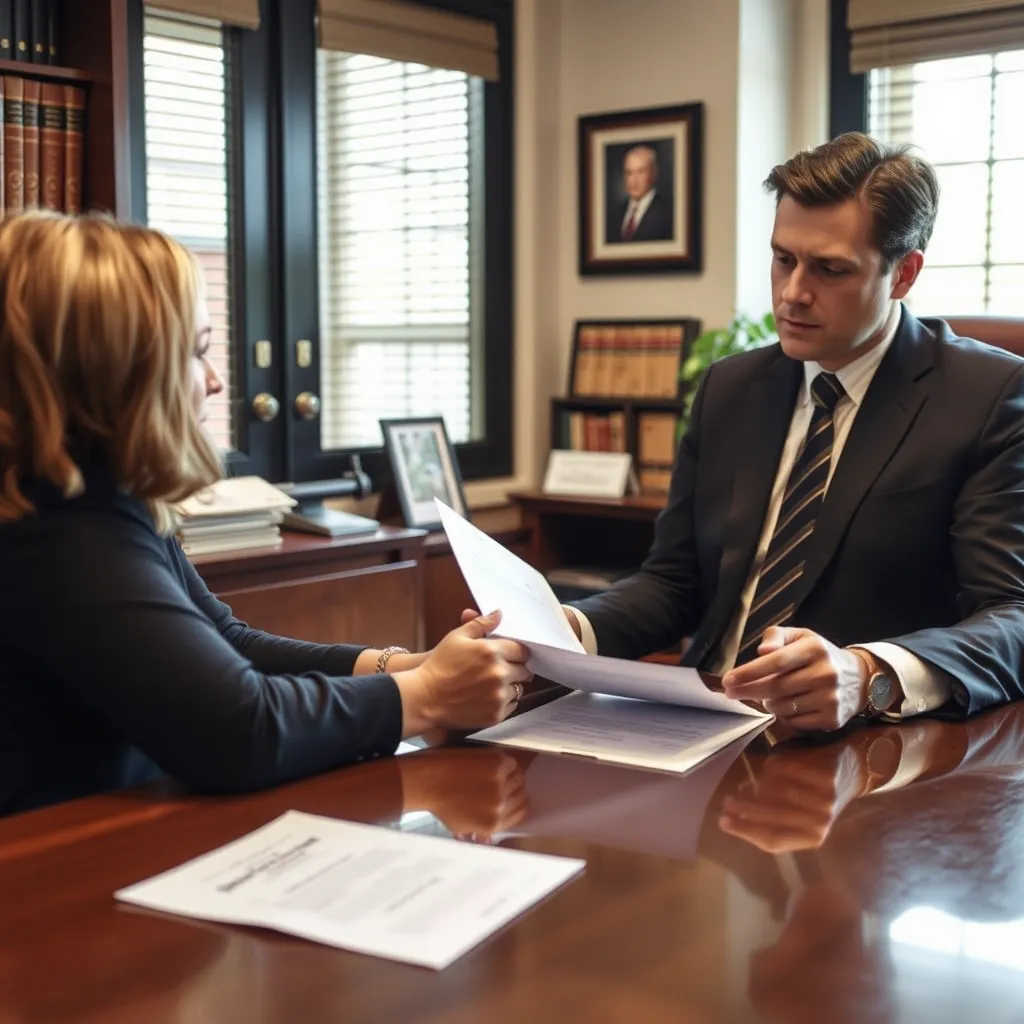
Visitation Modification Lawyer Fairfax, VA
Navigating changes in custody and visitation schedules requires experienced attorney local counsel. The Law Offices Of SRIS, P.C. provides dedicated representation for parents seeking to modify existing visitation orders across Virginia.
Law Offices Of SRIS, P.C. | (888) 437-7747 | [Street], Fairfax, VA [ZIP]
Understanding Visitation Modification Law in Fairfax County
The relationship between parents and their children is dynamic, and life circumstances frequently change. Sometimes, the original visitation schedule—whether established by a judge or agreed upon by both parties—no longer accurately reflects the best interests of the child. This situation necessitates a legal process known as visitation modification. In Fairfax County, Virginia, navigating this process can be complex, involving detailed legal standards, emotional considerations, and strict adherence to local court procedures.
The Law Offices Of SRIS, P.C. understands that seeking to modify visitation is often one of the most emotionally challenging times a parent can face. Our approach is rooted in meticulous legal strategy, ensuring that every action taken is guided by the best interests of your child and supported by current Virginia law. We are dedicated to providing clear, authoritative guidance to help you achieve a sustainable and appropriate parenting plan.
If you are facing disputes over custody or visitation schedules in Fairfax, VA, understanding your rights and the legal pathway is the critical first step. Our experienced team of Family Law Defense attorneys has successfully handled numerous modification cases, helping parents secure arrangements that provide stability and support for their children.
What Triggers the Need to Modify Visitation in Virginia?
Virginia law does not mandate a rigid schedule; rather, it emphasizes the “best interests of the child” standard. To successfully modify an existing order, you generally must demonstrate that a significant change in circumstances has occurred since the original order was put in place. These changes are not limited to physical distance or job loss; they can encompass educational changes, shifts in the emotional needs of the child, or alterations in the stability of the household.
For example, if a child begins attending a specialized school that requires more consistent weekday presence from one parent, or if a new medical need arises, these factors become central to your case. We help parents gather and present evidence—including testimony, records, and experienced attorney opinions—that proves the current arrangement is no longer in the child’s best interest. This detailed preparation is what sets our practice apart.
The Legal Process: How Modification Works in Fairfax County
The process of modifying a visitation order typically involves several distinct phases, from initial consultation to final hearing. First, you must gather comprehensive documentation detailing the current situation and the proposed changes. This includes records of school attendance, medical appointments, and detailed accounts of the day-to-day life of the child. Our attorneys guide you through this evidence collection process.
Next, we analyze the specific statutory requirements under Virginia Code § 23-104. The court will require proof that the change in circumstances is substantial enough to warrant altering the existing order. We draft persuasive motions and legal arguments tailored specifically to the Fairfax County Circuit Court’s standards.
Finally, we represent you at mediation or hearing. Our goal is always to negotiate a Parenting Plan that is legally sound, emotionally sustainable, and enforceable. Whether your dispute involves co-parenting disagreements or complex custody issues, our local knowledge ensures you are prepared for every stage of litigation.
Related Family Law Topics We Handle
Beyond visitation modification, the complexities of family law often require comprehensive representation. We frequently assist with related matters, including:
- Custody Dispute Lawyer Fairfax, VA: Establishing primary physical custody.
- Parenting Plan Lawyer Fairfax, VA: Drafting comprehensive schedules.
- Child Support Lawyer Fairfax, VA: Determining appropriate financial support.
How Mr. Sris and the Firm’s Of Counsel Attorneys Handle Visitation Modification Cases in Fairfax
Handling a visitation modification case requires more than just legal knowledge; it demands empathy, strategic planning, and deep familiarity with the local judicial culture of Fairfax County. Our process begins with an intensive intake session where we listen to your entire story without judgment. We work collaboratively with you to build a factual narrative that supports your position while remaining grounded in the law.
Our strategy is multi-faceted. First, we assess the legal viability of the modification based on the “best interests” standard and any significant changes in circumstances. Second, we prepare all necessary documentation, which can include testimony from teachers, counselors, and family members who can attest to the child’s current needs. We ensure that every piece of evidence presented to the court is admissible, relevant, and powerfully supports your desired outcome. The goal is always to achieve a modification that promotes stability and healthy development for your child.
When dealing with complex disputes, our team coordinates efforts between our in-house attorneys and the experience of the firm’s Of Counsel attorneys. These specialized practitioners bring unique perspectives—from specific areas of family law or local court procedure—that strengthen your overall case presentation. We manage all filings, prepare for mediation sessions, and advocate vigorously at hearings, ensuring that a Visitation Modification Lawyer Fairfax, VA approach is applied at every turn to protect your parental rights.
About Mr. Sris and the Firm’s Of Counsel Attorneys
The Law Offices Of SRIS, P.C. was founded on a commitment to providing authoritative, results-driven legal counsel to families in Northern Virginia. Mr. Sris, Owner and Founder, brings decades of experience to every case. He is a former prosecutor with extensive experience in criminal trial work, giving him a unique understanding of litigation procedure that benefits our clients across all areas of law. Mr. Sris is admitted in Virginia, Maryland, the District of Columbia, New Jersey, and New York, providing a robust network of legal insight for our clients.
Our commitment to excellence extends beyond our core team. We maintain a network of highly specialized Of Counsel attorneys who are leaders in their respective fields. These professionals allow us to offer comprehensive support, ensuring that whether your case involves property division, complex custody issues, or visitation modification, you receive counsel from the trusted … Attorneys. We manage these relationships carefully, ensuring that the quality of representation remains consistently high across all matters handled by the firm’s Of Counsel attorneys.
Serving Families Across Northern Virginia
While we are your dedicated Visitation Modification Lawyer in Fairfax, VA, our commitment to family law extends across the greater Washington D.C. Metro area. We frequently assist clients in neighboring jurisdictions:
Frequently Asked Questions About Visitation Modification
What is the “best interests of the child” standard in Virginia?
The best interests standard requires the court to consider the child’s physical, emotional, and developmental needs above all else. It is a flexible standard that requires evidence showing what arrangement will provide the most stability and support for the child.
Do I need to prove that my current visitation schedule is harmful?
While proving harm is helpful, it is not always required. You must primarily prove a significant change in circumstances has occurred since the last order was entered, demonstrating why the original arrangement is no longer appropriate.
How long does the visitation modification process usually take?
The timeline varies greatly depending on the court’s docket and the complexity of the dispute. Simple modifications can be resolved relatively quickly, but contested cases involving multiple parties can take many months.
Can a judge force me to modify my visitation schedule?
A judge cannot unilaterally force a modification without proper legal process. However, if the court determines that a significant change in circumstances warrants a review, they have the authority to issue an order changing the existing schedule.
What evidence is most helpful when modifying visitation?
The most helpful evidence includes detailed records of the child’s routine, school reports, medical documentation, and testimony from third parties (like teachers or counselors) who can speak to the child’s current needs.
Does having a parenting plan help with modification?
Yes. A detailed, written parenting plan is crucial. It provides a clear roadmap for all parties and helps the court visualize a stable, predictable routine that supports the child’s best interests.
What if the other parent refuses to cooperate?
If the other parent is uncooperative, our attorneys are prepared to handle the dispute through formal court filings. We manage the communication and litigation process to keep your case moving forward effectively.
Is mediation always required before a modification hearing?
Often, yes. Virginia courts strongly encourage mediation as a mandatory first step. Mediation is a voluntary process where a neutral third party helps parents negotiate an agreement outside of a courtroom setting.
Does moving away from Fairfax County affect my modification case?
Yes, moving can be considered a significant change in circumstances. If you plan to relocate, it must be addressed proactively and documented thoroughly to ensure the court considers the impact on the child.
What is the difference between custody and visitation?
Custody refers to legal and physical care of the child. Visitation refers to the specific time schedule when a parent has physical access to the child. They are related but distinct legal concepts.
Take the Next Step Toward Stability
The process of modifying visitation is challenging, but you do not have to navigate it alone. The Law Offices Of SRIS, P.C. provides the local experience and dedicated advocacy required to advocate for your family’s best interests in Fairfax County. We guide parents through every legal hurdle, from initial documentation to final court orders.
If you are questioning the current visitation schedule or need to modify a parenting plan, please reach out to our team today. By scheduling a consultation with a Visitation Modification Lawyer Fairfax, VA, you can gain clarity on your rights and the actionable steps needed to secure a stable future for your child.
Call us today at (888) 437-7747 to schedule your confidential consultation. We are here to help you reach our location by appointment only.
Disclaimer: The information provided on this website is for informational purposes only and does not constitute legal advice. Laws regarding visitation modification change frequently and vary depending on the specific facts and jurisdiction. You should consult with a qualified attorney licensed in your state to discuss your particular situation.
Case results depend on a variety of factors unique to each case.
Attorney advertising. Prior results do not guarantee a similar outcome.