
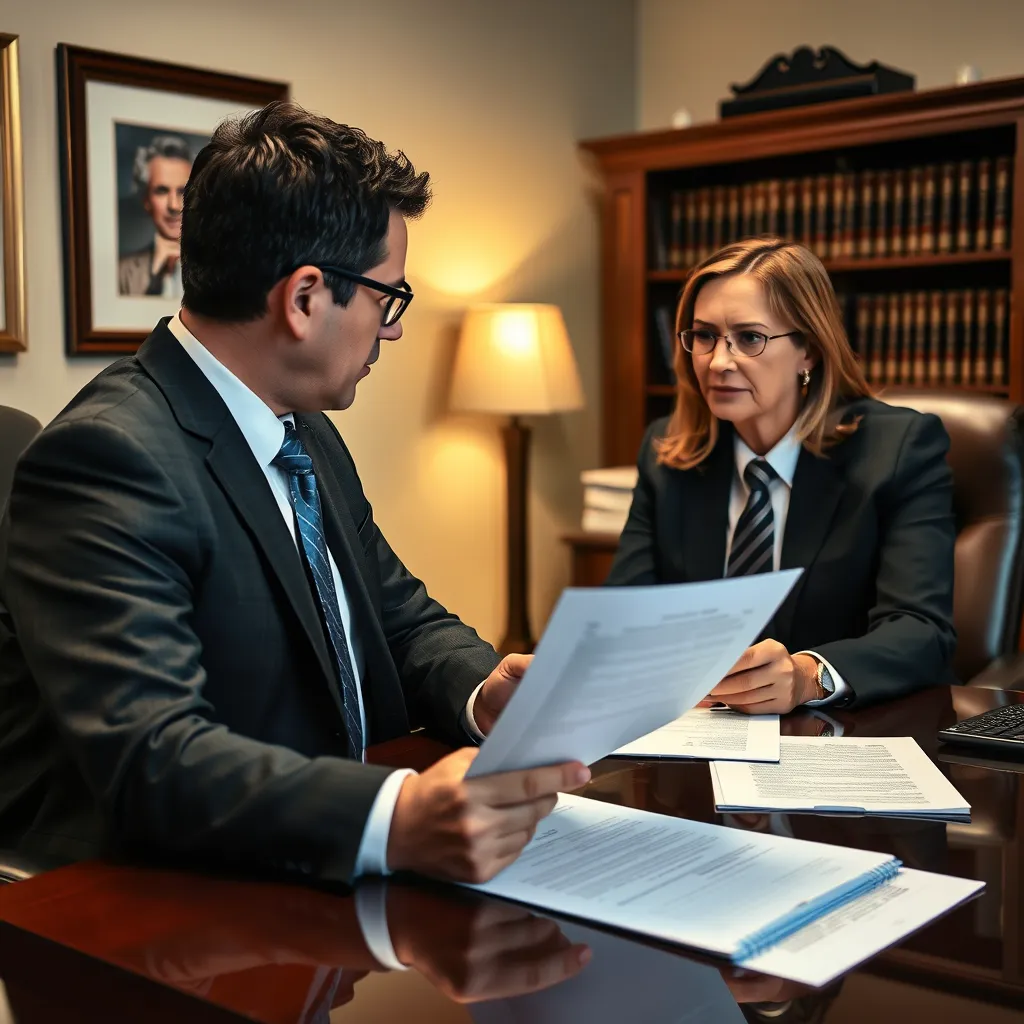
Note: This article is confirmed by Law Offices Of SRIS, P.C.
WRITTEN BY: Mr. Sris
Since 1997, Mr. Sris has led the firm, focusing on the most challenging criminal and family law cases… His background in accounting and information management aids in financial and technology-related cases… Involved in significant legislative changes in Virginia.
Insight: My focus since founding the firm in 1997 has always been directed towards personally handling the most challenging and involved criminal and family law matters our clients face.
Insight: I find my background in accounting and information management provides a unique advantage when handling the intricate financial and technological aspects inherent in many modern legal cases.
Insight: As someone deeply involved in the community, I believe it’s important to not only practice law but also to actively participate in shaping it, which is why I dedicated effort towards amending Virginia Code § 20-107.3 and achieving state recognition for cultural milestones.
Visitation Enforcement Lawyer Fauquier VA
What is visitation enforcement
Visitation enforcement addresses situations where one parent prevents the other from exercising court-ordered visitation rights. When a custody order establishes specific visitation schedules, both parents are legally required to follow these arrangements. Violations can occur through various means, including refusing access, changing schedules without agreement, or creating obstacles to visitation.
The legal process begins with documenting violations and gathering evidence of non-compliance. This may include communication records, calendar entries showing missed visits, and witness statements. Documentation should be organized and presented clearly to demonstrate the pattern of violations.
Legal options for enforcement include filing motions with the court requesting specific actions. Courts can order makeup visitation time, modify existing orders, or impose penalties on the non-compliant parent. In serious cases, courts may consider changes to custody arrangements if one parent consistently interferes with the other’s visitation rights.
Professional legal guidance helps handle the enforcement process effectively. Understanding local court procedures and requirements is vital for successful enforcement actions. Proper preparation and presentation of evidence can significantly impact the court’s decisions regarding enforcement measures.
How to enforce visitation orders
Enforcing visitation orders begins with thorough documentation of every violation. Keep detailed records of missed visits, including dates, times, and circumstances. Save all relevant communications, such as text messages, emails, or voicemails that show refusal or interference with visitation. Create a log that tracks patterns of non-compliance over time.
The next step involves attempting resolution through communication or mediation. Before pursuing legal action, consider discussing the issue directly with the other parent or through a mediator. Sometimes, misunderstandings or scheduling conflicts can be resolved without court intervention. However, if reasonable attempts fail, legal action becomes necessary.
Filing a motion for enforcement requires preparing specific legal documents. These documents must clearly outline the violations and request appropriate remedies from the court. Common requests include makeup visitation time, modification of existing orders, or enforcement of specific provisions. The motion should include all supporting documentation and evidence.
Court proceedings involve presenting your case before a judge. Be prepared to explain the violations and show how they affect your relationship with your child. The judge will consider the evidence and determine appropriate enforcement measures. Possible outcomes include ordering compliance, adjusting visitation schedules, or imposing penalties for continued violations.
Can I modify visitation enforcement terms
Modification of visitation enforcement terms may be appropriate when current arrangements are not functioning as intended. Significant changes in circumstances, such as relocation, schedule changes, or persistent enforcement issues, can justify seeking modifications. The court’s primary consideration remains the child’s best interests when evaluating modification requests.
Common reasons for seeking modification include changes in work schedules, relocation of either parent, or the child’s changing needs as they grow older. When enforcement actions repeatedly fail to resolve visitation issues, modification may provide a more sustainable solution. The goal is to create arrangements that both parents can realistically follow.
The modification process requires filing a petition with the court outlining the requested changes and supporting reasons. Evidence should demonstrate why current arrangements are no longer workable and how proposed changes better serve the child’s interests. Documentation of enforcement issues and attempts at resolution strengthens modification requests.
Courts evaluate modification requests based on several factors. These include the child’s age and preferences, each parent’s ability to cooperate, and the practical aspects of proposed arrangements. The court seeks to establish visitation schedules that minimize conflict while maintaining meaningful parent-child relationships.
Why hire legal help for visitation enforcement
Legal assistance provides valuable support when dealing with visitation enforcement issues. Professionals understand the specific requirements and procedures involved in enforcement actions. They can help gather and organize evidence effectively, ensuring documentation meets court standards. This preparation increases the likelihood of successful enforcement outcomes.
Experienced legal representation helps handle involved court procedures and filing requirements. Enforcement motions must follow specific formats and include necessary supporting documentation. Missing deadlines or improper filings can delay resolution and affect case outcomes. Professional guidance ensures all procedural requirements are met correctly.
Legal professionals can develop effective strategies for addressing enforcement issues. This may include negotiation attempts before court action, preparation of enforcement motions, or representation during hearings. They understand what evidence courts find most persuasive and how to present your case effectively. Strategic approaches can lead to more efficient resolutions.
Having legal support reduces stress during enforcement proceedings. Professionals handle communication with the other party’s attorney and court appearances, allowing you to focus on your relationship with your child. They provide realistic assessments of likely outcomes and help manage expectations throughout the process.
FAQ:
What constitutes a visitation violation?
A visitation violation occurs when one parent prevents the other from exercising court-ordered visitation rights without valid reason.
How long does enforcement take?
Enforcement timelines vary based on court schedules and case challenge, typically taking several weeks to months.
What evidence helps with enforcement?
Documentation of missed visits, communication records, and witness statements provide strong evidence for enforcement actions.
Can enforcement affect custody arrangements?
Persistent violations may lead courts to reconsider custody arrangements if one parent consistently interferes with visitation.
What remedies can courts order?
Courts can order makeup visitation time, modify schedules, or impose penalties for non-compliance with visitation orders.
Do I need a lawyer for enforcement?
While not required, legal representation helps ensure proper procedures are followed and your case is presented effectively.
What if the other parent relocates?
Relocation may require modification of visitation arrangements to accommodate distance and travel considerations.
How are enforcement costs handled?
Courts may order the non-compliant parent to pay legal costs associated with enforcement actions in some cases.
Can mediation help before enforcement?
Mediation may resolve issues without court action when both parents are willing to cooperate and communicate.
What if violations continue after enforcement?
Continued violations may lead to more serious consequences, including changes to custody arrangements or contempt findings.
How do I document violations effectively?
Keep detailed records of dates, times, circumstances, and all related communications regarding visitation issues.
What if my child refuses visitation?
Courts consider the child’s age and reasons for refusal, but parents generally must encourage compliance with court orders.
Past results do not predict future outcomes