
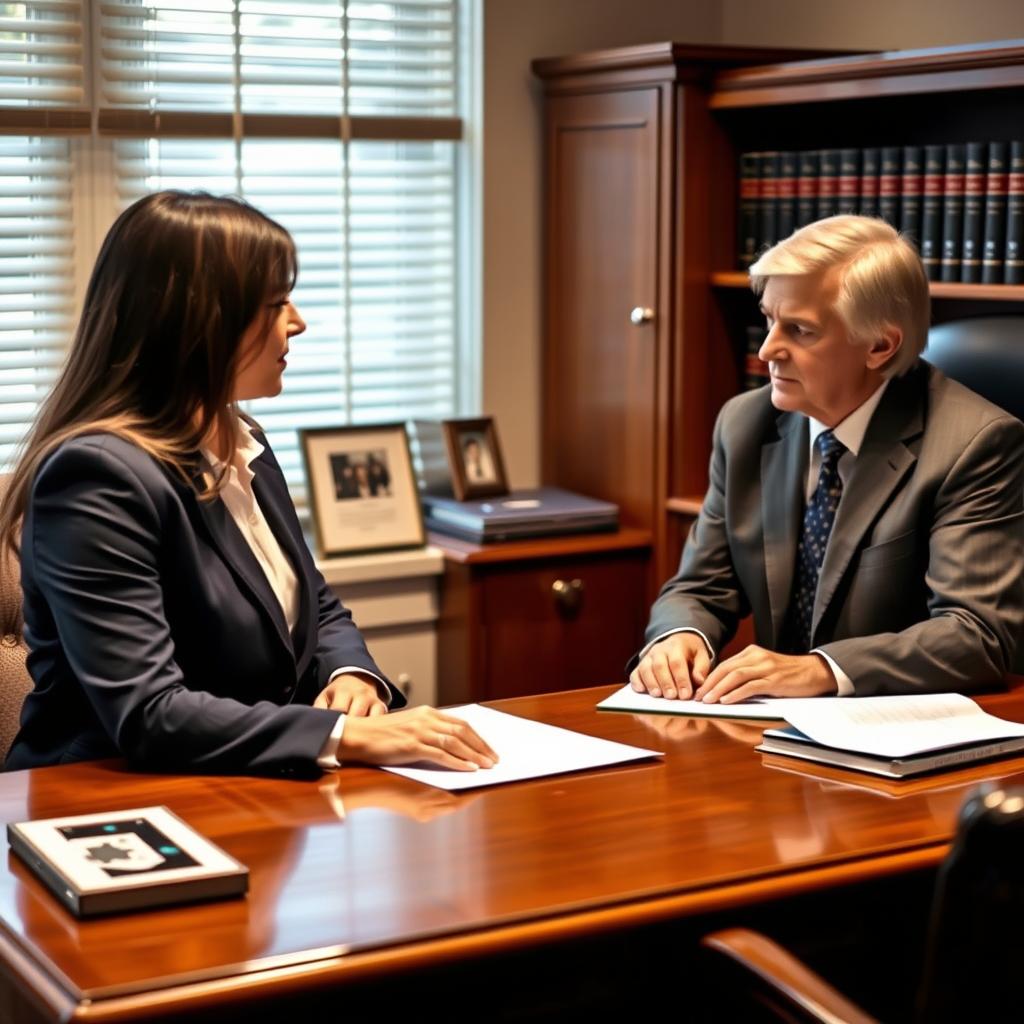
Recognition Of Foreign Divorce Lawyer Fauquier County, VA
When a marriage ends abroad, the question of whether that divorce is valid in Virginia can affect your right to remarry, your property interests, and your legal status. A foreign divorce decree is not automatically enforceable in the Commonwealth. Instead, a party must petition the Fauquier County Circuit Court for recognition of the foreign divorce under Virginia’s comity principles. The court examines whether the foreign court had proper jurisdiction, whether the divorce was valid under the laws of that country, and whether granting recognition would offend Virginia public policy. Mr. Sris and the firm’s Of Counsel attorneys guide clients through each step—from gathering certified translations and authenticating the foreign decree to presenting the matter in court. Law Offices Of SRIS, P.C. represents clients in recognition of foreign divorce proceedings throughout Fauquier County, including Warrenton and the surrounding Northern Virginia communities. For a consultation, reach our firm at (888) 437-7747. Law Offices Of SRIS, P.C. – Advocacy Without Borders.
What Recognition Of Foreign Divorce Means in Fauquier County, Virginia
Recognition of a foreign divorce is a judicial declaration that a divorce obtained in another nation is valid and effective in Virginia. While many people assume an overseas divorce is automatically recognized, Virginia courts apply the doctrine of comity—a discretionary willingness to honor the judgments of foreign tribunals when those judgments meet certain standards. The Fauquier County Circuit Court, located at 6 Court Street in Warrenton, has jurisdiction over family law matters that involve the validity of marital status. The court will review the foreign divorce decree, any supporting documentation, and, if necessary, expert testimony on the foreign law. The firm’s Of Counsel attorneys work with clients to assemble the required evidence, address any defects in the foreign proceeding, and present a persuasive case for recognition. When children or property division issues arise alongside the recognition request, the same Circuit Court—or the Fauquier County Juvenile and Domestic Relations District Court for standalone custody or support matters—can adjudicate those issues after the marital status is resolved.
Virginia does not have a specific statute that directly codifies the recognition of foreign divorces. Instead, the process relies on common-law principles of comity and the court’s inherent authority to determine marital status. The grounds for divorce under Virginia law are found at Va. Code § 20-91, but a party seeking recognition is not re-litigating the grounds; they are asking the court to validate the foreign judgment. Comity requires that the foreign court had proper jurisdiction over the parties, that the divorce was rendered by an impartial tribunal, that the parties were given notice and an opportunity to be heard, and that the result does not violate Virginia’s public policy. When these elements are met, the Fauquier County Circuit Court will typically enter an order recognizing the foreign divorce, which then serves as the definitive statement of the parties’ marital status in Virginia.
How Mr. Sris and the Firm’s Of Counsel Attorneys Handle Recognition Of Foreign Divorce Cases
Each recognition matter begins with a careful review of the foreign divorce decree and the circumstances of its issuance. Mr. Sris and the firm’s Of Counsel attorneys assess whether the foreign court had personal jurisdiction over both spouses, whether the divorce was uncontested or adversarial, and whether any irregularities—such as lack of service or procedural deficiencies—could undermine comity. The firm then gathers certified copies of the foreign decree, official translations if the decree is in a language other than English, and any additional evidence needed to prove the foreign law. In some cases, experienced attorney affidavits from foreign attorneys or legal scholars are used to establish the validity of the foreign judicial system and the specific law under which the divorce was granted.
Once the supporting documentation is assembled, the firm prepares and files a petition in the Fauquier County Circuit Court. If the other spouse resides outside Virginia or abroad, special service-of-process rules may apply; the firm guides clients through these requirements and, where necessary, seeks alternative service through the court. At the hearing, Mr. Sris or one of the firm’s Of Counsel attorneys presents the evidence and argues for recognition. Because Virginia courts respect properly obtained foreign judgments, a well-prepared petition often results in an order of recognition with minimal delay. Throughout the process, the firm also advises clients on related issues—such as the impact of recognition on remarriage, on property division in a subsequent divorce action, or on the enforcement of foreign support and custody orders.
About Mr. Sris and the Firm’s Of Counsel Attorneys
Mr. Sris, Owner and Founder of Law Offices Of SRIS, P.C., has practiced law since 1997 and is admitted in Virginia, Maryland, the District of Columbia, New Jersey, and New York. A former prosecutor, Mr. Sris brings a disciplined, analytical approach to every family law case, including complex international matters. He has testified before the Virginia House Courts of Justice Committee in support of 2019 HB 635 (chief patron Del. David Bulova). Mr. Sris and the firm’s Of Counsel attorneys bring extensive combined legal experience. Results may vary. The firm’s Of Counsel attorneys include practitioners with backgrounds in former prosecution, law enforcement, and complex litigation—all working together to provide thorough representation in recognition of foreign divorce matters. The team appears regularly in the Fauquier County courts and understands the local procedural expectations.
Frequently Asked Questions
What is the legal significance of recognizing a foreign divorce in Virginia?
A foreign divorce is not automatically valid in Virginia until a state court formally recognizes it. Without a court order recognizing the foreign divorce, a party may be unable to remarry in Virginia, may face uncertainty about property rights, and could have difficulty enforcing support or custody provisions contained in the foreign decree. Recognition provides a final, binding determination that the marriage has ended for all legal purposes in the Commonwealth.
Do I need a lawyer to have my foreign divorce recognized in Fauquier County?
While an individual may file a petition for recognition without counsel, the process is procedurally demanding and can be difficult to navigate alone. A lawyer can assist in gathering the proper certified documents, ensuring translations are adequate, proving foreign law, and addressing any jurisdictional concerns that might cause the court to deny recognition. Mr. Sris and the firm’s Of Counsel attorneys have experience with international family law and can present a complete, well-supported petition to the Fauquier County Circuit Court. For a consultation, reach Law Offices Of SRIS, P.C. at (888) 437-7747.
What documents are typically required for a recognition of foreign divorce petition in Virginia?
A certified copy of the foreign divorce decree, a certified English translation if the decree is in another language, and evidence of the foreign law under which the divorce was granted are usually required. Additional materials may include proof that both parties had notice of the foreign proceeding, affidavits from foreign experienced attorneys, and documentation confirming that the foreign court had proper jurisdiction. The firm helps clients obtain and authenticate these records so that the petition is complete.
How long does it take to obtain recognition of a foreign divorce in Fauquier County?
The timeline varies depending on the court’s calendar, the complexity of the foreign proceeding, and the availability of required documentation. When all documents are in order and no contested issues arise, the matter may be resolved efficiently. If service of process on an overseas spouse is necessary, additional time may be needed. Mr. Sris and the firm’s Of Counsel attorneys work to move the case forward as promptly as possible while ensuring the petition meets the court’s standards.
What if the foreign divorce includes child custody or support orders?
Foreign custody and support orders are not automatically recognized or enforced in Virginia simply because the divorce is recognized. Separate proceedings under the Uniform Child Custody Jurisdiction and Enforcement Act or the Uniform Interstate Family Support Act may be necessary to give those orders effect. The firm can advise clients on whether additional steps are needed and can represent them in related custody and support matters in the Fauquier County Juvenile and Domestic Relations District Court.
Can the firm assist with recognition of a foreign divorce obtained in a country that is not a signatory to the Hague Convention?
Yes, the country’s participation in a particular treaty does not automatically bar recognition of its divorce decree. Comity analysis focuses on whether the foreign proceeding was fundamentally fair and the result is consistent with Virginia public policy. The firm handles recognition cases involving divorces from a wide range of jurisdictions, including those where no treaty governs the recognition of family law judgments. For guidance on your specific situation, reach Law Offices Of SRIS, P.C. at (888) 437-7747.
Related legal services in other Northern Virginia localities: Fairfax County family law lawyer | Prince William County family law lawyer | Stafford County family law lawyer | Loudoun County family law lawyer | Arlington County family law lawyer
Virginia legal resources: Virginia Code Title 20 (Domestic Relations) | Fauquier County Circuit Court | Virginia Judicial System
Attorney advertising. Prior results do not guarantee a similar outcome.
Results may vary.
Case results depend on a variety of factors unique to each case.