
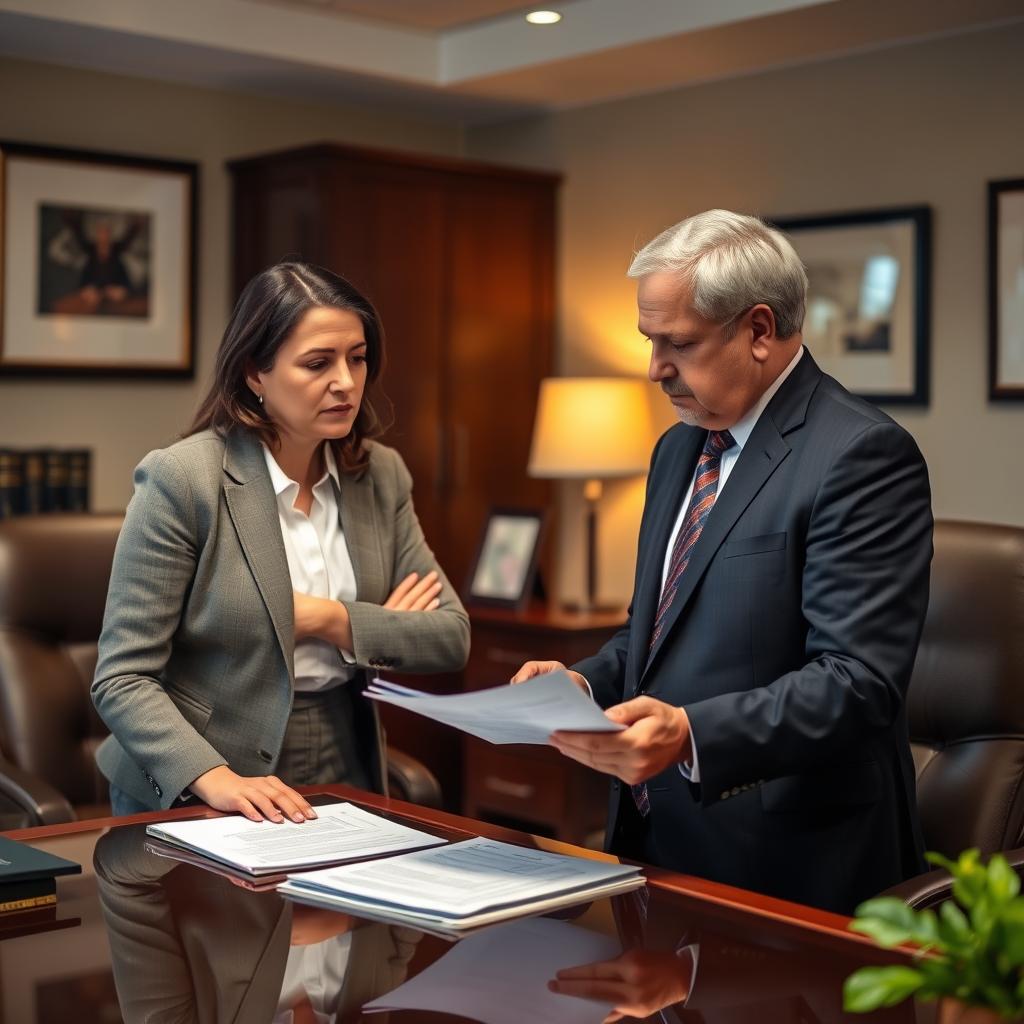
Post Divorce Modification Lawyer Virginia, VA
After your divorce decree was entered, life kept changing. A job change, a relocation, a child’s shifting needs—any of these can make the original support or custody order feel like it belongs to a different chapter. Virginia law acknowledges that families evolve, and the courts can adjust certain legal obligations to match current realities. At Law Offices Of SRIS, P.C., Mr. Sris and his Of Counsel help clients across Virginia pursue post-divorce modifications that reflect where they are now. For guidance on your specific situation, call (888) 437-7747.
What Can Be Modified After a Virginia Divorce?
Not every term of a divorce decree is open to change, but several key orders can be revisited when circumstances shift. Virginia law allows modifications of spousal support, child support, and custody or visitation arrangements if a material change in circumstances has occurred since the last court order. Mr. Sris and his Of Counsel evaluate each case individually to determine whether the facts support a modification under Virginia’s statutory framework.
Spousal Support (Alimony) Modification
A spousal support award may be modified when a material change occurs that was not anticipated at the time of the original decree. Virginia courts consider the factors set out in Va. Code § 20-107.1, including the paying spouse’s ability to pay and the receiving spouse’s need. Common triggering events include involuntary job loss, a significant change in income, remarriage or cohabitation by the recipient, or a change in the recipient’s health that affects earning capacity. The moving party must present evidence demonstrating that the change is substantial and warrants an adjustment.
Child Support Modification
Child support obligations can be adjusted as well. Virginia courts apply the state’s child support guidelines, codified at Va. Code § 20-108.1, to determine the presumptively correct amount. A modification may be sought upon a showing of a material change in circumstances or after the order has been in effect for a certain period and a review would reveal a significant deviation from the current guidelines. Changes in either parent’s income, the child’s needs, or the parenting time schedule can all trigger a review.
Custody and Visitation Modification
Child custody and visitation orders are subject to modification based on a material change in circumstances and the best interests of the child. The court examines the ten factors enumerated in Va. Code § 20-124.3, which include the child’s age and physical and mental condition, the relationship each parent maintains with the child, the role each parent plays in the child’s life, and any history of family abuse. Relocations, changes in a parent’s work schedule, or concerns about a child’s welfare can all be the foundation for a modification motion.
The Modification Process in Virginia Circuit Courts
Post-divorce modification matters are generally handled by the Circuit Court that issued the original divorce decree. The process begins when one party files a motion to modify, explaining the changed circumstances and the relief sought. The moving party must serve the other party, who then has an opportunity to respond. The court may schedule hearings, and the parties often engage in discovery—exchanging financial documents, pay stubs, tax returns, and other relevant evidence. The timeline varies depending on the court’s docket and the complexity of the issues, but Mr. Sris and his Of Counsel work to move modification matters toward a timely resolution while protecting the client’s interests at each stage.
What Virginia Judges Consider in Modification Cases
When evaluating a request to modify support or custody, Virginia judges focus on whether a material change in circumstances has occurred since the last order and whether that change justifies the requested adjustment. For spousal support, the court weighs the statutory factors and the parties’ current financial capacities. For child support, the guidelines serve as the starting point, and any deviation must be supported by written findings. In custody cases, the child’s best interests always control. The judge has broad discretion, and Mr. Sris and his Of Counsel help clients frame the relevant evidence persuasively, drawing on their experience in Virginia family law.
Virginia Post-Divorce Modification Lawyers: Mr. Sris and His Of Counsel
Mr. Sris, Owner and Founder of Law Offices Of SRIS, P.C., is a former prosecutor who has concentrated his practice on family law since 1997. He testified before the Virginia House Courts of Justice Committee in support of 2019 HB 635 (chief patron Del. David Bulova), a measure that affected Virginia’s equitable distribution statute. His hands-on familiarity with Virginia’s legislative process and court system strengthens the firm’s approach to post-divorce modifications. Alongside Mr. Sris, the firm’s Of Counsel team brings experience in family law matters and litigation across Virginia. Together, they represent clients in modification proceedings that address the real-world changes families face.
For a detailed statutory breakdown of Virginia divorce and modification law, visit our main site at srislawyer.com/divorce-lawyer.
Frequently Asked Questions About Post-Divorce Modification in Virginia
What is a post-divorce modification in Virginia?
A post-divorce modification is a court proceeding that changes the terms of a previously entered divorce decree. After a divorce becomes final, certain orders—such as spousal support, child support, custody, or visitation—may be adjusted when a material change in circumstances occurs. The modification process requires filing a motion in the Circuit Court that issued the original decree and presenting evidence to support the requested changes. Mr. Sris and his Of Counsel guide clients through each step of that process.
What qualifies as a material change in circumstances for spousal support?
Virginia courts consider a material change to be a significant, unanticipated event that affects one party’s ability to pay or the other’s need for support. Examples include involuntary job loss, a substantial and sustained reduction in income, the receiving spouse’s remarriage or cohabitation in a marriage-like relationship, or a disability that impacts earning capacity. The change must not have been foreseen at the time of the original support order. Each case turns on its specific facts, and the court will examine financial records, employment histories, and other evidence.
Can I modify child custody if the other parent does not agree?
Yes, a Virginia court can modify child custody even if one parent objects. The moving parent must demonstrate that a material change in circumstances has occurred and that revising the custody arrangement is in the child’s best interests. The court may consider whether the child’s needs have shifted, whether a parent’s circumstances have changed, or whether there are concerns about the child’s safety or well-being. A contested modification typically involves a more extensive hearing, and the court may appoint a Guardian Ad Litem to represent the child’s interests.
How long does a post-divorce modification case take in Virginia?
The timeline for a modification case varies based on the court’s calendar, the complexity of the issues, and whether the parties agree. Uncontested modifications where both sides consent can be resolved relatively quickly after filing and presenting the agreement to the judge. Contested matters, however, may require discovery, settlement conferences, and a trial, which can extend the process. Mr. Sris and his Of Counsel work to keep matters moving forward while building a thorough record for the court’s review.
Is it necessary to have an attorney for a post-divorce modification in Virginia?
While you are not required to hire an attorney, navigating a modification without legal representation can be challenging. A modification proceeding involves procedural rules, evidentiary requirements, and statutory standards that are difficult for a self-represented party to manage effectively. An experienced lawyer can assess whether you have grounds for a modification, gather and present supporting evidence, and negotiate with the other side to reach a resolution. At Law Offices Of SRIS, P.C., Mr. Sris and his Of Counsel provide representation focused on achieving a result that aligns with your current circumstances.
What evidence is most important in a child support modification case?
Financial documentation is central to a child support modification. Pay stubs, tax returns, employment verification, and records of the child’s expenses help illustrate whether a material change has occurred. If one parent claims a loss of income, the court may scrutinize whether the reduction is voluntary. Parenting time schedules also matter, because the support calculation is influenced by the amount of time each parent spends with the child. Mr. Sris and his Of Counsel assist clients in compiling the necessary documents and presenting them clearly before the court.
Request a Consultation About Your Virginia Post-Divorce Modification
If your circumstances have changed and you believe a modification of your divorce decree may be warranted, speak with Mr. Sris and his Of Counsel. Call (888) 437-7747 to schedule a consultation. The firm serves clients from its Fairfax Location and throughout Virginia.
Law Offices Of SRIS, P.C. — Fairfax Location: 4008 Williamsburg Court, Fairfax, VA 22032. By appointment. Call (888) 437-7747 to schedule.
Attorney advertising. Prior results do not guarantee a similar outcome.
Results may vary.
Case results depend on a variety of factors unique to each case.