
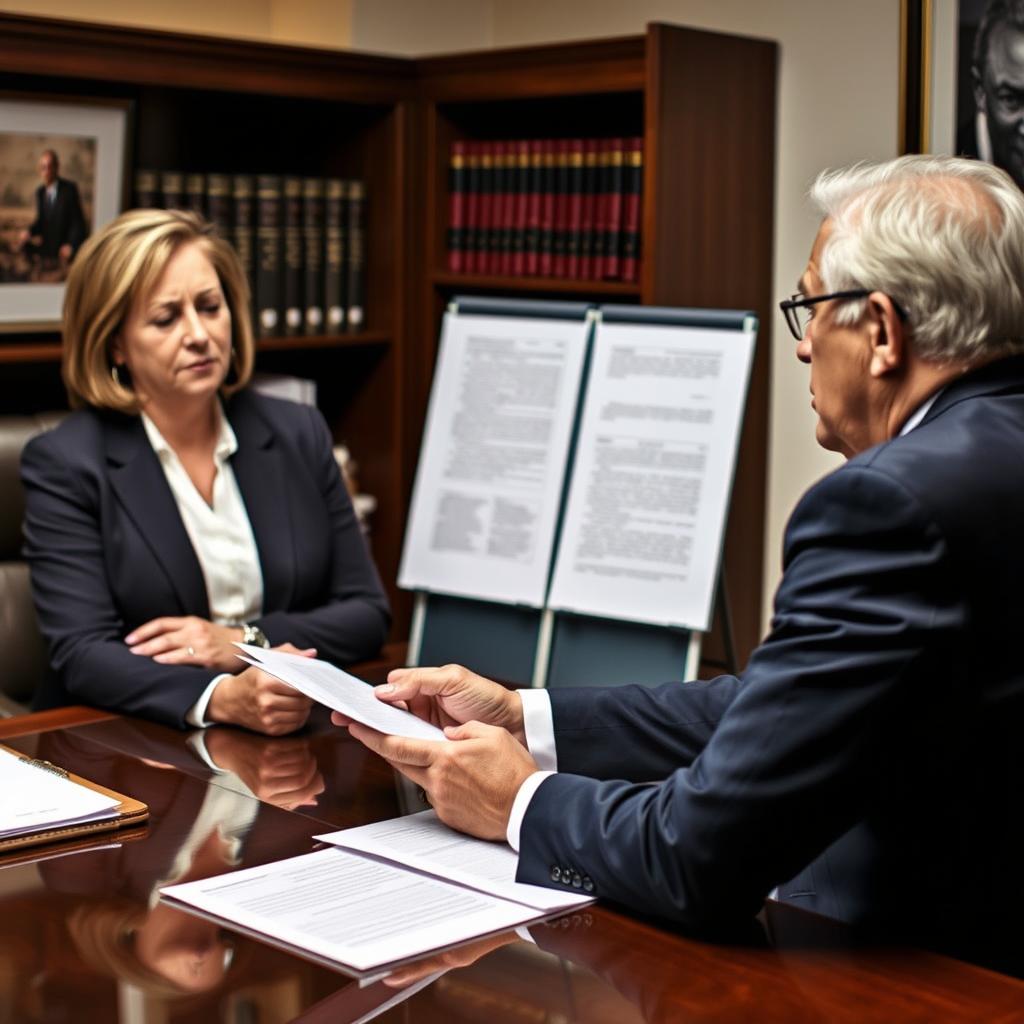
Post Divorce Enforcement Lawyer Powhatan County, VA
Your divorce decree is final, but your former spouse has stopped paying spousal support, refuses to transfer retirement assets, or is not following the custody schedule set by the Powhatan County Circuit Court. That puts you in a difficult position. In Virginia, you have legal tools to enforce the court’s orders. The family law attorneys at Law Offices Of SRIS, P.C. represent clients throughout Powhatan County in post-divorce enforcement proceedings. Call (888) 437-7747 to request a consultation. Law Offices Of SRIS, P.C. – Advocacy Without Borders.
Your Options for Post‑Divorce Enforcement
When a former spouse does not comply with a divorce decree, you can ask the court to enforce it. The specific route depends on which part of the decree is being ignored. If the issue is unpaid spousal support or child support, you may file a petition for a rule to show cause, which asks the court to hold the non‑paying party in contempt. For property division—such as the failure to execute a qualified domestic relations order (QDRO) or turn over retirement assets—the court can issue orders compelling compliance and, in some cases, award attorney fees. For custody‑related violations, a motion to enforce the custody order is the typical vehicle.
The Powhatan County Circuit Court has jurisdiction over all enforcement matters that flow from a divorce decree, while standalone support and custody matters may be heard in the Powhatan County Juvenile and Domestic Relations District Court. Our attorneys regularly appear in both courts, helping clients obtain compliance from a former spouse.
What to Expect in Powhatan County
Enforcement proceedings in Powhatan County follow a predictable path. After you retain counsel, the firm files the appropriate motion or petition with the clerk, along with an affidavit detailing the missed payments or non‑compliant acts. The court issues a summons, and the other party is served. At the initial hearing, the judge may review the evidence and, if the violation is clear, impose a remedy. For support arrears, that often includes a judgment for the past‑due amount plus interest and a wage‑withholding order. In more serious cases, the court can find the non‑complying party in civil contempt, which may lead to fines or even incarceration until the obligation is satisfied.
The timeline varies based on the complexity of the issues, the court’s docket, and the opposing party’s level of cooperation. An experienced attorney can help minimize delays by presenting a complete record at the outset.
Consequences for Failing to Comply with a Decree
Virginia courts take decree violations seriously. The penalties that a judge may impose include monetary judgments for arrears, interest, garnishment of wages or bank accounts, suspension of a driver’s or professional license, and in cases of willful contempt, incarceration. The court may also require the non‑complying party to pay the attorney fees and costs incurred by the party seeking enforcement. When support is at issue, the Division of Child Support Enforcement (DCSE) may become involved, but many enforcement actions are pursued privately through a lawyer. Each situation is unique, and the outcome depends on the specific facts proved in court.
Mr. Sris and His Of Counsel Team
Mr. Sris, Owner and Founder of Law Offices Of SRIS, P.C., founded the firm in 1997. A former prosecutor, he has devoted his career to litigation and family law. Mr. Sris testified before the Virginia House Courts of Justice Committee in support of 2019 HB 635 (chief patron Del. David Bulova). He and his Of Counsel team bring substantial collective experience to family law matters. The firm’s Richmond location serves clients throughout Powhatan County and central Virginia. Mr. Sris and his Of Counsel are prepared to handle enforcement, contempt, and related post‑judgment proceedings. For a consultation, call (888) 437-7747.
Frequently Asked Questions
What is post‑divorce enforcement?
Post‑divorce enforcement is the legal process of compelling a former spouse to obey the terms of a final divorce decree, such as paying support, transferring property, or following a custody order. When one party ignores the court’s orders, the other may return to court to seek compliance through contempt, garnishment, or other remedies. The Virginia Code provides several enforcement mechanisms, and the Powhatan County Circuit Court and Juvenile and Domestic Relations District Court regularly hear these matters. An attorney can advise which avenue fits your situation.
How do I enforce a spousal support order in Powhatan County?
You enforce a spousal support order by filing a petition for a rule to show cause with the appropriate court and presenting evidence that the obligated party has willfully failed to pay. The court may find the party in contempt and order payment of the arrears plus interest, attorney fees, and possibly a wage‑withholding order. In Powhatan County, the Circuit Court handles enforcement of spousal support that was part of the divorce decree. The firm can prepare and file the necessary papers.
What happens if my ex‑spouse ignores a support order?
If a former spouse willfully ignores a support order, the court can hold them in contempt, which may result in fines, a judgment for the amount owed, license suspension, or even incarceration. Virginia allows collection through garnishment, income withholding, and interception of tax refunds. Each case is fact‑specific, and the court’s response depends on the severity and duration of the non‑compliance. Prompt legal action helps preserve your rights.
Can I enforce a custody order from another state?
Yes, under the Uniform Child Custody Jurisdiction and Enforcement Act (UCCJEA), a custody order issued by another state can be registered and enforced in Virginia. Once the out‑of‑state order is registered with the Powhatan County Juvenile and Domestic Relations District Court, local remedies—including contempt and modification of parenting time—become available. The process typically requires certified copies of the foreign decree. Our attorneys can guide you through registration and enforcement.
What is the difference between enforcement and modification?
Enforcement asks the court to compel compliance with an existing order, while modification seeks to change the terms of the order because of a material change in circumstances. For instance, you would enforce an order if support is not being paid, but you would seek modification if your income or the child’s needs have substantially changed. The two actions can sometimes overlap; an attorney can determine which route is appropriate.
Do I need a lawyer for post‑divorce enforcement?
You are not legally required to have a lawyer, but enforcement proceedings involve rules of evidence, pleadings, and deadlines that can be difficult to navigate alone. A lawyer can help prove the violation, calculate arrears accurately, and advocate for the strongest available remedy. For complex property‑division enforcement—such as QDROs—legal guidance is especially important. Mr. Sris and his Of Counsel offer representation in these matters.
How long does an enforcement case take?
The timeline for an enforcement case depends on court scheduling, the complexity of the issues, and whether the opposing party contests the motion. A straightforward support‑contempt matter may be resolved in a few months, while contested property‑enforcement actions can take longer. The procedural tempo is set by the Powhatan County Circuit Court’s docket and the filings of each side.
What does it cost to pursue enforcement?
The cost of enforcement varies with the complexity of the case and the amount of attorney time required, but the court may order the non‑complying party to pay your attorney fees if the violation is proven. At your initial consultation, the firm discusses fee arrangements and potential costs. Call (888) 437-7747 to schedule a consultation.
Related Practice Areas
When you need help with other family law matters in central Virginia, explore our additional resources: Powhatan County Divorce Lawyer, Spousal Support Lawyer, Child Custody Attorney.
Primary‑Source Authority
For the full statutory framework, review Virginia Code Title 20 – Domestic Relations, and for court procedures, visit Powhatan County Courts.
Law Offices Of SRIS, P.C. — Richmond Location
7400 Beaufont Springs Drive, Suite 300, Room 395, Richmond, VA 23225
By appointment. Call (888) 437-7747.
Attorney advertising. Prior results do not guarantee a similar outcome. Results may vary.
Case results depend on a variety of factors unique to each case.