
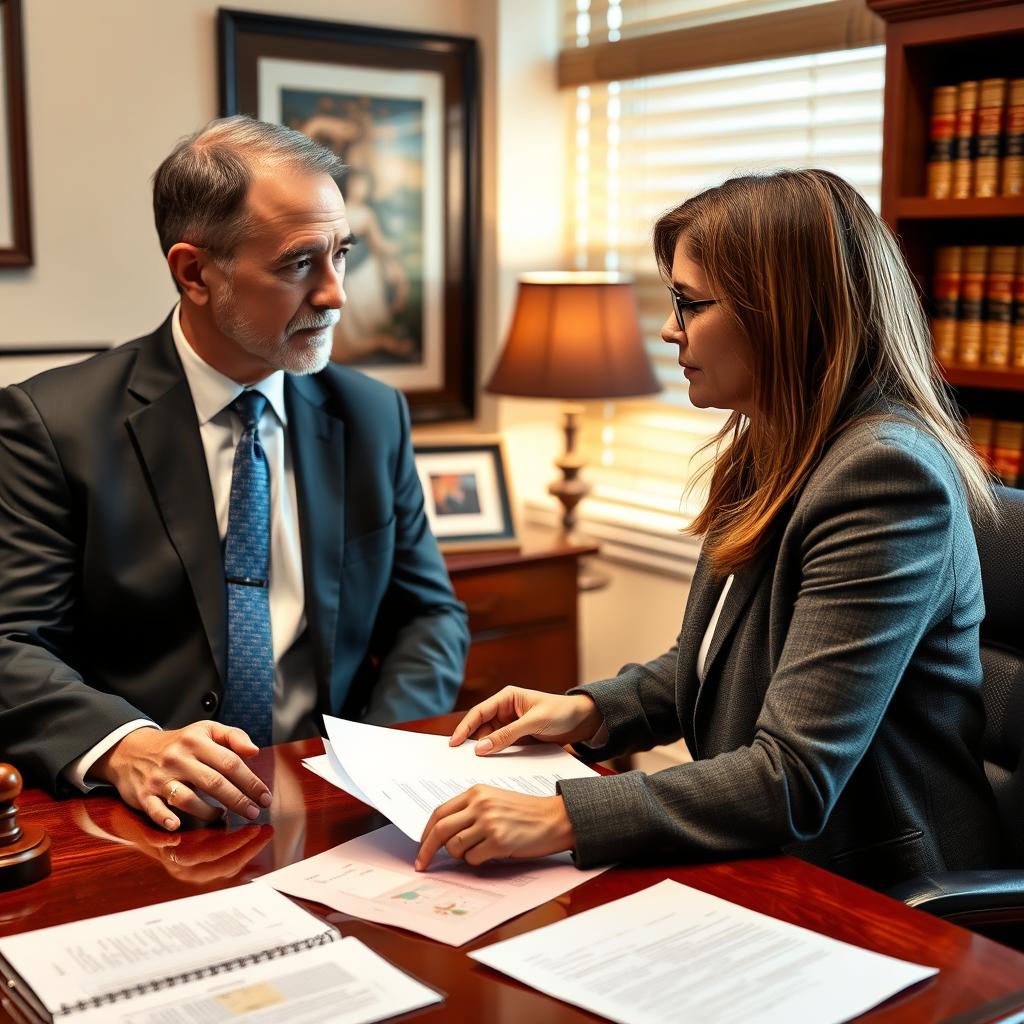
Permanent Alimony Lawyer Roanoke County, VA
Spousal support that continues without a predetermined end date—commonly called permanent alimony—is one of the most significant financial issues a Roanoke County divorce can present. Whether you may be asked to pay support indefinitely or you need long-term assistance after a long marriage, the outcome turns on the specific factors Virginia courts apply under Va. Code § 20‑107.1. Mr. Sris and his Of Counsel represent clients in permanent alimony disputes heard before the Roanoke County Circuit Court at 305 East Main Street, Salem, Virginia. To discuss your situation with an experienced family law attorney, reach Law Offices Of SRIS, P.C. at (888) 437-7747. Law Offices Of SRIS, P.C. – Advocacy Without Borders.
What Permanent Alimony Means in Roanoke County, Virginia
Under Virginia law, spousal support may be awarded for a defined period or, in appropriate cases, for an indefinite duration. Permanent alimony—often referred to as indefinite spousal support—is reserved for circumstances where a party cannot reasonably achieve self-sufficiency despite good-faith efforts. The Roanoke County Circuit Court, located within the Twenty-third Judicial District, exercises exclusive jurisdiction over divorce and related equitable distribution and support determinations. The court evaluates a request for permanent support by examining the thirteen factors enumerated in Va. Code § 20‑107.1, including the duration of the marriage, the standard of living established during the marriage, each party’s age and physical condition, the financial resources and earning capacities of each spouse, and the contributions each spouse made to the family’s well‑being. Because Roanoke County’s economy includes a mix of healthcare, manufacturing, and educational employment, earning‑capacity disputes are common, and the court often weighs vocational evidence carefully when deciding whether permanent support is warranted. A party seeking permanent alimony must demonstrate a need for ongoing support and an inability to become self‑supporting, while the party opposing it may present evidence of the other spouse’s actual or imputed earning capacity. The same statutory factors guide modification requests, so the record developed at trial can affect a party’s rights years later. Mr. Sris and his Of Counsel regularly appear in the Roanoke County Circuit Court for these matters and understand how local practice informs the presentation of vocational, medical, and financial evidence.
How Mr. Sris and His Of Counsel Handle Permanent Alimony Cases
Every permanent alimony case begins with a thorough analysis of the marriage’s financial history and each spouse’s current and projected circumstances. Mr. Sris and his Of Counsel work with clients to identify the evidence that supports their position—whether they are seeking support or defending against an indefinite award. This often involves gathering tax returns, pay stubs, business records, retirement account statements, and information about a spouse’s vocational background and health. Because the Virginia statutory factors are broad, the presentation of evidence is tailored to the specific facts of the marriage and the parties’ current situation. For the spouse requesting permanent support, the focus is on demonstrating a genuine need and a limited ability to become self‑supporting. For the spouse opposing permanent alimony, the strategy may involve showing that the other party has untapped earning capacity or that a rehabilitative or defined‑duration award is more appropriate. Mr. Sris and his Of Counsel also help clients evaluate whether a negotiated resolution through a property settlement agreement is possible; such an agreement can provide certainty that litigation cannot. If litigation is necessary, the team prepares the case for hearing before the Roanoke County Circuit Court, where the judge weighs the evidence and testimony before entering a support order. Throughout the process, clients are advised about the practical implications of each decision, including how a permanent alimony award may be taxable or deductible under current federal law and how future modifications can be sought if circumstances change materially.
About Mr. Sris and His Of Counsel Team
Mr. Sris, Owner and Founder of Law Offices Of SRIS, P.C., has practiced family law since founding the firm in 1997. A former prosecutor, he brings insight into courtroom dynamics and evidentiary presentation to every case. Mr. Sris testified before the Virginia House Courts of Justice Committee in support of 2019 HB 635 (chief patron Del. David Bulova), a bill that revised provisions of Virginia’s equitable distribution statute—a background that reflects his deep engagement with Virginia family law. Mr. Sris is admitted to practice in Virginia, Maryland, the District of Columbia, New Jersey, and New York. Alongside him, the firm’s Of Counsel attorneys contribute extensive combined legal experience to permanent alimony and related family law matters. Our Shenandoah Location, at 505 N Main St, Suite 103, Woodstock, VA 22664, serves clients throughout Roanoke County by appointment. Reach our location at (888) 437-7747 to schedule a consultation.
Frequently Asked Questions
What is permanent alimony in Virginia?
Permanent alimony is indefinite spousal support awarded when the receiving spouse demonstrates a need for ongoing support and an inability to become self‑supporting despite reasonable efforts. Virginia law does not use the term “permanent alimony”; the correct statutory phrase is spousal support for an indefinite duration. The Roanoke County Circuit Court determines whether indefinite support is appropriate after considering the thirteen factors listed in Va. Code § 20‑107.1, including the marriage’s duration, the parties’ ages, health, and earning capacities, and the standard of living during the marriage. The court may order support payable in periodic installments for an undefined period, subject to later modification if a material change in circumstances occurs.
How does a Roanoke County judge decide whether to award permanent alimony?
The judge evaluates the statutory factors under Va. Code § 20‑107.1, focusing on whether the spouse seeking support can realistically become self‑supporting. If the requesting spouse is of advanced age, has health limitations, or lacks recent work experience after a long marriage, the court is more likely to find that indefinite support is appropriate. If the spouse has marketable skills and the capacity to work but has not made a reasonable effort to become employed, the court may impute income and deny permanent support. The decision is discretionary and fact‑specific, so presenting a complete financial and vocational picture is essential. Mr. Sris and his Of Counsel help clients assemble the evidence the Roanoke County Circuit Court expects to see in these contested hearings.
Can a permanent alimony award be modified later?
Yes, an indefinite spousal support award in Virginia can be modified if the party seeking modification proves a material change in circumstances. A material change might include the recipient’s remarriage, a substantial increase or decrease in either party’s income, or a health event that affects earning capacity. To modify support, a party must file a motion in the Roanoke County Circuit Court and present evidence of the changed circumstances. The same statutory factors used in the initial determination guide the modification analysis. Because modification litigation can be costly, many parties negotiate a resolution before a hearing. Mr. Sris and his Of Counsel handle both spousal support modifications and defenses to modification requests.
What is the difference between permanent alimony and rehabilitative alimony?
Rehabilitative alimony is support ordered for a fixed period to allow the recipient to obtain education or training and become self‑supporting, while permanent (indefinite) alimony continues without a predetermined termination date. Virginia courts generally prefer rehabilitative support when the requesting spouse has the potential to achieve self‑sufficiency. Indefinite support is reserved for situations where, even with a good‑faith effort, the spouse cannot realistically close the earnings gap. The Roanoke County Circuit Court may award a combination of both types, or it may reserve the right to determine indefinite support after a period of rehabilitative support expires. Each case depends on the specific facts and the evidence presented.
Do I need a lawyer for a permanent alimony case in Roanoke County?
You are not required to have a lawyer, but permanent alimony disputes involve complex financial and vocational evidence that can affect your financial future for many years. The statutory factors provide broad discretion to the judge, and an experienced family law attorney can help you identify the evidence that most effectively supports your position. Procedural rules in the Roanoke County Circuit Court also require timely discovery responses, proper pleading, and adherence to local scheduling practices. Mr. Sris and his Of Counsel guide clients through each step to ensure the record is fully developed. For a consultation, reach Law Offices Of SRIS, P.C. at (888) 437-7747.
For guidance on your specific situation, reach Law Offices Of SRIS, P.C. at (888) 437-7747.
Fairfax County family law representation ·
Prince William County divorce lawyer ·
Manassas family law attorney
Helpful Virginia Resources:
Virginia Code Title 20 (Domestic Relations) ·
Roanoke County Circuit Court
Attorney advertising. Prior results do not guarantee a similar outcome.
Case results depend on a variety of factors unique to each case.