
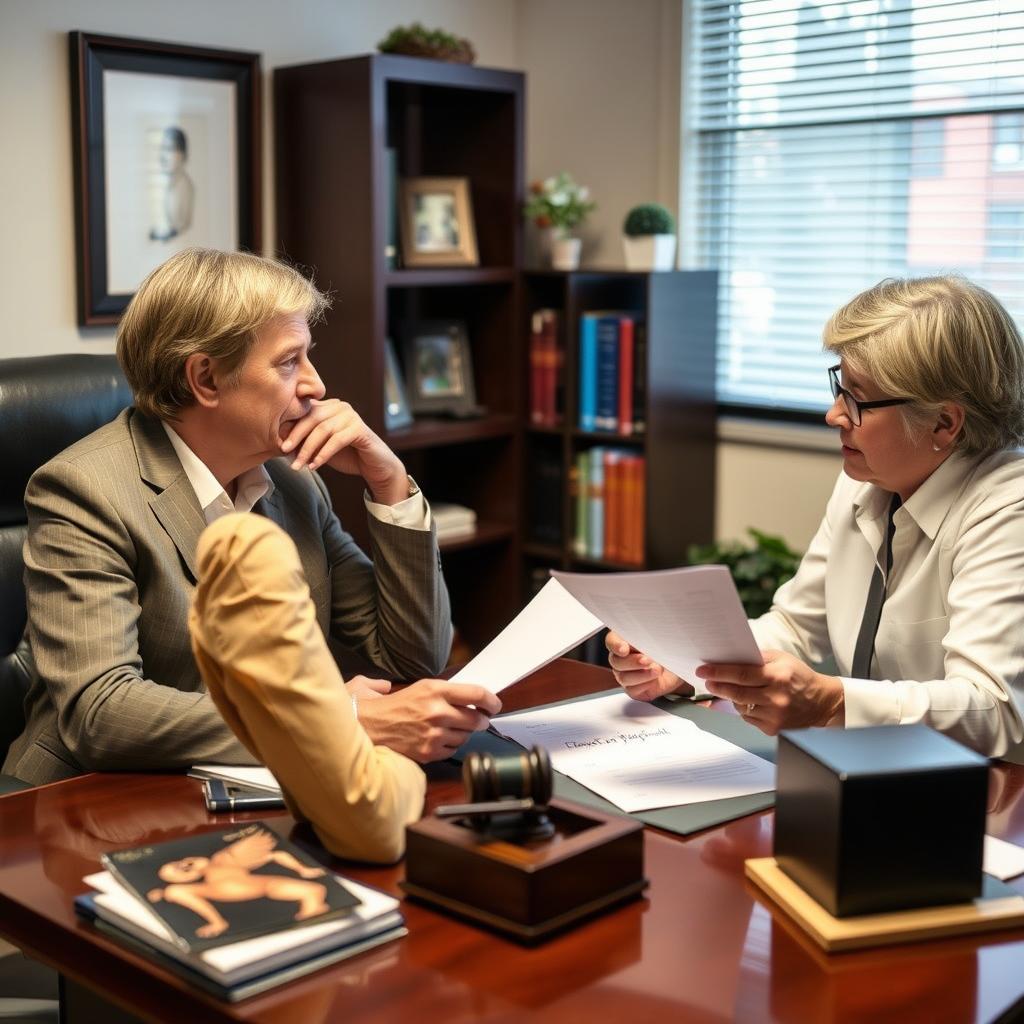
Permanent Alimony Lawyer Fauquier County, VA
When spousal support spans the length of a former marriage, the legal questions become deeply personal. In Fauquier County, Virginia, permanent alimony is addressed under Virginia Code § 20‑107.1, which directs the court to weigh thirteen statutory factors before ordering support that may continue indefinitely. The Fauquier County Circuit Court at 6 Court Street, Warrenton, Virginia, has exclusive jurisdiction over divorce actions including contested permanent alimony claims, while the Juvenile & Domestic Relations District Court handles temporary support and related enforcement matters. Mr. Sris and his Of Counsel concentrate part of their family law practice on representing clients throughout Fauquier County in these high‑stakes determinations. Reach Law Offices Of SRIS, P.C. at (888) 437‑7747 to schedule a consultation.
What Permanent Alimony Means in Fauquier County, Virginia
Permanent alimony—also referred to as indefinite spousal support—is a financial obligation from one former spouse to the other that does not have a preset termination date. In Virginia, it is not automatic. The Fauquier County Circuit Court evaluates the full picture of the marriage, including the duration of the union, the standard of living established during the marriage, each spouse’s earning capacity, and any contributions a spouse made as a homemaker. Because Virginia is an equitable distribution state, the same court that divides marital property also resolves spousal support in the divorce decree, applying the factors set out in Va. Code § 20‑107.1.
Fauquier County’s location in Northern Virginia—situated along I‑66 and Routes 29 and 17—means many families have commuter economics that affect income analysis. A spouse who left the workforce to manage a household or support a partner’s career may have a diminished earning trajectory, a central consideration in permanent support awards. Our firm routinely appears before the Circuit Court at 6 Court Street, Warrenton, advocating for clients in both the initial determination and any subsequent modification proceedings.
How Mr. Sris and His Of Counsel Handle Permanent Alimony Cases
Because permanent alimony can significantly alter both parties’ financial futures, the approach begins with a careful financial investigation. Mr. Sris and his Of Counsel work with clients to gather tax returns, earning statements, vocational assessments, and documentation of the marital lifestyle. Where necessary, they collaborate with forensic accountants and business valuation attorneys to present a complete financial picture to the Fauquier County Circuit Court.
Litigation is not the only path. Many permanent alimony disputes are resolved through negotiated marital settlement agreements. Virginia law allows spouses to agree on the duration and amount of support, and a well‑drafted Property Settlement Agreement can provide the certainty that an unpredictable court ruling may not. When agreement is not possible, Mr. Sris and his Of Counsel prepare for contested hearings, presenting evidence of the statutory factors and, where appropriate, seeking to demonstrate the recipient spouse’s need or the payor spouse’s ability to pay. Throughout the process, the firm stays focused on the long‑term financial implications of any support order.
About Mr. Sris and His Of Counsel Team
Mr. Sris, Owner and Founder of Law Offices Of SRIS, P.C., established the firm in 1997 and has built a practice spanning Virginia, Maryland, the District of Columbia, New Jersey, and New York. His legal work draws on a background as a former prosecutor and on extensive experience in family law matters. Mr. Sris testified before the Virginia House Courts of Justice Committee in support of 2019 HB 635 (chief patron Del. David Bulova), a bill that revised Virginia’s equitable distribution statute relating to retirement plan disbursements.
Mr. Sris and his Of Counsel bring extensive combined legal experience to family law cases, including contested permanent alimony proceedings. Results may vary. The firm’s Fairfax location serves clients throughout Fauquier County, with consultations available by appointment. Reach the firm at (888) 437‑7747.
Frequently Asked Questions
What is permanent alimony in Virginia?
Permanent alimony, often called indefinite spousal support, is a court‑ordered financial obligation from one former spouse to the other that continues without a predetermined expiration date. It is reserved for cases where the recipient spouse cannot achieve self‑sufficiency because of age, health, a long absence from the workforce, or other circumstances substantiated under the factors in Va. Code § 20‑107.1. In Fauquier County, such awards are made by the Circuit Court as part of a divorce decree.
How does a court decide whether to award permanent alimony in Virginia?
The court weighs thirteen statutory factors under Virginia Code § 20‑107.1, including each spouse’s age, physical and mental condition, the duration of the marriage, their respective earning capacities, and the standard of living established during the marriage. The court also considers the contributions each spouse made to the family’s well‑being, whether by earning income or by managing the household. In Fauquier County, the Circuit Court will hear testimony and review financial exhibits before making a determination tailored to the specific facts.
Can a permanent alimony order be modified in Fauquier County?
Yes, Virginia law allows modification of spousal support if there has been a material change in circumstances that was not reasonably foreseen at the time of the original order. A significant change in income, involuntary job loss, deterioration of health, or the recipient’s remarriage can all justify a modification petition. The petition is filed in the Fauquier County Circuit Court. Even an agreed‑upon modification should be documented in a court order to ensure enforceability.
What are the factors for spousal support in Virginia?
The thirteen factors listed in Va. Code § 20‑107.1 are the exclusive criteria Virginia courts consider when determining the type, amount, and duration of spousal support. They include the earning capacity, obligations, needs, and financial resources of each party; the duration of the marriage; the age and physical and mental condition of each party; the contributions each party made to the family’s well‑being; the standard of living established during the marriage; and the property interests of the parties. No single factor is dispositive.
Do I need a lawyer to pursue or defend against a permanent alimony claim in Fauquier County?
You are not legally required to hire a lawyer, but the financial stakes and procedural complexity of a permanent alimony proceeding make experienced representation advisable. A lawyer knows how to gather and present the financial documentation the Fauquier County Circuit Court requires, how to examine witnesses, and how to frame the statutory factors in a light favorable to your position. For guidance on your specific situation, reach Law Offices Of SRIS, P.C. at (888) 437-7747.
How do I find a permanent alimony lawyer in Fauquier County?
You can start by searching for attorneys who practice family law in Fauquier County and who have specific experience with spousal support litigation and settlement. Look for a firm that is familiar with the Fauquier County Circuit Court judges and local procedures. Consultations allow you to ask about the lawyer’s approach to permanent alimony cases and to discuss the factors in Va. Code § 20‑107.1 as they apply to your circumstances. To discuss the details of your matter, contact Law Offices Of SRIS, P.C. at (888) 437‑7747.
For additional reference, see Virginia Spousal Support Statute (Va. Code § 20‑107.1) and Fauquier County Circuit Court.
Attorney advertising. Prior results do not guarantee a similar outcome.
Results may vary.
Case results depend on a variety of factors unique to each case.