
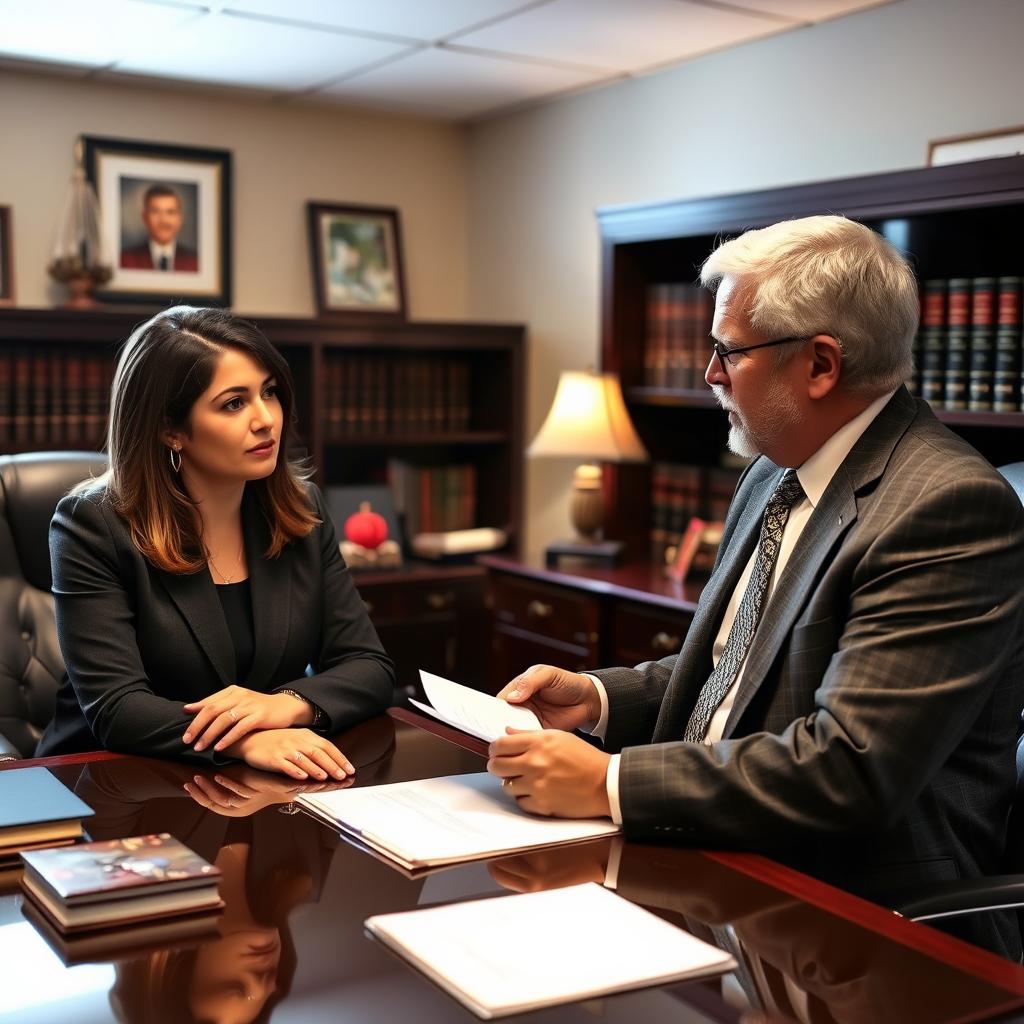
Paternity Rights Lawyer Rappahannock County, VA
Establishing legal paternity is essential for securing a child’s right to financial support, inheritance, and access to family medical history. In Virginia, paternity determines not only a father’s obligations but also his right to seek custody and visitation. For families in Rappahannock County, these matters are handled in the Rappahannock County Juvenile and Domestic Relations District Court, while related divorce or equitable distribution issues may be heard in the Rappahannock County Circuit Court. Mr. Sris and his Of Counsel at Law Offices Of SRIS, P.C. represent parents and children in paternity proceedings throughout the county, including the communities of Washington, Sperryville, and Flint Hill. Reach our firm at (888) 437-7747 to schedule a consultation and discuss how Virginia’s paternity laws apply to your situation. Law Offices Of SRIS, P.C. – Advocacy Without Borders.
What Paternity Rights Means in Rappahannock County, Virginia
Paternity is the legal determination of a child’s father. Under Virginia law, a child born to unmarried parents has no legal father until paternity is established, even if both parents agree on who the father is. Establishing paternity gives the child the same rights as a child born to married parents, including financial support, inheritance, and access to health insurance and other benefits. It also creates enforceable legal obligations for the father, such as paying child support and possibly contributing to medical and educational expenses.
In Rappahannock County, paternity cases are filed in the Juvenile and Domestic Relations District Court, which handles supporting obligations, custody, and visitation orders when the parents are not divorcing. If paternity is raised in a divorce or equitable distribution matter, the Rappahannock County Circuit Court has jurisdiction. Both courts are located at 250 Gay Street, Suite 1, Washington, Virginia 22747. Because Rappahannock County shares judges with the larger Twentieth Judicial District, local practitioners understand the procedural expectations of the bench and can help clients navigate scheduling and evidentiary requirements.
Virginia’s paternity laws are found in the Virginia Code, Title 20, beginning at Section 20‑49.1. The court may order genetic testing, accept a voluntary acknowledgment of paternity signed by both parents, or rely on other evidence. Once paternity is established, the court can address child support under the Virginia child support guidelines and determine custody and visitation based on the best interests of the child. Because every case involves unique family circumstances, the outcome depends on the specific facts presented to the court.
How Mr. Sris and His Of Counsel Handle Paternity Rights Cases
Mr. Sris and his Of Counsel take a straightforward, fact‑centered approach to paternity matters. They begin by reviewing the client’s situation—whether the client is a mother seeking to establish a father’s legal obligations, a father wanting to secure his parental rights, or a person contesting an allegation of paternity. They explain the applicable Virginia statutes, court procedures, and what the client can realistically expect.
When genetic testing is necessary, the team guides clients through the process, which may be ordered by the court or agreed upon voluntarily. In cases where paternity is undisputed, they assist with drafting and filing a voluntary acknowledgment of paternity or consent order to streamline the proceedings. If a dispute arises, Mr. Sris and his Of Counsel advocate in court, presenting evidence and cross‑examining witnesses. Throughout, they work to protect the child’s best interests while safeguarding the client’s rights and responsibilities. The timeline varies by case complexity and the court’s calendar, but clients are kept informed at every stage.
About Mr. Sris and His Of Counsel Team
Mr. Sris, Owner and Founder of Law Offices Of SRIS, P.C., has practiced law since 1997. A former prosecutor, he brings an in‑depth understanding of courtroom advocacy to family law matters, including paternity actions. He is admitted to practice in Virginia, Maryland, the District of Columbia, New Jersey, and New York. Mr. Sris is supported by Of Counsel attorneys who collectively contribute extensive litigation experience. Together, they serve clients across multiple jurisdictions, appearing in Rappahannock County courts from the firm’s Fairfax location.
Because every non‑Sris attorney at the firm serves as Of Counsel, the team structure is collaborative and flexible. Clients benefit from the collective knowledge of attorneys with diverse backgrounds, including former prosecutors, a former Virginia State Trooper, and experienced civil litigators. Mr. Sris and his Of Counsel oversees the firm’s family law practice, ensuring that each case receives focused attention aligned with Virginia’s procedural and substantive requirements.
Frequently Asked Questions About Paternity Rights in Rappahannock County
What is legal paternity?
Legal paternity is the official recognition of a man as a child’s father, creating rights and obligations under Virginia law. Without a legal determination, a biological father has no automatic right to custody or visitation, and the child has no right to support from him. Paternity can be established by voluntary acknowledgment, court order after genetic testing, or presumptions that arise in certain circumstances. Once established, it becomes a permanent part of the child’s legal identity unless successfully challenged.
Why is establishing paternity important?
Establishing paternity protects the child’s legal and financial interests while also securing the father’s ability to seek custody or visitation. A child with a legal father is eligible for child support, inheritance rights, health insurance coverage, Social Security benefits, and access to medical history. For the father, paternity is a prerequisite to petitioning the court for parenting time. In Virginia, paternity also ensures that both parents are subject to the court’s orders if a future custody or support dispute arises.
How is paternity established in Rappahannock County?
Paternity can be established through a voluntary acknowledgment signed by both parents and filed with the Virginia Department of Health, or through a court order after genetic testing. In Rappahannock County, the Juvenile and Domestic Relations District Court handles paternity petitions. If the mother, father, or the Virginia Department of Social Services files a petition, the court may order DNA testing. If testing confirms biological parentage, the court will enter an order legally recognizing the father. Once paternity is established, the court may simultaneously address child support, custody, and visitation.
Can paternity be challenged after it is established?
Yes, but only under limited circumstances and within specific time periods set by Virginia law. A man who previously acknowledged paternity or was adjudicated the father may seek to set aside the order if genetic testing later excludes him. The court evaluates whether the challenge is in the child’s best interests and whether fraud, duress, or mistake of fact was involved. Because the standards are strict, individuals considering a paternity challenge should promptly consult an experienced attorney to evaluate their options.
What rights does a father gain once paternity is established?
Once paternity is legally recognized, the father obtains the right to seek custody, visitation, and participation in major decisions affecting the child’s upbringing. He also assumes the obligation to provide financial support calculated under Virginia’s child support guidelines. The court can order a parenting plan that reflects the child’s best interests and may award joint or sole custody depending on the circumstances. The father can also enforce his rights if the other parent interferes with court‑ordered visitation.
Do I need a lawyer for a paternity case in Rappahannock County?
You are not required to hire an attorney to establish paternity, but legal representation helps ensure that your rights and the child’s interests are fully protected. Paternity proceedings involve important legal consequences—child support obligations, custody orders, and the father’s long‑term parental rights. An experienced lawyer can explain the process, handle court filings and genetic testing logistics, negotiate agreements, and advocate on your behalf at hearings. For guidance on your specific situation, reach Law Offices Of SRIS, P.C. at (888) 437-7747.
For family law issues in other Northern Virginia localities, see our pages on Fairfax County family law, Prince William County family law, Fairfax City family law, and Manassas City family law.
The Virginia Code Title 20, which governs paternity, child support, and family law matters, is published by the Virginia Law Library at https://law.lis.virginia.gov/vacode/title20/. General information about Virginia’s court system, including the Rappahannock County courts, is available at https://www.vacourts.gov/.
Attorney advertising. Prior results do not guarantee a similar outcome. Results may vary.
Case results depend on a variety of factors unique to each case.