
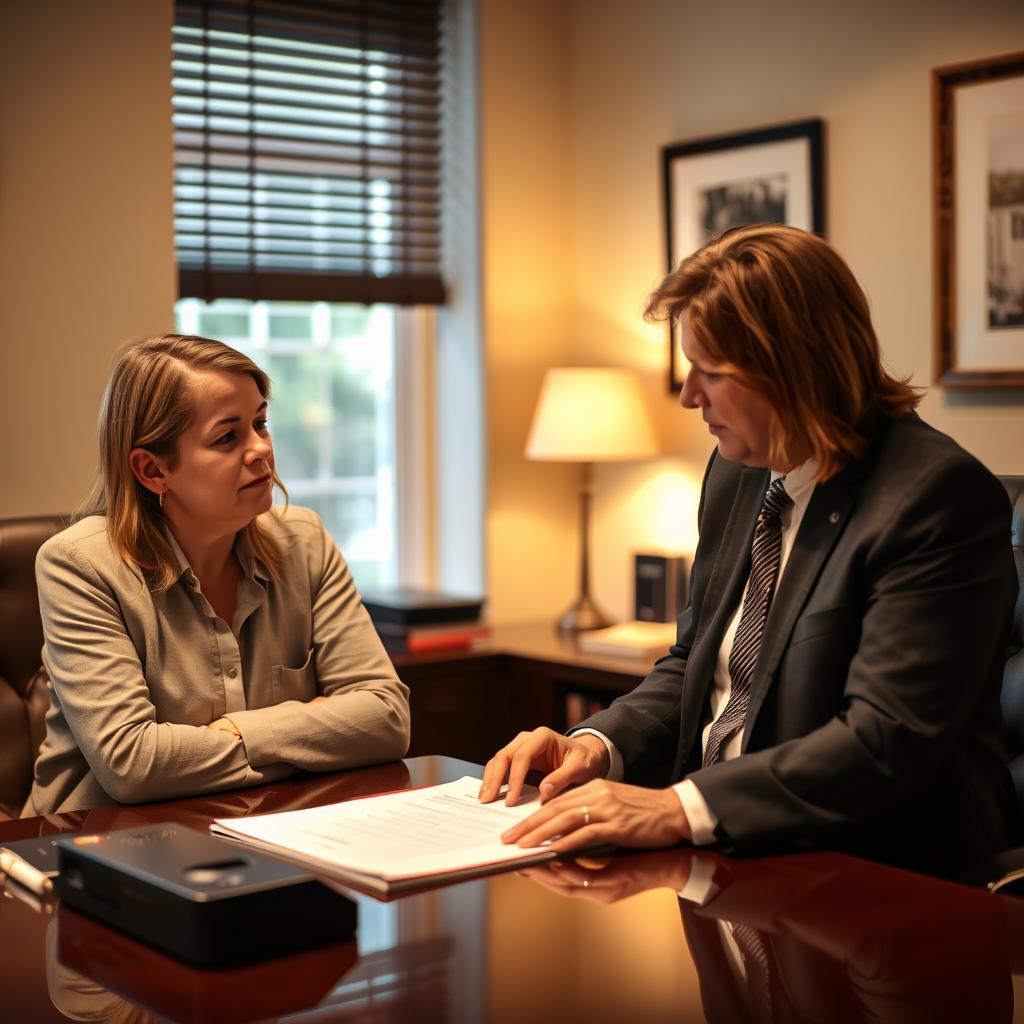
Paternity Rights Lawyer Louisa County, VA
Establishing paternity is a foundational step in securing parental rights, custody arrangements, and child support obligations under Virginia law. In Louisa County, the Juvenile and Domestic Relations District Court and the Circuit Court handle matters involving paternity determinations, and the process requires careful attention to statutory requirements found in Va. Code § 20‑49.1 and related provisions. When a child is born to unmarried parents, legal paternity is not automatic; it must be voluntarily acknowledged or adjudicated through the court. For fathers seeking a meaningful relationship with their child—and for mothers needing to formalize support—understanding how paternity law works in Louisa County is essential. Law Offices Of SRIS, P.C., practicing since 1997, provides experienced representation in paternity rights cases throughout Louisa County and across Virginia. Mr. Sris, the firm’s Owner and Founder, is a former prosecutor who understands how Virginia courts approach family law disputes. Reach our firm at (888) 437‑7747 to schedule a consultation about your paternity matter. Law Offices Of SRIS, P.C. – Advocacy Without Borders.
Understanding Paternity Rights in Louisa County, Virginia
Paternity law in Virginia centers on determining the legal father of a child. Once paternity is established, the father gains the right to seek custody or visitation, and the child gains rights to support, inheritance, and access to medical history. The legal framework is set out in the Virginia Code, and the specific procedures followed in Louisa County reflect the local court practices of the Sixteenth Judicial District. The Louisa County Juvenile and Domestic Relations District Court at 100 West Main Street often hears initial paternity petitions, while the Louisa County Circuit Court may become involved if paternity is raised in the context of a divorce or equitable distribution action.
In Virginia, paternity may be established voluntarily through an Acknowledgment of Paternity signed by both parents under Va. Code § 20‑49.1(B), or it may be ordered by a court after a hearing. When the parents disagree about paternity, the court can order genetic testing. Under Va. Code § 20‑49.1(C), a properly conducted genetic test that demonstrates a high probability of paternity creates a presumption that can be rebutted only by clear and convincing evidence. The test results carry significant weight, and the court’s ultimate decision rests on the best interests of the child. Because Louisa County court personnel and procedures may differ from those in Fairfax or Richmond, working with counsel familiar with local practice can help ensure that filings are correct and hearings are properly scheduled.
How Mr. Sris and His Of Counsel Handle Paternity Rights Cases
Paternity cases often involve multiple interconnected legal issues—custody, visitation, child support, and sometimes the child’s surname. Mr. Sris and his Of Counsel approach each case by first clarifying the client’s goals, whether that means establishing paternity to secure parenting time, challenging an erroneous claim, or formalizing a support obligation. The team reviews the existing evidence, including any prior acknowledgments, genetic test results, and communications between the parties, to build a clear factual record. They then prepare the appropriate petition for the Louisa County court and guide the client through each procedural step, from initial filing to final order.
If genetic testing is disputed, Mr. Sris and his Of Counsel explain the testing process and ensure that the court has a reliable chain of custody for any DNA samples. When both parties agree, they can work toward a negotiated paternity order that addresses custody and support in a single document, reducing the need for multiple court appearances. In contested matters, the team presents evidence, cross-examines witnesses, and argues the facts under Virginia’s statutory framework. Throughout the process, they emphasize practical solutions that serve the child’s welfare while protecting the client’s legal rights. Every Louisa County paternity matter is handled with attention to the local court’s expectations and the procedural requirements of the Sixteenth Judicial District.
About Mr. Sris and His Legal Team
Mr. Sris, Owner and Founder of Law Offices Of SRIS, P.C., launched the firm in 1997. As a former prosecutor, he gained insight into how evidence is evaluated and how courts resolve factual disputes—experience that directly benefits clients in paternity proceedings where the facts are often contested. He is admitted to practice in Virginia, Maryland, the District of Columbia, New Jersey, and New York, and he personally guides the firm’s family law practice. Mr. Sris testified before the Virginia House Courts of Justice Committee in support of 2019 HB 635 (chief patron Del. David Bulova), a legislative measure reflecting his engagement with Virginia’s domestic relations law.
Working alongside Mr. Sris are Of Counsel attorneys who contribute their own extensive backgrounds to the firm’s family law matters. One Of Counsel is a former Virginia State Trooper who understands evidence collection and chain-of-custody protocols—knowledge that can be valuable if a paternity case involves disputed genetic test procedures. Another Of Counsel, with over thirty years of trial experience, has handled complex child welfare and domestic relations cases in Virginia courts. Together, the team provides experienced, multi-state representation to clients in Louisa County and throughout Virginia. To discuss your paternity rights matter, contact the firm at (888) 437‑7747.
Frequently Asked Questions
What are paternity rights in Virginia?
A paternity right is the legal recognition of a man as the father of a child, which carries both rights and responsibilities under Virginia law. Once paternity is legally established—whether by voluntary acknowledgment, genetic testing, or court order—the father may petition for custody or visitation under Va. Code § 20‑124.2, and the child becomes entitled to financial support, inheritance, and access to the father’s medical history. In Louisa County, the Juvenile and Domestic Relations District Court has jurisdiction over paternity determinations when the parents are unmarried, and the court’s primary consideration in any subsequent custody or support proceeding is the best interests of the child.
How is paternity established in Louisa County, Virginia?
Paternity can be established by both parents signing an Acknowledgment of Paternity form, which is often completed at the hospital when the child is born or later at the Virginia Department of Social Services. If either party disputes paternity, a petition may be filed in the Louisa County Juvenile and Domestic Relations District Court, and the court can order genetic testing. Under Va. Code § 20‑49.1, a test showing a probability of paternity of 98 percent or higher creates a legal presumption of fatherhood. After the test results are received, the court holds a hearing and enters a paternity order if the evidence supports it.
Can an unmarried father get custody after paternity is established?
Yes, an unmarried father who has established legal paternity may seek custody or visitation in the Louisa County court. The court will determine a parenting arrangement based on the best interests of the child, using the ten factors listed in Va. Code § 20‑124.3. These factors include the child’s age, the relationship between the child and each parent, each parent’s willingness to support the child’s contact with the other parent, and any history of abuse. The father’s status as the legal parent places him on equal footing with the mother for purposes of custody consideration; the court does not automatically favor either parent.
Do I need a lawyer for a paternity case in Louisa County?
You are not required to hire a lawyer to bring or defend a paternity action, but having experienced counsel can be beneficial because paternity cases often intersect with custody, visitation, and child support—all of which carry long-term consequences. The procedural rules in Virginia’s courts can be complex, and a lawyer familiar with Louisa County’s local practices can help you present evidence effectively, meet filing deadlines, and avoid mistakes that might delay your case or affect the outcome. For guidance specific to your situation, reach Law Offices Of SRIS, P.C. at (888) 437‑7747.
What if the alleged father refuses to take a DNA test?
If the alleged father refuses to cooperate with court-ordered genetic testing, the court may draw an adverse inference against him and may enter a default paternity order based on the evidence presented by the mother. Virginia law permits the court to treat the refusal as evidence that the test result would not have been favorable to the refusing party. This can result in a paternity determination without direct genetic evidence. Because every case is fact-specific, consulting an attorney about the trusted strategy is advisable when a party is uncooperative.
How long does a paternity case take in Louisa County?
The time required to resolve a paternity case depends on the court’s docket, whether the parties agree or contest paternity, and the need for genetic testing. Uncontested cases may move relatively quickly, while contested matters that involve multiple hearings or court-ordered DNA analysis can take longer. The Louisa County Juvenile and Domestic Relations District Court schedules hearings based on its calendar and the availability of test results. Once a final order is entered, any subsequent custody or support modifications proceed under separate timelines.
Can paternity be established if the father lives in another state?
Yes, Virginia courts can establish paternity even when the alleged father resides outside Virginia, as long as the court has personal jurisdiction over him under Virginia’s long-arm statute or the Uniform Interstate Family Support Act. If the father cannot be personally served in Virginia, alternative service methods may be used. Because interstate paternity cases involve multiple state laws and procedural rules, working with a firm that practices in multiple jurisdictions can help ensure the matter is handled efficiently. Law Offices Of SRIS, P.C. has admitted attorneys in Virginia, Maryland, the District of Columbia, New Jersey, and New York.
What are the consequences of not establishing paternity?
If paternity is never legally established, the father has no enforceable right to custody or visitation, and the child has no legal right to support from him, inheritance, or access to his medical and family history. For the mother, the absence of a paternity order means she cannot obtain a child support order from that man. For these reasons, formalizing paternity is a critical step in protecting the child’s financial and emotional well‑being and securing the father’s parental role. In Louisa County, a parent or the Department of Social Services may initiate a paternity proceeding.
Is paternity different from legitimation in Virginia?
Yes, paternity is the determination of biological fatherhood, while legitimation refers to a legal process that confers the full legal status of a child born to married parents. In Virginia, legitimation is governed by Va. Code § 20‑31.1 and may require a separate court order even after paternity is established. Legitimation may affect inheritance rights in certain circumstances, and the procedures differ from a basic paternity action. An attorney can explain whether legitimation is necessary in your situation and how to pursue it.
For a consultation about your paternity rights matter in Louisa County, reach Law Offices Of SRIS, P.C. at (888) 437‑7747.
Other Virginia family law pages: Fairfax County Family Law | Prince William County Family Law | Manassas Family Law
Virginia family law resources: Virginia Code Title 20 (Domestic Relations) | Louisa County General District Court | Virginia Judicial System
Attorney advertising. Prior results do not guarantee a similar outcome. Results may vary.
Case results depend on a variety of factors unique to each case.