
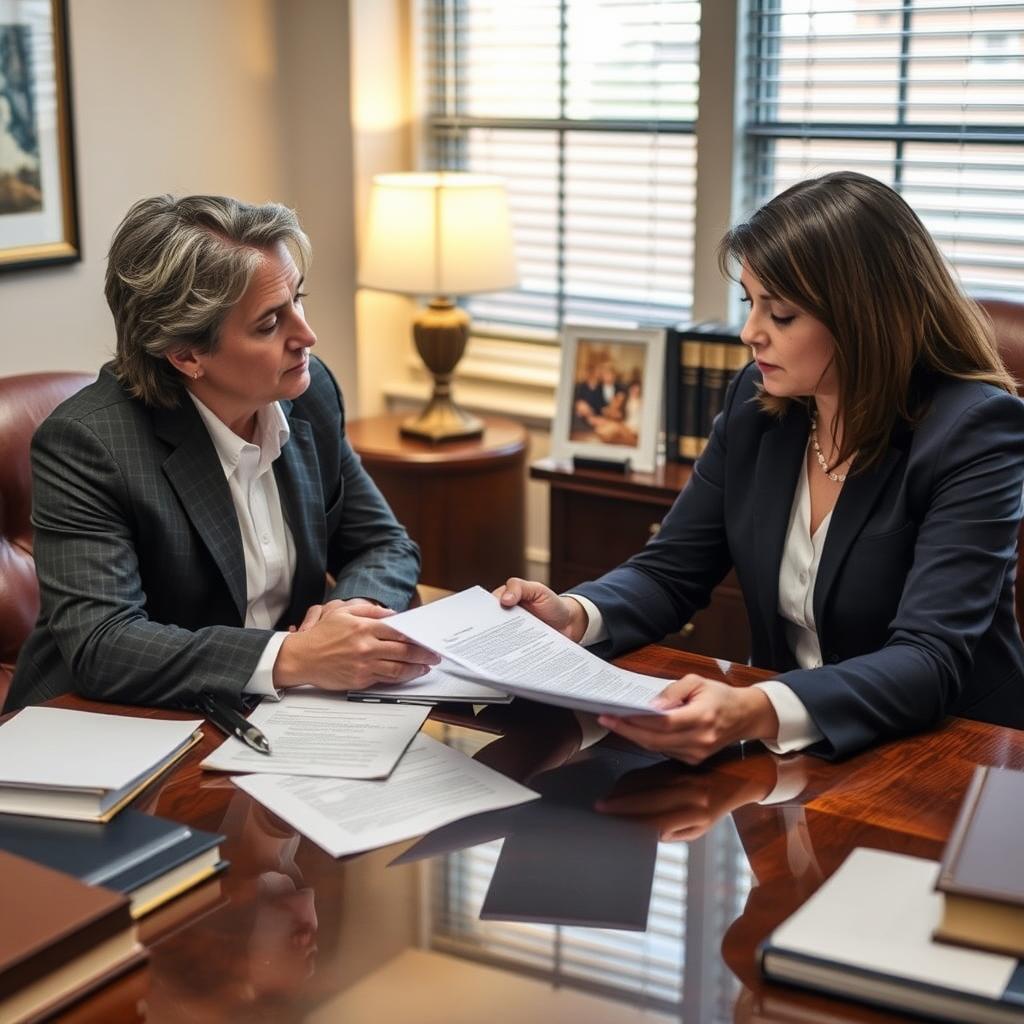
Felony Conviction Divorce Lawyer New Kent County, VA
Under Virginia law, a spouse’s felony conviction and imprisonment for more than one year is one of the fault grounds for an absolute divorce. If you are seeking a divorce in New Kent County based on a spouse’s felony conviction, you need experienced family law counsel who understands both the criminal sentencing context and the equitable distribution of marital property. Law Offices Of SRIS, P.C., founded in 1997, represents clients in divorce matters throughout New Kent County, including cases that involve felony-conviction fault grounds. Mr. Sris, a former prosecutor, and his Of Counsel team bring over 120 years of combined legal experience and 4,739+ documented firm-wide results to family law disputes that arise from a spouse’s incarceration and its financial and custodial consequences. Results may vary. Reach Law Offices Of SRIS, P.C. at (888) 437-7747 to request a consultation. Law Offices Of SRIS, P.C. — Advocacy Without Borders.
What a Felony Conviction Divorce Means in New Kent County
Virginia Code § 20-91 lists the grounds for divorce from the bond of matrimony. One of those fault grounds is that a spouse has been sentenced to confinement for more than one year after conviction of a felony. This provision allows the other spouse to file for divorce without waiting for the standard separation periods required in no‑fault cases. The divorce proceeding itself, however, remains a civil matter — the criminal conviction and sentence establish the ground, but the court must still resolve custody, support, and equitable distribution of marital assets. In New Kent County, all divorce actions, including those alleging a felony conviction ground, are filed in the New Kent County Circuit Court, which holds exclusive jurisdiction over divorce. The New Kent County Juvenile and Domestic Relations District Court may handle related custody and support matters, but the divorce decree issues only from the Circuit Court.
Because Virginia is an equitable distribution state under, the court divides marital property fairly but not necessarily equally, considering eleven statutory factors. A felony conviction can influence several of those factors — for example, the circumstances and factors that contributed to the dissolution of the marriage, the earning capacity of each party, and the custodial role each parent will be able to play. The presence of a felony sentence also raises practical questions about spousal support, child support, and the logistics of court proceedings when one spouse is incarcerated. An attorney experienced in handling these intersections can help identify how the conviction affects each component of the divorce.
How Mr. Sris and His Of Counsel Handle Felony Conviction Divorce Cases
Every felony-conviction divorce begins with a careful review of the criminal judgment and sentence order to confirm that the statutory requirement of “confinement for more than one year” is satisfied. Mr. Sris and his Of Counsel also examine whether the conviction is final and whether any appeals or post‑conviction relief proceedings may affect the ground. They then prepare and file the complaint for divorce in the New Kent County Circuit Court, using the verified judgment of conviction as the primary evidence. Because the incarcerated spouse may be served with process in a correctional facility, the firm handles service logistics in compliance with Virginia procedural rules and the scheduling demands of the court.
Beyond the fault ground, the divorce case requires resolving property division, spousal support, and, where minor children are involved, custody and child support. Mr. Sris and his Of Counsel work to identify and value all marital assets, including retirement accounts, real estate, and business interests, and to present the court with a fair equitable distribution proposal. Pendente lite hearings can address immediate support needs and the use of the marital home during the proceedings. Throughout the case, the firm’s family law practice concentrates on practical solutions that account for the incarcerated spouse’s limited ability to participate and the long‑term financial implications for both parties.
About Mr. Sris and His Of Counsel Team
Mr. Sris, Owner and Founder of Law Offices Of SRIS, P.C., is a former prosecutor who brings his criminal‑courtroom experience to family law cases that intersect with felony convictions. Admitted to practice in Virginia, Maryland, the District of Columbia, New Jersey, and New York, he has represented clients in a wide range of family law matters since founding the firm in 1997. Mr. Sris testified before the Virginia House Courts of Justice Committee in support of 2019 HB 635 (chief patron Del. David Bulova), which amended the equitable distribution provisions. His understanding of both criminal and family court procedures is an important asset when the ground for divorce is a spouse’s felony imprisonment.
Mr. Sris is supported by his Of Counsel team. Together, Mr. Sris and his Of Counsel bring over 120 years of combined legal experience and 4,739+ documented firm-wide results to every matter the firm handles. Results may vary. The firm’s collaborative approach allows the team to address the criminal record, property classification, support calculations, and custody analysis that a felony‑conviction divorce requires, all while keeping the client informed at each stage.
Frequently Asked Questions
What is a felony conviction divorce in Virginia?
A felony conviction divorce is a fault‑based divorce ground under Va. Code § 20‑91 that requires no waiting period. If one spouse has been sentenced to confinement for more than one year after conviction of a felony, the other spouse may file for divorce immediately without any separation period. The divorce remains a civil proceeding, and the court must still divide marital property equitably, determine support, and address child custody. In New Kent County, the Circuit Court hears all divorce cases, while related custody and support petitions may be filed in the Juvenile and Domestic Relations District Court.
What grounds for divorce does Virginia recognize?
Virginia allows both fault and no‑fault grounds for divorce under Va. Code § 20‑91. Fault grounds include adultery, cruelty, willful desertion for one year, and sentencing to confinement for more than one year after a felony conviction. No‑fault divorce is available after a separation of six months if there are no minor children and the parties have a signed separation agreement, or after one year of separation in other cases. A felony conviction thus eliminates any waiting period that a no‑fault case would require.
How does a felony conviction affect divorce proceedings in New Kent County?
A felony conviction primarily affects the ground for divorce, property division, spousal support, and custody arrangements. Because the conviction establishes a fault ground, the court may consider the circumstances of the offense when determining equitable distribution under. The incarcerated spouse’s reduced income and limited ability to provide child care or direct parenting time can influence support calculations and custody plans. The New Kent County Circuit Court evaluates all factors under the trusted‑interest‑of‑the‑child standard for custody. The firm’s family law attorneys examine how a felony conviction intersects with each of these statutory factors.
Do I need a lawyer for a divorce involving a felony conviction in New Kent County?
While you are not legally required to hire a lawyer, a felony‑conviction divorce introduces procedural and evidentiary questions that benefit from experienced family law counsel. An attorney can confirm that the criminal sentence meets the statutory ground, properly serve an incarcerated spouse, and ensure the equitable distribution analysis accounts for the unique financial picture. Mr. Sris and his Of Counsel team handle these intersections in New Kent County, working to advance the client’s interests while navigating the practical constraints of an incarcerated party.
What should I do if my spouse has been convicted of a felony and I want a divorce?
You should gather the final criminal judgment and sentencing order, and then consult a family law attorney who is familiar with the New Kent County Circuit Court. Because a felony conviction ground does not require a separation period, you may be able to proceed more quickly than in a no‑fault case, but the property and support issues still require careful preparation. Contact Law Offices Of SRIS, P.C. at (888) 437-7747 to discuss your situation and learn how Mr. Sris and his Of Counsel can assist.
Attorney advertising. Prior results do not guarantee a similar outcome.
Results may vary.
Case results depend on a variety of factors unique to each case.