
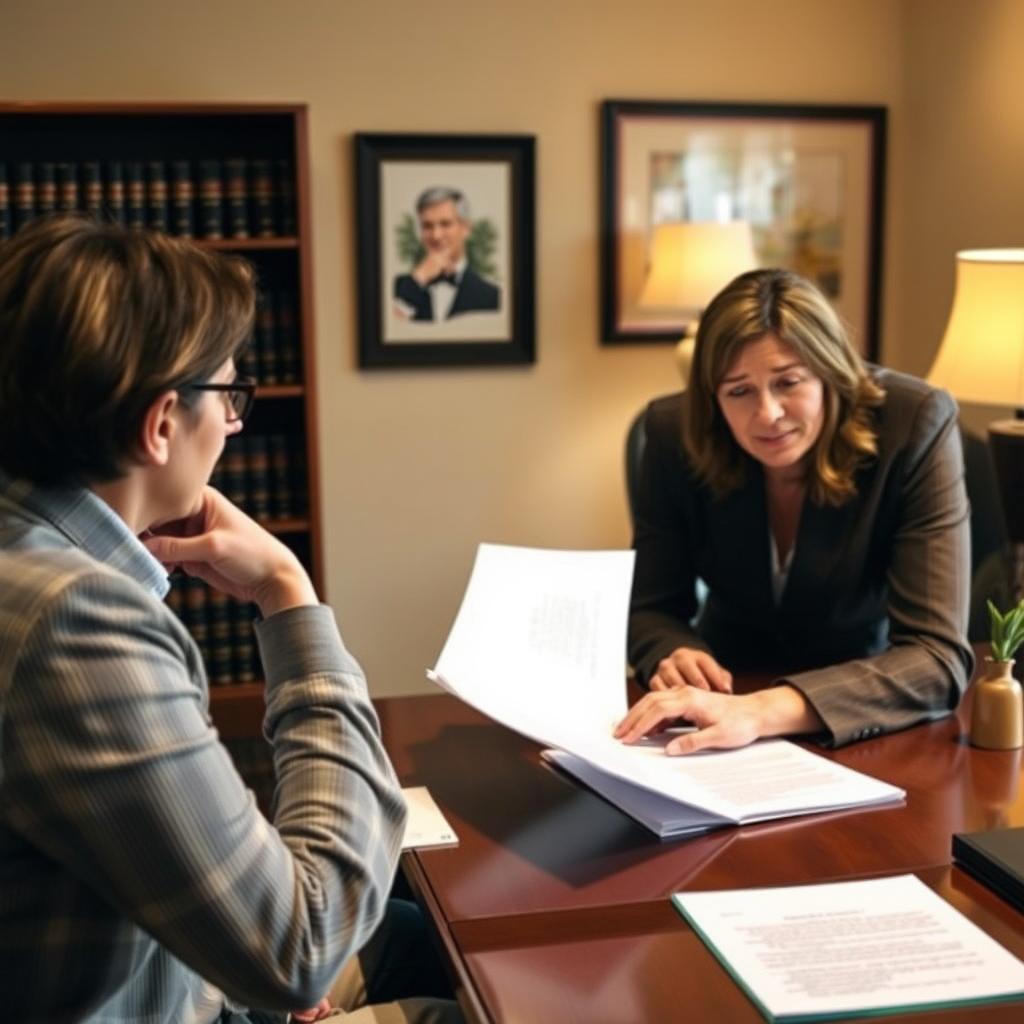
Fault Based Divorce Lawyer Rappahannock County, VA
When you uncover evidence of your spouse’s adultery or cruelty, the emotional shock is only the beginning. In Rappahannock County, Virginia, choosing to file a fault-based divorce under Va. Code § 20‑91 can fundamentally alter property division, spousal support, and even custody preferences. At Law Offices Of SRIS, P.C., Mr. Sris and his Of Counsel team represent clients who need to present fault grounds before the Rappahannock County Circuit Court. Call (888) 437‑7747 to request a consultation. Law Offices Of SRIS, P.C. — Advocacy Without Borders.
Why Fault Grounds Matter in a Rappahannock County Divorce
Filing on fault grounds is more than an emotional statement. Under Virginia’s equitable‑distribution statute, the court considers circumstances that contributed to the dissolution of the marriage when dividing marital property. Adultery, cruelty, desertion, or a felony conviction can be weighed against the at‑fault party—potentially resulting in a distribution that deviates from an equal split. Mr. Sris, a former prosecutor who founded the firm in 1997, understands how to present fault evidence persuasively while protecting your interests.
If you discover that your spouse has committed adultery, for instance, you are not required to wait through a separation period before filing. That immediate right to seek divorce can affect negotiation dynamics and temporary support. The same fault conduct often becomes a factor in spousal support determinations under Va. Code § 20‑107.1 [Added to Registry]. Rappahannock County Circuit Court, located at 250 Gay Street, Suite 1, Washington, VA 22747, hears all divorce and equitable‑distribution matters; Mr. Sris and his Of Counsel appear regularly in that court.
What to Expect When You File in Rappahannock County
After you decide to move forward, your complaint for divorce is filed with the Rappahannock County Circuit Court. A filing fee of approximately $86 and sheriff’s service of process (around $12) are typical start‑up costs. Once your spouse is served, the court sets a timeline that depends on whether the case is contested. When both parties sign a property settlement agreement and the divorce is uncontested, a final decree can be entered in 2‑4 months from filing. Contested fault‑based divorces commonly take 9‑18 months, while matters involving business valuations or retirement assets can extend longer. Every timeline is subject to the court’s calendar.
The court may also enter pendente lite orders for temporary support and custody early in the proceeding. If minor children are involved, the Rappahannock County Juvenile and Domestic Relations District Court addresses custody, visitation, and support outside the divorce action, though the Circuit Court retains authority when those issues are part of the divorce.
How Fault Affects Divorce Outcomes
A fault ground does not automatically shut out the other spouse from receiving property or support. Instead, it becomes one of the factors the judge weighs. When adultery is proved, for example, the court closely reviews whether marital funds were dissipated to support the affair—an expenditure that can be charged against that spouse’s share. Similarly, cruelty or desertion may influence which parent receives primary physical custody if the behavior impacted the children. Mr. Sris and his Of Counsel work to document the fault conduct and link it to the financial and custody consequences the court should recognize. Every case is unique; Results may vary.
Experience on Your Side
Mr. Sris, Owner and Founder of Law Offices Of SRIS, P.C., has practiced family law in Virginia since 1997. As a former prosecutor, he brings trial‑tested advocacy to fault‑based divorce proceedings. He testified before the Virginia House Courts of Justice Committee in support of 2019 HB 635 (chief patron Del. David Bulova). Mr. Sris is joined by a team of Of Counsel attorneys who collectively bring over 120 years of combined legal experience, with 4,739+ documented firm-wide results. Results may vary. Together, they have documented 40 case results in Rappahannock County across all practice areas.
Frequently Asked Questions About Fault‑Based Divorce in Rappahannock County
What are the fault grounds for divorce in Virginia?
Virginia recognizes four fault grounds: adultery, cruelty, desertion for one year, and felony conviction with imprisonment of more than one year. Under Va. Code § 20‑91, if you can prove one of these, you may file immediately without a mandatory separation period. Adultery, for example, requires no waiting time, while cruelty and desertion each have their own evidentiary hurdles. A fault ground can affect property distribution and spousal support. For specific advice, contact Law Offices Of SRIS, P.C. at (888) 437‑7747.
How does adultery affect my Rappahannock County divorce?
Adultery, if proven, may eliminate a waiting period and can influence property division and spousal support. In Rappahannock County Circuit Court, evidence of adultery can rebut a spouse’s request for permanent support, and the court may weigh the misconduct when distributing marital assets. However, mere suspicion is not enough; corroborated evidence is typically required. Mr. Sris and his Of Counsel evaluate whether you have admissible proof and how to present it effectively.
What is the difference between fault and no‑fault divorce?
A no‑fault divorce requires a separation period (six months with an agreement and no minor children, otherwise one year), while a fault‑based divorce can be filed immediately. The grounds you choose affect the timeline, the burden of proof, and potentially the financial outcome. If fault cannot be proven, a no‑fault approach may still be appropriate, and Mr. Sris can discuss which path fits your circumstances.
How long does a fault‑based divorce take in Rappahannock County?
An uncontested fault‑based divorce with a signed separation agreement can be finalized in 2‑4 months; contested cases often take 9‑18 months. The timeline depends on whether your spouse disputes the fault allegations, the availability of court dates at 250 Gay Street, and the complexity of asset division. Complex estates with business valuations may extend the process. The court’s calendar ultimately controls the schedule.
How much does a fault‑based divorce cost in Rappahannock County?
Initial filing fees are approximately $86, plus service costs, but the total expense turns on whether the case is contested. A private process server may charge $50‑$100, and if a guardian ad litem is appointed for custody, fees can range from $500 to $2,500 or more. Mediation, if used, runs $100‑$300 per hour per party. Attorney fees vary by case complexity. For an estimate, contact Law Offices Of SRIS, P.C. at (888) 437‑7747.
Is Virginia a community property state?
No, Virginia uses equitable distribution, meaning marital property is divided fairly but not necessarily 50‑50. Under Va. Code § 20‑107.3, the Rappahannock County Circuit Court considers 11 factors, including each spouse’s contributions, the duration of the marriage, and any fault. Separate property owned before the marriage or received by gift or inheritance typically remains with the owner.
Can I get spousal support if my spouse was at fault?
Fault can be a factor in a spousal support award, but it is not the sole determinant. The court examines the 13 statutory factors under Va. Code § 20‑107.1 [Added to Registry], including the fault that caused the marriage to end. Adultery, for example, may bar a finding that the innocent spouse needs support and can reduce or eliminate an award to the at‑fault spouse. Each situation is assessed individually.
Do I need a lawyer for a fault‑based divorce?
While you are not legally required to have an attorney, proving fault grounds and protecting your financial interests is considerably more complex than an uncontested no‑fault divorce. Procedural rules, evidentiary requirements, and the potential impact on custody and property make legal representation advisable. To discuss your situation, call Law Offices Of SRIS, P.C. at (888) 437‑7747.
For a full statutory breakdown, see our comprehensive analysis at Law Offices Of SRIS, P.C.
Request a Consultation
Fault‑based divorce litigation in Rappahannock County demands careful preparation and a clear understanding of how Virginia law treats marital misconduct. Mr. Sris and his Of Counsel team are available to review your case. Call (888) 437‑7747 or use our online form to schedule a confidential consultation at our Fairfax location, 4008 Williamsburg Court, Fairfax, VA 22032. By appointment only.
Law Offices Of SRIS, P.C.
Fairfax Location (by appointment)
4008 Williamsburg Court
Fairfax, VA 22032
(888) 437‑7747
Attorney advertising. Prior results do not guarantee a similar outcome. Results may vary.
Case results depend on a variety of factors unique to each case.