
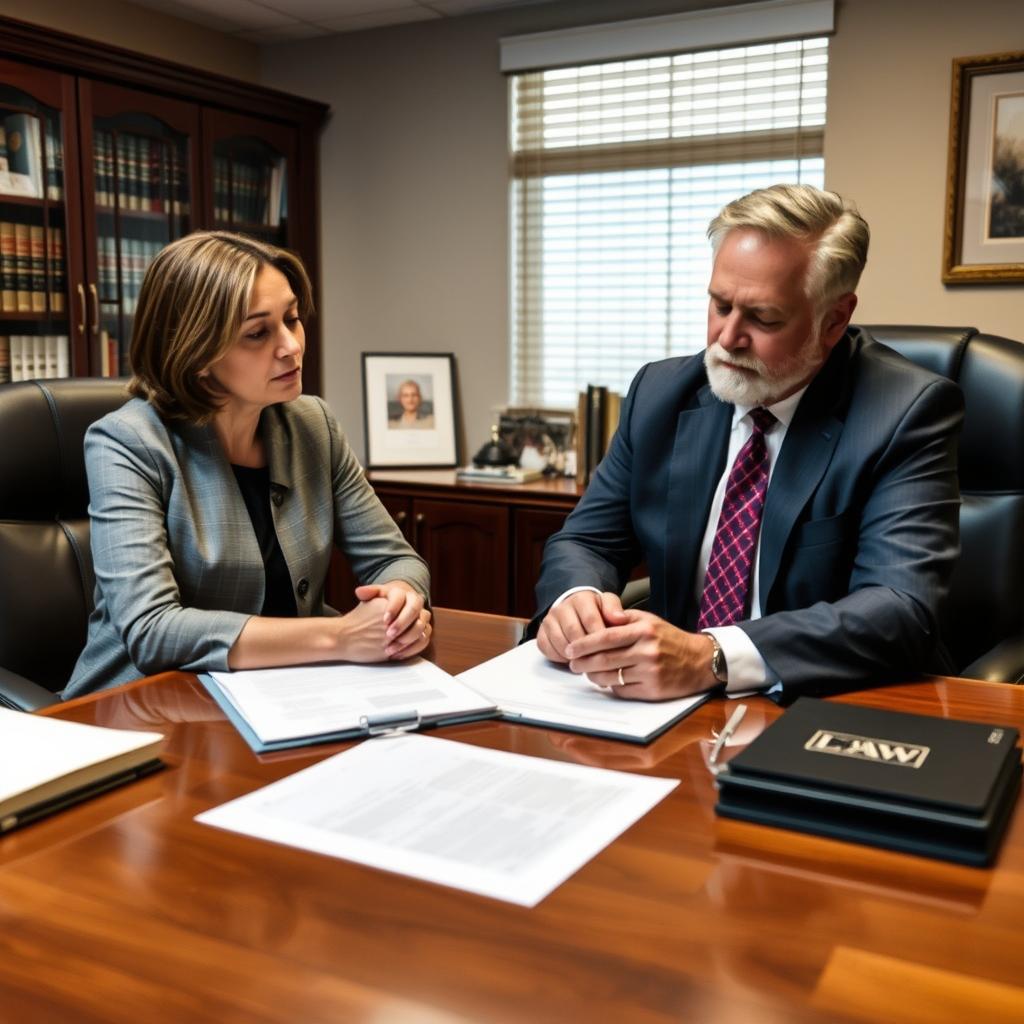
Real Estate Attorney Fairfax VA
Real estate transactions in Fairfax, Virginia, involve significant financial and legal commitments. Whether you are buying a home, selling commercial property, resolving a boundary line conflict, or addressing a title issue, the process can quickly become complex. Law Offices Of SRIS, P.C., founded in 1997, has represented clients in Fairfax and across Virginia, Maryland, the District of Columbia, New Jersey, and New York. Mr. Sris, Owner and Founder, and the firm’s Of Counsel attorneys bring extensive combined legal experience to property transactions, contract negotiations, and litigation when disputes arise. For a consultation, reach Law Offices Of SRIS, P.C. at (888) 437-7747. Law Offices Of SRIS, P.C. – Advocacy Without Borders.
What Real Estate Representation Means in Fairfax
Fairfax County’s real estate market is shaped by its proximity to Washington, D.C., a diverse housing stock, and active commercial development. Transactions commonly involve single-family homes, condominiums governed by homeowners’ associations, and mixed-use properties. For clients, understanding the legal framework—from the purchase agreement to the closing—is essential.
Real estate matters in Fairfax are heard in the Fairfax County Circuit Court, which handles disputes over property lines, quiet title actions, partition suits, and breaches of contract. Residential closings are often conducted by settlement agents, but when title defects, lien priority issues, or earnest money conflicts arise, counsel with experience in Virginia property law can help protect your interests. Mr. Sris and the firm’s Of Counsel attorneys are familiar with the local recording requirements of the Fairfax Circuit Court Clerk’s Office and the procedural steps necessary to enforce or defend a real estate claim.
The firm represents buyers, sellers, investors, and lenders in transactions and litigation throughout Fairfax County, including the areas of Tysons, Reston, Centreville, and the City of Fairfax. While many transactions proceed smoothly, when a dispute surfaces, working with counsel who understands the court’s expectations and the governing statutes under Title 55.1 of the Virginia Code becomes important.
How Mr. Sris and the Firm’s Of Counsel Attorneys Handle Real Estate Cases
Mr. Sris and the firm’s Of Counsel attorneys take a practical approach to real estate matters. They start by reviewing the contract, title commitment, survey, and any other relevant documents to understand the legal and factual issues. For transactional representation, this means identifying potential red flags—such as restrictive covenants, easement uncertainties, or unresolved mechanic’s liens—before they become problems at settlement. For litigation, it means developing a clear theory of the case based on the record and the applicable Virginia statute.
The firm’s representation includes drafting and negotiating purchase agreements, reviewing lease contracts, addressing title curative measures, and pursuing or defending civil actions for specific performance, fraud, or breach of fiduciary duty. Each case is evaluated on its own facts, and the firm works to achieve a resolution consistent with the client’s objectives, whether through negotiation, mediation, or court proceedings. Timelines and outcomes depend on the specific issues involved and the court’s docket.
About Mr. Sris and the Firm’s Of Counsel Attorneys
Mr. Sris, Owner and Founder of Law Offices Of SRIS, P.C., is admitted to practice in Virginia, Maryland, the District of Columbia, New Jersey, and New York. A former prosecutor, Mr. Sris testified before the Virginia House Courts of Justice Committee in support of 2019 HB 635 (chief patron Del. David Bulova). He founded the firm in 1997 and has guided its growth to a multi-state practice.
The firm’s Of Counsel attorneys bring additional experience in transactional and litigation matters. They work alongside Mr. Sris to prepare contracts, examine title issues, and appear in Fairfax County courts. Mr. Sris and the firm’s Of Counsel attorneys have handled matters across multiple practice areas since 1997. Results may vary.
Frequently Asked Questions
Do I need a real estate attorney when buying a home in Fairfax?
Virginia does not require you to hire an attorney to close on a home, but attorney review can identify contractual or title issues before they become costly disputes. In Fairfax, a settlement agent typically handles the closing paperwork, yet an attorney can negotiate contract terms, review the title commitment for defects, and explain your legal obligations. For first-time buyers or those purchasing new construction, having an attorney review the builder’s contract often prevents misunderstandings over completion dates, upgrade allowances, and warranty provisions.
What are common real estate disputes in Fairfax County?
Common disputes involve boundary lines, easements, adverse possession, breach of a purchase contract, and enforcement of seller disclosure obligations. Neighbor conflicts over fences or tree removal frequently stem from a mistaken understanding of where a property line runs, and a survey coupled with a quiet title action can resolve the issue. Purchase-agreement fallouts over the delivery of possession or the condition of the property can lead to earnest-money disputes and claims for specific performance. Each matter turns on the specific facts and the wording of the governing instruments.
How does a quiet title action work in Fairfax?
A quiet title action asks the Fairfax County Circuit Court to determine who holds legal title to a parcel of real estate and to remove any competing claims. The action is filed as a Complaint under Virginia law. The plaintiff must name all persons who might assert an interest in the property—such as previous owners, lienholders, or unknown heirs—and serve them with process. The court then examines the chain of title and any evidence of adverse possession or prescriptive easements and issues an order declaring the valid ownership interest. The timeline depends on the court’s calendar and the extent of the competing claims.
What is the difference between a title review and a survey?
A title review examines the legal chain of ownership and any recorded liens or encumbrances, while a survey physically measures the land and maps its boundaries, improvements, and easements. Both are essential for most real estate purchases. A title review reveals mortgage liens, judgment liens, or restrictions that affect your ownership rights. A survey confirms whether the property description in the deed matches what is on the ground. In Fairfax, where older subdivisions and metes-and-bounds descriptions can create uncertainty, ordering a current survey is often a sound practice.
When should I contact a real estate attorney about a landlord-tenant issue in Fairfax?
Contact an attorney when you face eviction, a dispute over the security deposit, an alleged breach of the lease, or unsafe living conditions that the landlord has not repaired. Virginia’s landlord-tenant laws set forth specific procedures for notice, cure periods, and court filings. A landlord who attempts a self-help eviction—such as changing the locks or shutting off utilities—may be liable for unlawful eviction. Whether you are a tenant seeking to enforce a repair obligation or a landlord needing to regain possession, legal guidance helps you comply with statutory requirements and avoid counterclaims.
How can I reach Law Offices Of SRIS, P.C. to discuss a Fairfax real estate matter?
You can reach Law Offices Of SRIS, P.C. at (888) 437-7747 to request a consultation regarding your real estate question. The firm’s Fairfax location serves clients throughout Fairfax County. Staff members are available to take your call and collect initial information so that Mr. Sris and the firm’s Of Counsel attorneys can review your situation. For a consultation, reach Mr. Sris and the firm’s Of Counsel attorneys at (888) 437-7747.
Virginia real estate practice • Fairfax real estate closings • Real estate contract disputes • Fairfax landlord-tenant lawyer • Fairfax boundary disputes
Virginia Code Title 55.1 – Property and Conveyances • Virginia Judicial System • Fairfax County Circuit Court
Attorney advertising. Prior results do not guarantee a similar outcome.
Results may vary.
Last reviewed: July 2026
Case results depend on a variety of factors unique to each case.