
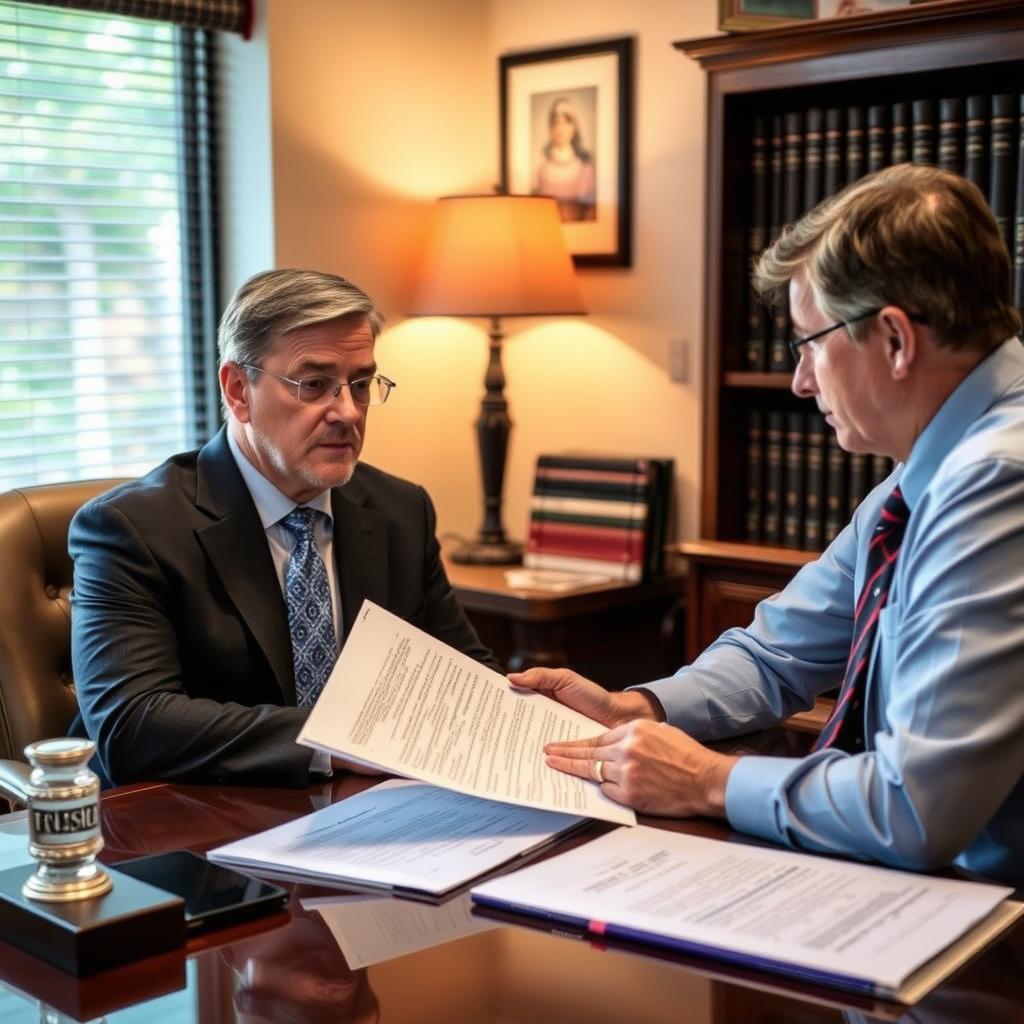
Divorce Lawyer Fairfax
Divorce is a significant legal transition, and choosing the right representation matters. Law Offices Of SRIS, P.C. Concentrates on guiding Fairfax-area clients through the Virginia divorce process, from the initial filing in the Fairfax County Circuit Court to the resolution of support, property, and parental arrangements. Mr. Sris and the firm’s Of Counsel attorneys bring extensive combined legal experience to family law matters. Whether a case involves a contested custody dispute or a straightforward uncontested dissolution, the firm works toward shaping a clear, practical path forward. Reach Law Offices Of SRIS, P.C. at (888) 437-7747 to schedule a confidential consultation and discuss your situation. Law Offices Of SRIS, P.C. – Advocacy Without Borders.
What Divorce Means in Fairfax, Virginia
In Virginia, a marriage ends by court decree after a party files a Complaint in the circuit court of the city or county where the spouses last cohabited. Fairfax County Circuit Court — one of the state’s largest trial courts — hears divorce matters arising within Fairfax City, Falls Church, and the surrounding county communities. The court applies Title 20 of the Virginia Code, which governs annulment, divorce, and related relief.
Virginia law recognizes both fault-based and no‑fault grounds. Fault grounds may include adultery, cruelty, or desertion, and they allow a court to grant a divorce without a waiting period. A no‑fault divorce becomes available after the parties have lived separate and apart for the period specified by statute, provided they meet all other requirements. Equitable distribution, not automatic equal division, governs how marital property and debt are assigned; the court examines the statutory factors to reach a fair result. Spousal support, parental decision-making authority, and parenting time are determined according to the best interests of any children involved and the respective financial circumstances of the spouses. Because no two cases unfold identically, Mr. Sris and the firm’s Of Counsel attorneys evaluate each matter individually before recommending a legal strategy.
How Mr. Sris and the Firm’s Of Counsel Attorneys Handle Divorce Cases
Every divorce engagement begins with a consultation during which the attorney listens to the client’s objectives, identifies the key legal issues, and explains the likely procedural steps. In Fairfax County, the process starts with the preparation and filing of a Complaint that states the jurisdictional facts and the relief requested. The opposing party must be served, and strict time limits govern the response.
After the pleadings close, the case enters the discovery phase, where financial records, appraisals, and other evidence are exchanged. Mr. Sris and the firm’s Of Counsel attorneys work with financial professionals, custody evaluators, and other attorneys when the case requires additional analysis. Many divorces resolve through a written property settlement agreement and a final hearing at which the judge reviews the agreement for fairness. If settlement is not possible, the firm prepares the matter for trial by marshaling the evidence and presenting it effectively in court. Throughout the case, the attorney keeps the client informed of developments and provides candid guidance about the strengths and weaknesses of each position.
About Mr. Sris and the Firm’s Of Counsel Attorneys
Mr. Sris, Owner and Founder of Law Offices Of SRIS, P.C., is a former prosecutor who has practiced in Virginia, Maryland, the District of Columbia, New Jersey, and New York since the firm was founded in 1997. He testified before the Virginia House Courts of Justice Committee in support of 2019 HB 635 (chief patron Del. David Bulova). Mr. Sris concentrates his practice on family law, civil litigation, and criminal defense, drawing on extensive courtroom experience to represent clients in Fairfax and throughout Northern Virginia.
The firm’s Of Counsel attorneys contribute deep practical knowledge across multiple legal areas. Together, Mr. Sris and the firm’s Of Counsel attorneys bring extensive combined legal experience to divorce matters. The team works collectively on strategy and case preparation, allowing clients to benefit from a multi-perspective approach. Results may vary.
Frequently Asked Questions
How do I start a divorce in Fairfax County?
A divorce in Fairfax County begins when one spouse files a Complaint for Divorce with the Fairfax County Circuit Court and properly serves the other spouse. The Complaint must set forth the grounds for divorce, the residency requirements, and the relief being sought, such as property division, support, or custody. After service, the responding party has a statutory period to file an answer. Many procedural and substantive issues can arise at this stage, so working with an experienced family-law attorney helps ensure the initial pleadings are complete and compliant with Virginia law. For further guidance, contact Law Offices Of SRIS, P.C. at (888) 437-7747.
What are the grounds for divorce in Virginia?
Virginia permits both fault‑based grounds — such as adultery, cruelty, and desertion — and no‑fault divorce based on a period of continuous separation. If the parties have no minor children and have a signed separation agreement, the separation period is shorter under the statute. For couples with minor children or no written agreement, a longer separation is required. Fault‑based divorces do not require a separation period, but the moving party must prove the fault ground to the court’s satisfaction. Determining which ground is appropriate depends on the specific facts of the marriage and the evidence available.
Do I need a divorce lawyer in Fairfax?
Virginia law does not require you to hire a lawyer to obtain a divorce, but having representation helps you navigate complex court procedures, protect your financial interests, and secure an enforceable parenting plan. Even in an uncontested divorce, drafting a thorough property settlement agreement and understanding the implications of each clause can be challenging without legal training. When children or significant assets are involved, the stakes are high enough that competent legal guidance is advisable. A lawyer can also negotiate on your behalf, reducing the emotional strain of direct confrontation.
How is property divided in a Virginia divorce?
Virginia follows the equitable distribution model, meaning the court divides marital property fairly, but not necessarily equally. The judge classifies assets as separate, marital, or hybrid, then weighs statutory factors such as each spouse’s contributions to the marriage, the length of the marriage, and the economic circumstances of each party. Separate property — generally assets acquired before the marriage or received as a gift or inheritance — remains with the owning spouse. The division of retirement accounts, real estate, and business interests often requires valuation by financial professionals.
Can I get spousal support in Fairfax, Virginia?
Spousal support, also called maintenance, may be awarded when one spouse needs financial assistance and the other has the ability to pay. The court examines numerous factors, including the length of the marriage, each spouse’s earning capacity, and the standard of living established during the marriage. Support can be temporary (pendente lite) while the divorce is pending, rehabilitative for a defined period, or permanent in longer marriages. The amount and duration are ultimately determined by the judge after considering the evidence presented.
How long does a typical Virginia divorce take?
The timeline of a Virginia divorce varies significantly depending on whether the matter is contested, the grounds asserted, and the court’s calendar. An uncontested, no‑fault divorce can proceed relatively efficiently once the separation requirement is met and a signed agreement is on file. Contested cases — those involving disputes over property, support, or custody — generally take longer due to discovery, motion practice, and trial scheduling. The pace of litigation is influenced by the complexity of the issues and the willingness of the parties to reach settlement. Scheduling a consultation early can help you understand the anticipated timeline for your particular situation.
Learn more about our practice:
Virginia divorce representation •
Richmond divorce lawyer •
Maryland divorce guidance •
Family law overview
Attorney advertising. Prior results do not guarantee a similar outcome.
Results may vary.
Case results depend on a variety of factors unique to each case.