
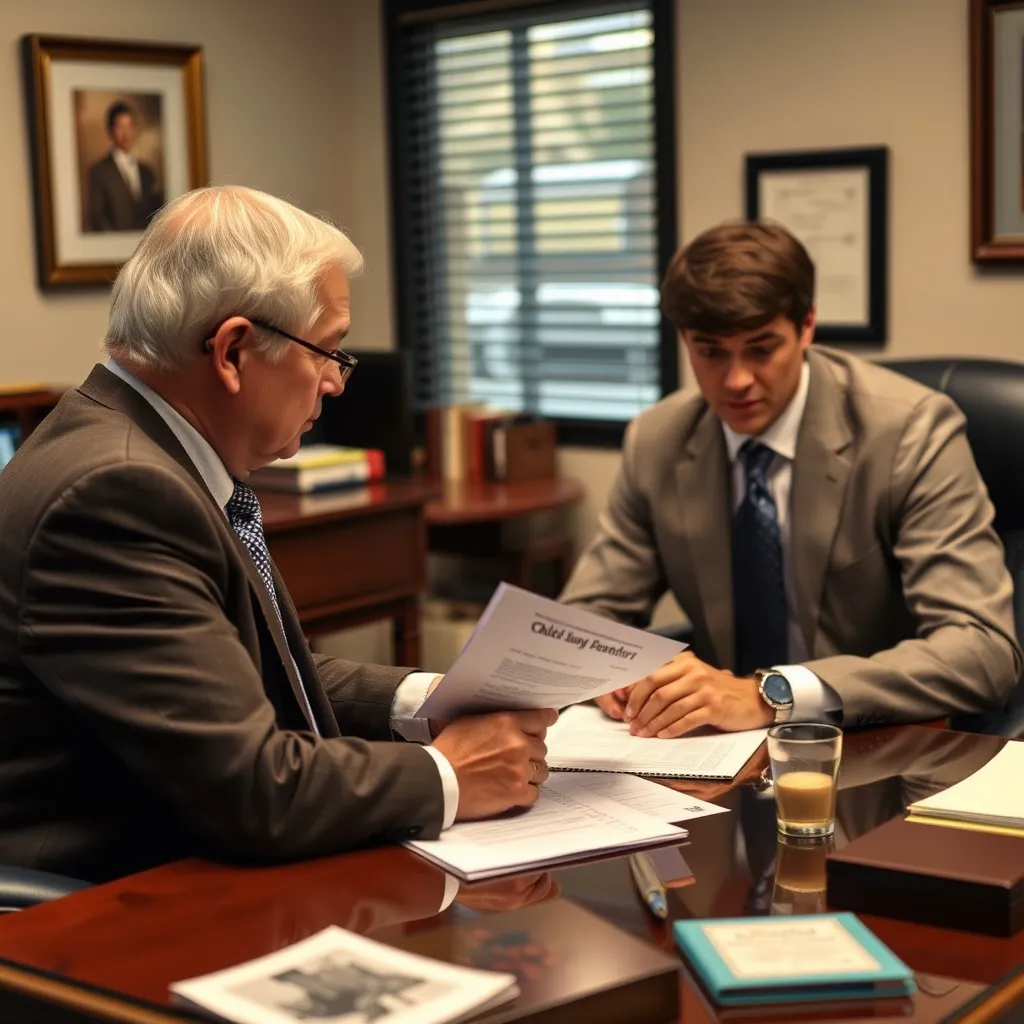
Child Support Contempt Lawyer Poquoson, VA
When a parent in Poquoson fails to pay court-ordered child support, the consequences can be serious. Law Offices Of SRIS, P.C. represents parents on both sides of child support contempt proceedings: those who are owed support and need enforcement, and those who are unable to pay and face sanctions. Mr. Sris and his Of Counsel have handled family law matters in Virginia since 1997, appearing regularly before the Poquoson Juvenile and Domestic Relations District Court. If you need to enforce a support order or defend against a contempt petition, reach our firm at (888) 437-7747 to schedule a consultation by appointment. Our Richmond Location serves clients throughout Poquoson and the surrounding Chesapeake Bay area. Law Offices Of SRIS, P.C. – Advocacy Without Borders.
What Child Support Contempt Means in Poquoson, Virginia
Child support contempt arises when a parent violates a Virginia court order to pay support. The Poquoson Juvenile and Domestic Relations District Court, located at 500 City Hall Avenue, has jurisdiction over child support and contempt matters. Under Virginia law, a judge may find a parent in contempt for willful failure to comply with a support order. The purpose of civil contempt is to compel payment of past-due amounts; criminal contempt punishes the violation itself. In either case, the court has broad authority to impose sanctions, including the power to order incarceration until the parent purges the contempt by paying the arrearage or demonstrating a good-faith effort.
Virginia courts apply the child support guidelines set out in Va. Code § 20-108.1. These guidelines establish a presumptive amount based on each parent’s gross income and the number of children. When a parent falls behind, the Division of Child Support Enforcement may intervene, or a private action may be filed. The court determines whether the failure to pay was willful by examining the evidence of the parent’s ability to pay, any attempts to modify the order, and the reasons for non-payment. Poquoson proceedings, like those throughout the Eighth Judicial District, are fact-intensive, and an experienced family law attorney can help present a clear record of the parent’s financial circumstances and efforts to comply.
How Mr. Sris and His Of Counsel Handle Child Support Contempt Cases
Mr. Sris and his Of Counsel approach child support contempt cases by first analyzing the financial picture and the procedural posture. For an obligor facing a contempt petition, the goal is to avoid sanctions by demonstrating that non-payment was not willful or by working out a payment plan. The firm reviews pay stubs, tax returns, and other financial records to establish the parent’s true ability to pay. If the original support order no longer reflects the parent’s current income, Mr. Sris and his Of Counsel may seek a modification of the support obligation before the contempt hearing. For an obligee seeking enforcement, the firm assembles proof of the arrearage and presents evidence of the other parent’s failure to comply, urging the court to enter a purge plan or to order income withholding.
The process typically begins with a show cause hearing where the judge evaluates whether a prima facie case of contempt exists. Mr. Sris and his Of Counsel prepare witnesses, cross-examine the opposing party, and argue the applicable legal standards under Virginia Code Title 20. If the court finds contempt, it may order a purge amount and set a compliance deadline. The firm then works to ensure the obligation is satisfied or to appeal if grounds exist. Throughout the matter, the firm’s priority is protecting the client’s rights and working toward a resolution that respects the best interests of the child. Contact our firm at (888) 437-7747 to discuss your situation.
About Mr. Sris and His Of Counsel Team
Mr. Sris, Owner and Founder of Law Offices Of SRIS, P.C., has practiced family law in Virginia since founding the firm in 1997. Mr. Sris testified before the Virginia House Courts of Justice Committee in support of 2019 HB 635 (chief patron Del. David Bulova). He is a former prosecutor, admitted in Virginia, Maryland, the District of Columbia, New Jersey, and New York. His background in trial work and legislative advocacy informs the strategic approach the firm brings to family law matters, including contested child support contempt proceedings in Poquoson.
Mr. Sris and his Of Counsel bring extensive combined legal experience between them. The firm’s Of Counsel team includes attorneys with experience in family law, criminal defense, and CPS matters, each providing valuable perspective in child support contempt cases. The firm serves clients from its Richmond Location, which handles family law matters throughout Central Virginia. By appointment only, the firm meets with clients to review their cases and prepare for hearings before the Poquoson Juvenile and Domestic Relations District Court. To request a consultation, call (888) 437-7747.
Frequently Asked Questions
What is child support contempt in Virginia?
Child support contempt is a legal proceeding to enforce a Virginia court order requiring a parent to pay support. When a parent fails to pay as ordered, the court may find that parent in contempt — either civil, to coerce payment of past-due support, or criminal, to punish willful disobedience. The proceeding is initiated in the Juvenile and Domestic Relations District Court, and the parent facing contempt has the right to present evidence of inability to pay. Mr. Sris and his Of Counsel can explain the differences and help a parent decide how to respond.
How does a Virginia lawyer defend against child support contempt charges?
Defense strategies may include showing that non-payment was not willful, challenging the calculation of the arrearage, or demonstrating a good-faith effort to comply. An experienced attorney reviews financial records and may petition for a modification of the underlying support order. Under Va. Code § 20-108.1, the court has discretion to consider the parent’s actual ability to pay. The firm also examines procedural issues, such as whether proper notice was given. Each case turns on its specific facts.
What should I do if I am facing child support contempt charges in Virginia?
Contact a family law attorney as soon as you receive notice of a show cause hearing. Do not miss the hearing, as a judge can issue a bench warrant. Gather pay stubs, tax returns, and any evidence of your financial situation. Mr. Sris and his Of Counsel can review the order, assess the arrearage, and advise you on the trusted path forward. Early legal help can lead to a negotiated payment plan and avoid incarceration.
Can child support contempt charges be dropped?
Yes, if the obligor pays the purge amount or demonstrates that non-payment was not willful, the court may dismiss the contempt petition. In many cases, a parent can resolve the matter by reaching an agreement with the other party or the Division of Child Support Enforcement before the hearing. An attorney can negotiate on your behalf and present a proposal to the court. If the underlying order is no longer fair, a modification motion can also affect the contempt case. Results may vary.
What are the consequences of child support contempt in Virginia?
A court may impose sanctions up to and including jail time for willful failure to pay child support. Civil contempt typically results in an order that the parent serve a jail sentence until a specified purge amount is paid. Courts may also suspend driver’s licenses, professional licenses, and recreational licenses. Criminal contempt can result in a fixed jail term. The specific outcome depends on the parent’s ability to pay and the judge’s assessment of the evidence.
Do I need a lawyer for a child support contempt case in Poquoson?
You are not legally required to have a lawyer, but the consequences of a contempt finding are severe, and a lawyer can help protect your rights. Child support contempt proceedings involve legal rules about evidence, burdens of proof, and purge requirements. An attorney who regularly appears in the Poquoson Juvenile and Domestic Relations District Court can present your circumstances effectively and advocate for a reasonable resolution. For a consultation, reach our firm at (888) 437-7747.
Virginia primary legal sources:
Attorney advertising. Prior results do not guarantee a similar outcome. Results may vary.
Case results depend on a variety of factors unique to each case.