
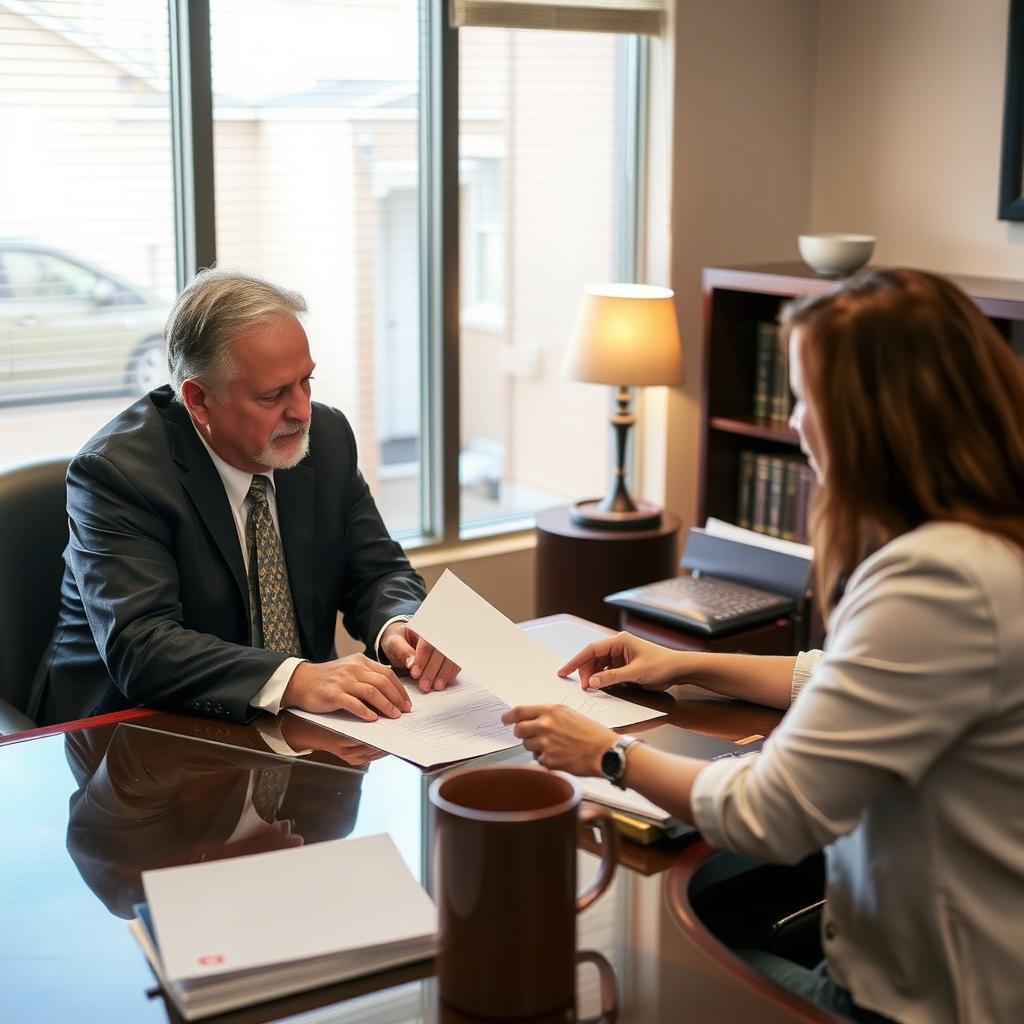
Alimony Enforcement Lawyer James City County, VA
When a former spouse stops paying court-ordered spousal support, the financial pressure can be immediate and severe. Alimony enforcement in James City County, Virginia, requires a focused understanding of local court procedures and the enforcement remedies available under Virginia law. Mr. Sris, Owner and Founder of Law Offices Of SRIS, P.C., and his Of Counsel represent clients seeking to enforce existing alimony awards or address non-payment. Our firm’s Richmond location serves individuals throughout James City County — including Williamsburg, Norge, Toano, and Lightfoot — and we appear regularly before the James City County Juvenile & Domestic Relations District Court and the James City County Circuit Court. If you are not receiving the support you were awarded, contact Law Offices Of SRIS, P.C. at (888) 437-7747 to discuss your enforcement options. Law Offices Of SRIS, P.C. – Advocacy Without Borders.
What Alimony Enforcement Means in James City County
Alimony enforcement refers to legal action taken when a payor fails to comply with a spousal support order. In Virginia, spousal support is governed by Va. Code § 20-107.1, which identifies the factors the court considers in setting support. Once a court enters an order, both parties are bound by its terms. When the payor stops paying, the recipient may seek enforcement through the same court that issued the order.
In James City County, enforcement matters may be heard in the Juvenile & Domestic Relations District Court or the Circuit Court, depending on where the original order was entered. The James City County Circuit Court, located at 5201 Monticello Avenue in Williamsburg, handles divorce and related equitable distribution matters; the J&DR District Court handles standalone support and custody cases. Enforcement proceedings may involve a show cause order, contempt allegations, wage garnishment, or a petition for a rule to show cause. The court has broad authority under Virginia law to compel compliance, including the power to impose sanctions or award attorney fees in appropriate circumstances. Because each enforcement matter turns on its own facts, it is important to work with an attorney familiar with the local judges and court practices in James City County.
How Mr. Sris and His Of Counsel Handle Alimony Enforcement Cases
Mr. Sris and his Of Counsel begin by examining the existing support order, payment history, and any prior enforcement attempts. They assess whether the non‑payment is willful or the result of changed financial circumstances, because the remedy may differ. Willful non‑payment can lead to contempt findings, while a genuine inability to pay may require a modification proceeding rather than enforcement.
The team files the appropriate enforcement pleadings in the correct James City County court, presents evidence of non‑payment, and advocates for the most effective remedy — whether that means a garnishment order against wages, a lien on property, or a finding of contempt with the possibility of jail time to compel compliance. Throughout the process, Mr. Sris and his Of Counsel work to move the matter as efficiently as the court’s calendar and procedural rules allow. They focus on practical results: getting the support payments restarted and resolving any arrearage. For legal guidance tailored to your situation, reach Law Offices Of SRIS, P.C. at (888) 437-7747.
About Mr. Sris and His Of Counsel Team
Mr. Sris is the Owner and Founder of Law Offices Of SRIS, P.C., a multi‑state firm practicing since 1997. A former prosecutor, Mr. Sris brings courtroom experience to every family law matter. He testified before the Virginia House Courts of Justice Committee in support of 2019 HB 635 (chief patron Del. David Bulova). Mr. Sris is admitted in Virginia, Maryland, the District of Columbia, New Jersey, and New York.
Mr. Sris and his Of Counsel bring extensive combined legal experience between them. Our Richmond location — at 7400 Beaufont Springs Drive, Suite 300, Room 395, Richmond, VA 23225 — serves clients in James City County and throughout Central Virginia. Every attorney who works on alimony enforcement matters is assisted by the firm’s multilingual staff, which provides support in English, Spanish, and Tamil. Results may vary. To schedule a consultation, call (888) 437-7747.
Frequently Asked Questions
What are the penalties for failing to pay alimony in Virginia?
Failure to pay alimony can result in a contempt finding, wage garnishment, property liens, or jail time. Under Va. Code § 20-107.1 and the court’s inherent contempt power, a judge may order the payor to pay the arrearage, impose fines, or incarcerate the payor until compliance. The specific remedy depends on whether the non‑payment is willful and the payor’s financial capacity. An experienced enforcement attorney can help determine the most effective path forward in James City County.
How do I enforce an alimony order if my ex-spouse lives in another state?
Virginia courts can enforce alimony orders against an out‑of‑state payor through registration of the order under the Uniform Interstate Family Support Act (UIFSA). Once registered, the Virginia court has jurisdiction to enforce the support obligation. If the payor’s income is in the other state, a wage withholding order can be sent to the employer across state lines. Mr. Sris and his Of Counsel are experienced with interstate enforcement and can advise you on the procedure.
Can I recover attorney fees in an alimony enforcement case in James City County?
Yes, Virginia law permits a court to award attorney fees and costs to the prevailing party in enforcement proceedings. If the court finds the payor in contempt or responsible for the non‑payment, it may order the payor to reimburse the recipient’s reasonable legal fees. The decision is discretionary and based on the facts. Our firm pursues fee recovery where appropriate, reducing the financial burden on the enforcement action itself.
What should I do if my alimony was set years ago and circumstances have changed?
If circumstances have changed substantially, you may need a modification rather than enforcement of the existing order. Enforcement assumes the original order is valid and still appropriate; if the payor’s income has dropped or the recipient’s needs have changed, a motion to modify the support amount may be more appropriate. Mr. Sris and his Of Counsel can evaluate whether you should pursue enforcement, modification, or both, depending on the specific facts under Va. Code § 20-107.1.
Do I need a lawyer to enforce alimony in James City County?
While you are not legally required to have a lawyer, alimony enforcement proceedings involve procedural rules and evidentiary requirements that can be difficult to navigate without counsel. A lawyer can help prepare the necessary pleadings, gather payment records and other evidence, and present your case effectively. Errors can delay enforcement or weaken your position. For guidance, contact Law Offices Of SRIS, P.C. at (888) 437-7747.
What evidence do I need to enforce an alimony order?
You will need the original support order, a record of missed payments, and documentation of any efforts to collect. Bank statements, canceled checks, payment ledgers, and correspondence with the payor can all help demonstrate non‑compliance. If you have attempted to resolve the matter outside court, notes of those attempts may also be useful. Our firm assists clients in organizing this evidence before filing an enforcement action in the appropriate James City County court.
Related Legal Services in Virginia
Our firm also provides family law guidance in surrounding localities:
York County Family Law Attorney •
Williamsburg Family Law Lawyer •
Fairfax County Family Law Attorney •
Fairfax City Family Law Lawyer •
Falls Church Family Law Lawyer
Virginia Code Resources
For the official text of relevant statutes, visit:
Va. Code § 20-107.1 – Spousal Support Factors
Va. Code § 20-91 – Grounds for Divorce
Attorney advertising. Prior results do not guarantee a similar outcome.
Case results depend on a variety of factors unique to each case.