
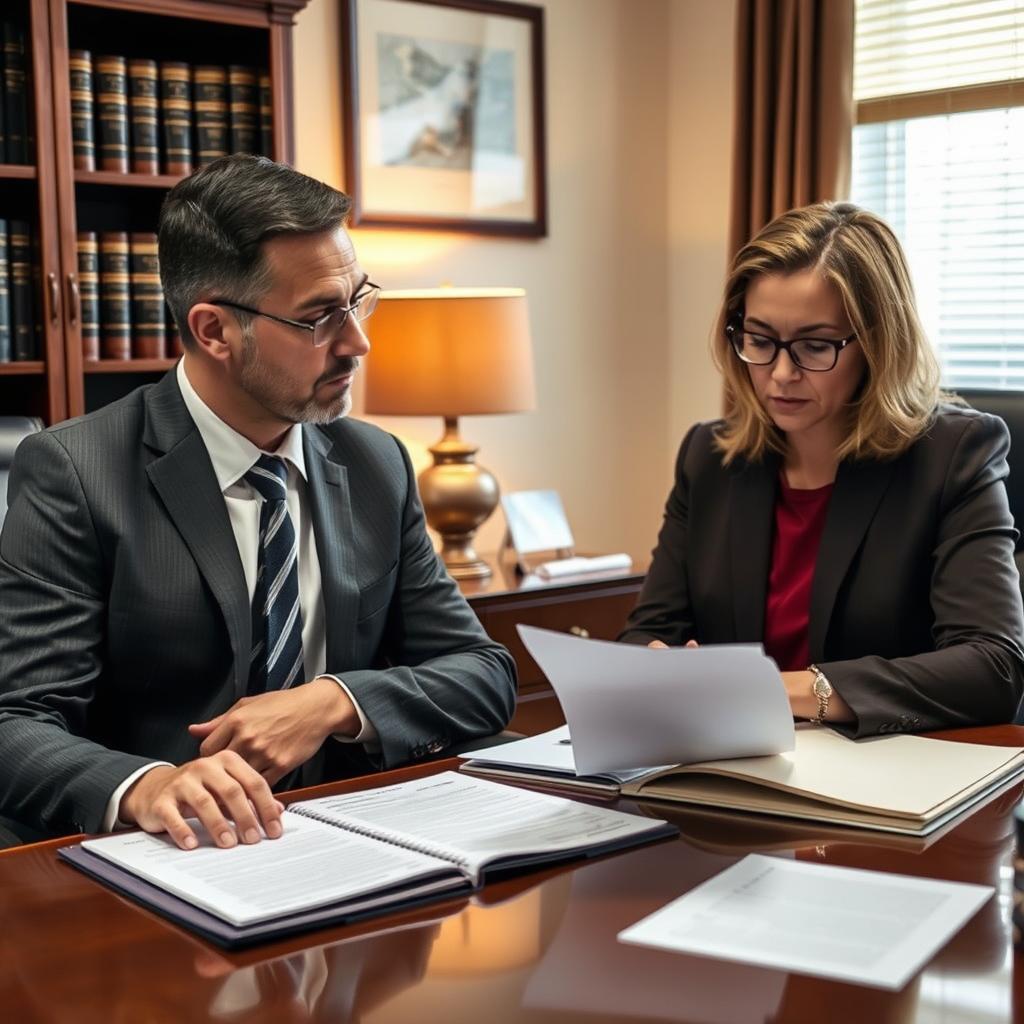
Adultery Divorce Lawyer James City County, VA
Adultery is a fault-based ground for divorce in Virginia, and under Va. Code § 20-91(1) a spouse who proves adultery can move directly to a contested divorce hearing without any required separation period. When one spouse has been unfaithful, the impact on property division, spousal support, and child custody can be significant. For residents of James City County — including Williamsburg, Norge, Toano, and Lightfoot — divorce matters are heard in the James City County Circuit Court (divorce, equitable distribution) and the James City County Juvenile & Domestic Relations District Court (custody, support, protective orders). At Law Offices Of SRIS, P.C., Mr. Sris and his Of Counsel represent spouses in adultery-based divorce proceedings, working to protect financial interests and parental rights while guiding clients through the procedural requirements of the Ninth Judicial District. To request a consultation, reach our firm at (888) 437-7747. Law Offices Of SRIS, P.C. — Advocacy Without Borders.
What Adultery Divorce Means in James City County
Virginia classifies adultery as a fault ground for divorce from the bond of matrimony. Unlike a no-fault divorce — which requires either a six‑month separation (if no minor children and the parties have signed a separation agreement) or a one‑year separation — an adultery-based divorce carries no mandatory waiting period. When a spouse files a complaint alleging adultery, the case proceeds on a contested track, and the court may grant the divorce immediately after a trial if the allegation is proved by clear and convincing evidence.
James City County divorce cases are filed in the James City County Circuit Court, located at 5201 Monticello Avenue, Suite 4, Williamsburg, Virginia. This court has exclusive original jurisdiction over all divorce matters in the county, including issues of equitable distribution, spousal support, and attorney’s fees. Meanwhile, the James City County Juvenile & Domestic Relations District Court handles standalone custody, visitation, and child‑support petitions. Because an adultery allegation can influence the division of marital assets and the amount and duration of spousal support, a clear understanding of how the Circuit Court applies the statutory factors is essential. Mr. Sris and his Of Counsel are familiar with the practices of the Ninth Judicial District and appear regularly in the Williamsburg‑based courts.
How Mr. Sris and His Of Counsel Handle Adultery Divorce Cases
Every adultery divorce presents two intertwined questions: whether the unfaithful conduct can be proved, and how that proof affects the financial and custody outcomes. Mr. Sris and his Of Counsel begin by evaluating the available evidence — often communications records, financial documents, witness statements, or admissions — to determine whether the high evidentiary bar of clear and convincing evidence can be met. If proof exists, the firm files a complaint in the James City County Circuit Court and may seek a pendente lite hearing under Va. Code § 20-103 to obtain temporary spousal support, custody, or an order restraining the dissipation of marital assets while the case is pending.
Because Virginia follows equitable distribution rather than community property, the court weighs 11 statutory factors before dividing assets. Adultery can be a particularly significant factor when it involves the wasteful dissipation of marital funds. Similarly, adultery can bar a spouse from receiving spousal support unless the court finds that a denial of support would constitute a manifest injustice. Mr. Sris and his Of Counsel work to present the facts clearly, negotiate with opposing counsel where possible, and litigate when necessary — always with the goal of achieving a resolution that aligns with the client’s long‑term interests.
About Mr. Sris and His Of Counsel Team
Mr. Sris, Owner and Founder of Law Offices Of SRIS, P.C., has been practicing since 1997 and is admitted in Virginia, Maryland, the District of Columbia, New Jersey, and New York. A former prosecutor, he brings extensive courtroom experience to contested family law matters. Mr. Sris testified before the Virginia House Courts of Justice Committee in support of 2019 HB 635 (chief patron Del. David Bulova), which revised the state’s equitable distribution statute — a law that directly governs the property division at the heart of every adultery divorce. He is joined by a team of Of Counsel attorneys who collectively contribute over 120 years of combined legal experience. Results may vary. The firm has achieved 4,739+ documented firm-wide results.
The firm’s Richmond location — at 7400 Beaufont Springs Drive, Suite 300, Room 395, Richmond, VA 23225 — serves clients throughout James City County and the surrounding region. Mr. Sris and his Of Counsel appear at the James City County Circuit Court and Juvenile & Domestic Relations District Court, offering representation that spans divorce, child custody, spousal support, and related modifications. The team works collaboratively, drawing on backgrounds in prosecution, law enforcement, and CPS representation to address the full range of legal issues that can arise in a high‑conflict divorce.
Frequently Asked Questions
What is an adultery divorce in Virginia?
An adultery divorce is a fault‑based divorce filed under Va. Code § 20‑91(1) when one spouse has engaged in voluntary sexual intercourse with someone other than the other spouse. Unlike a no‑fault divorce, it does not require a separation period. A spouse who proves adultery can obtain a divorce more quickly, but the burden of proof is high — the accusing party must present clear and convincing evidence. The outcome can dramatically affect how marital property is divided, whether spousal support is awarded, and how custody is determined. For guidance on your specific situation, reach Law Offices Of SRIS, P.C. at (888) 437-7747.
How does adultery affect property division in a James City County divorce?
Virginia courts consider the circumstances and factors that contributed to the dissolution of the marriage, including adultery, when dividing marital property. Adultery that involves the dissipation of marital funds — such as spending on an extramarital partner — can lead to a disproportionate award of the remaining assets to the innocent spouse. Even without financial waste, the court may weigh the adultery as one of the 11 equitable‑distribution factors. The James City County Circuit Court has authority over all property and support matters; a lawyer can help you present the financial impact of adultery clearly and persuasively.
Do I need a lawyer for an adultery divorce in James City County?
While you are not legally required to have a lawyer, an adultery divorce is a contested proceeding that demands careful preparation and a strong evidentiary case. The clear‑and‑convincing standard of proof, the potential denial of spousal support, and the fact‑intensive nature of equitable distribution make self‑representation risky. An experienced family law attorney can help you gather and present evidence, meet procedural deadlines, and advocate for a fair division of assets and appropriate parenting arrangements. To discuss the details of your matter, contact Law Offices Of SRIS, P.C. at (888) 437-7747.
What are the other grounds for divorce in Virginia?
Virginia recognizes several fault‑based grounds beyond adultery, including cruelty, desertion for one year, and conviction of a felony with imprisonment for more than one year. The state also allows no‑fault divorce based on a six‑month separation (if no minor children and the parties have a signed settlement agreement) or a one‑year separation. The choice of ground affects the waiting period, the availability of spousal support, and the court’s approach to property division. A family law attorney can explain which ground best fits your circumstances and the likely practical consequences.
How is child custody decided when adultery is involved?
Custody in Virginia is determined by the best interests of the child under Va. Code § 20‑124.3, which lists ten statutory factors. Adultery, standing alone, does not automatically disqualify a parent from custody. However, the court will examine whether the adulterous behavior negatively affected the child or the parent’s ability to care for the child. If the infidelity introduced instability, involved neglect, or exposed the child to inappropriate circumstances, the judge may give it significant weight. James City County Juvenile & Domestic Relations District Court handles standalone custody matters, while custody within a divorce is decided by the Circuit Court.
Can I still file for a no-fault divorce if I suspect adultery?
Yes, you may choose to file for a no‑fault divorce instead of alleging adultery, provided you meet the separation requirement. Some spouses prefer a no‑fault approach because it avoids the cost, time, and emotional strain of proving fault. The decision often depends on whether proving adultery would materially change the financial outcome, such as barring the unfaithful spouse from receiving spousal support or shifting the property division. An attorney can evaluate the evidence and help you weigh the benefits and burdens of each option. For a consultation, reach Mr. Sris and his Of Counsel at (888) 437-7747.
Attorney advertising. Prior results do not guarantee a similar outcome. Results may vary.
Case results depend on a variety of factors unique to each case.