
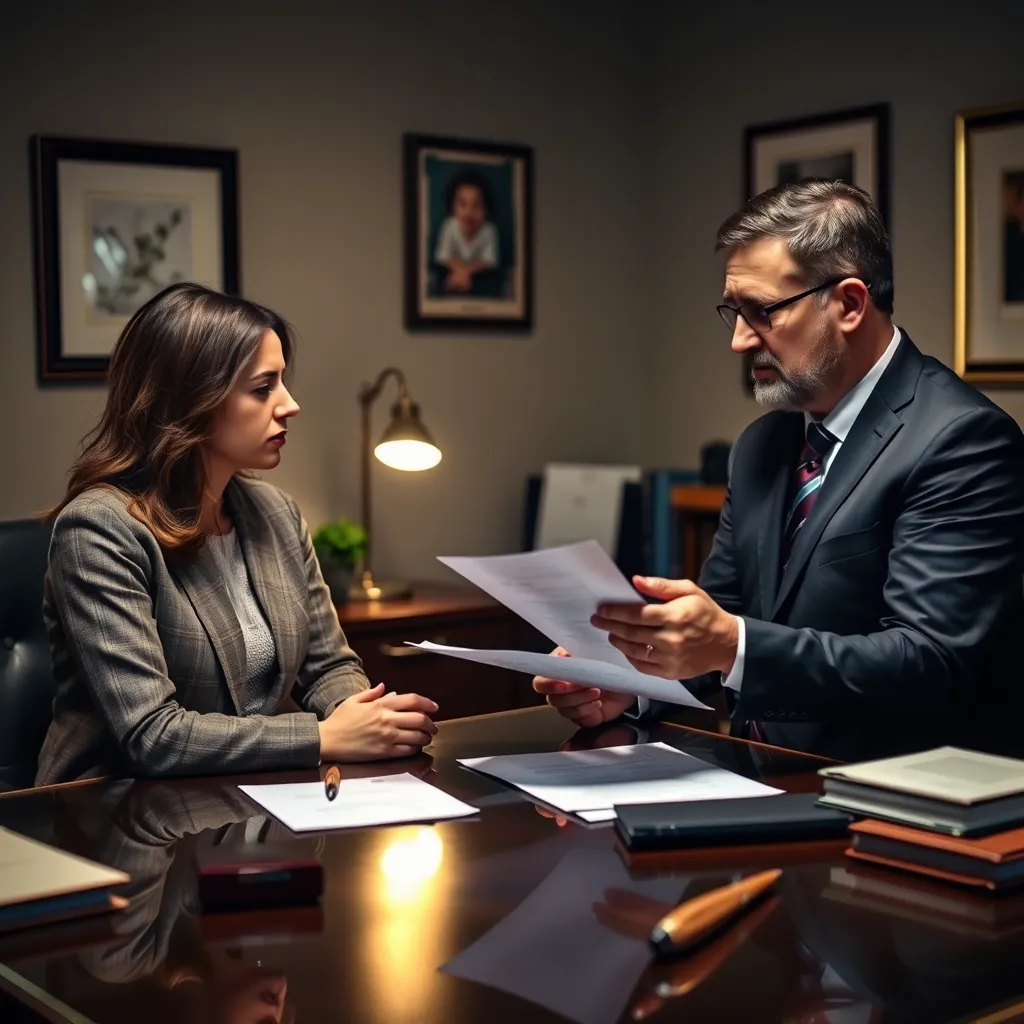
Paternity Test Lawyer Poquoson, VA
In Poquoson, Virginia—a small independent city on the Chesapeake Bay—questions of paternity carry significant legal weight. Whether you are a mother seeking to establish legal parentage to secure child support or a father wanting to confirm biological ties and pursue custody or visitation, the legal process for a paternity test is governed by Virginia Code Title 20, including Va. Code § 20‑49.1 et seq. Paternity determinations directly affect financial obligations, parental rights, and a child’s long‑term welfare. The Poquoson Juvenile and Domestic Relations District Court, located at 500 City Hall Avenue, handles initial petitions for establishment of paternity, child support, and custody arrangements. In some cases, paternity is litigated as part of a divorce in the Poquoson Circuit Court. Mr. Sris, a former prosecutor who founded Law Offices Of SRIS, P.C. in 1997, understands how Virginia courts handle family law matters and works with his Of Counsel to present evidence clearly and pursue favorable outcomes. Whether you seek to confirm parentage for support or defend against an inaccurate claim, informed legal guidance can make a decisive difference. To request a consultation, reach Law Offices Of SRIS, P.C. at (888) 437‑7747. Law Offices Of SRIS, P.C. – Advocacy Without Borders.
What Paternity Test Law Means in Poquoson, Virginia
Paternity cases in Poquoson fall under Virginia Code Title 20, primarily Va. Code § 20‑49.1 et seq., which governs the establishment of parentage for children born outside of marriage. The Poquoson Juvenile and Domestic Relations District Court is the tribunal where most paternity petitions are first heard; that court also addresses child support and custody issues that flow directly from a paternity determination. When paternity is contested, the court can order genetic testing, and the results may form the basis for a legal finding of fatherhood. This localized framework means that residents of Poquoson, as well as those in the surrounding Eighth Judicial District, must follow specific Virginia statutes and court rules to obtain enforceable orders.
The consequences of establishing—or not establishing—paternity reach well beyond a birth certificate. Legal paternity opens the door to child support obligations, health insurance coverage, and potential inheritance rights. It also entitles a father to seek custody and visitation, and it gives a child access to family medical history and benefits such as Social Security or military dependency allowances. Poquoson’s location near Langley Air Force Base and its proximity to York County mean that military families and multi‑jurisdiction households frequently encounter paternity disputes. An experienced attorney can help a parent navigate the procedural steps in the proper court and ensure that all statutory requirements are met so that any resulting order accurately reflects the family’s circumstances.
How Mr. Sris and His Of Counsel Handle Paternity Test Cases
At Law Offices Of SRIS, P.C., paternity matters begin with a thorough case assessment. Mr. Sris and his Of Counsel review the facts—whether the case involves an unmarried couple, a disputed biological relationship, or a parent attempting to enforce support obligations. They explain Virginia’s legal standards and the evidence that may be needed, including the possibility of court‑ordered genetic testing. Throughout the process, the team focuses on protecting the client’s parental rights while promoting stability for the child.
If a petition is necessary, Mr. Sris and his Of Counsel prepare and file the appropriate pleadings in the Poquoson Juvenile and Domestic Relations District Court—or, when the issue arises in a divorce, the Poquoson Circuit Court. They coordinate with genetic‑testing laboratories when tests are ordered, present test results and other evidence at hearings, and negotiate resolutions that serve the client’s goals. Whether the aim is to establish fatherhood and secure financial support or to defend against an erroneous claim, the team emphasizes clear communication and thorough preparation. The firm does not make promises about outcomes; instead, it works to achieve favorable resolutions based on the specific facts and the applicable law.
About Mr. Sris and His Of Counsel Team
Mr. Sris, Owner and Founder of Law Offices Of SRIS, P.C., has been practicing since 1997. A former prosecutor, he brings decades of courtroom experience to family law matters and is admitted to practice in Virginia, Maryland, the District of Columbia, New Jersey, and New York. His legislative testimony before the Virginia House Courts of Justice Committee in support of 2019 HB 635 (chief patron Del. David Bulova) reflects his deep engagement with Virginia family law reform. Mr. Sris and his Of Counsel bring extensive combined legal experience to paternity cases. Results may vary. The Of Counsel team collaborates closely with Mr. Sris, drawing on broad litigation backgrounds to handle the procedural and evidentiary challenges that paternity disputes can present. Clients in Poquoson benefit from a multi‑state firm that remains focused on each individual’s personal and legal priorities.
Frequently Asked Questions
How is paternity established in Virginia?
Paternity in Virginia is established either by voluntary acknowledgment signed by both parents or through a court proceeding that may include genetic testing. When parents are unmarried, the father’s name does not automatically go on the birth certificate. A mother, alleged father, or the Division of Child Support Enforcement can petition the Juvenile and Domestic Relations District Court to establish paternity. The court can order DNA testing, and if the test shows a probability of parentage of at least 98 percent, the court may enter an order declaring legal fatherhood. Once paternity is established, the court can address child support, custody, and visitation under the same case. For guidance on your specific situation, reach Law Offices Of SRIS, P.C. at (888) 437‑7747.
Do I need a lawyer for a paternity test in Poquoson?
You are not legally required to have a lawyer for a paternity test, but legal representation can help protect your rights, especially when support or custody are at issue. The process can be emotionally charged and legally complex. An attorney can explain how Virginia law affects your case, assist with filing the correct petitions in the Poquoson Juvenile and Domestic Relations District Court, ensure the proper chain of custody for DNA samples, and negotiate or litigate financial and parenting issues that follow a paternity finding. Errors in the early stages can create lasting problems with support orders or custody arrangements. Speaking with an experienced family law attorney helps you understand the full scope of the matter.
Can a father be required to take a paternity test in Virginia?
Yes, a Virginia court can order an alleged father to submit to genetic testing if a petition for paternity has been filed and paternity is in dispute. Under Va. Code § 20‑49.1 et seq., the court may compel testing when a party requests it and the facts support the need. Refusing a court‑ordered test can result in legal consequences, including the court drawing an adverse inference or holding the person in contempt. The test typically involves a simple cheek swab and is performed by an accredited laboratory. Once the test results are available, the court uses them to make a legal determination of paternity, which then triggers the ability to address support and custody.
What happens if a paternity test is positive?
If a court‑ordered genetic test confirms paternity, the court enters an order establishing the legal father‑child relationship, and the parents can then seek child support, custody, and visitation. For the mother, a positive test allows her to pursue a support order and set parenting‑time parameters. For the father, it grants the right to petition for custody or visitation and to be involved in major decisions affecting the child. The court also has the authority to establish a support obligation based on the Virginia child support guidelines. Both parents gain legal standing to participate in future modifications or enforcement actions. To discuss the details of your matter, contact Law Offices Of SRIS, P.C. at (888) 437‑7747.
How does paternity affect child custody in Virginia?
Once paternity is legally established, the father has the same right as the mother to seek custody or visitation, and the court makes its decision based on the best interests of the child under Va. Code § 20‑124.3. Before paternity is established, an unmarried father generally has no legal right to custody. After a court order, the father can file for custody and the court will consider the ten statutory factors, including each parent’s relationship with the child, the child’s needs, and any history of family abuse. The court may order joint or sole custody and will design a parenting plan accordingly. This makes paternity a critical first step for a father who wishes to remain a meaningful part of his child’s life. India is not a signatory to the 1980 Hague Convention on Civil Aspects of International Child Abduction.
Can paternity be established if the parents were never married?
Yes; the Virginia statutory framework is specifically designed for children born to unmarried parents, and paternity can be established either voluntarily or through court action. The most straightforward route is a voluntary acknowledgment of paternity, typically signed at the hospital or later at the Virginia Department of Health, which allows the father’s name to be added to the birth certificate. If one parent disputes paternity or is unavailable, a petition may be filed in the Juvenile and Domestic Relations District Court. The court can then order genetic testing and issue a legal finding of paternity. Once established, the father’s rights and responsibilities are the same as those of any parent under Virginia law. For a consultation, reach Mr. Sris and his Of Counsel at (888) 437‑7747.
Related Virginia Family Law Pages
Fairfax County Family Law Lawyer |
Prince William County Family Law Lawyer |
Manassas Family Law Lawyer
Virginia Primary Legal Sources
Virginia Code Title 20 — Domestic Relations |
Virginia Judicial System |
Poquoson Combined Courts
Attorney advertising. Prior results do not guarantee a similar outcome.
Results may vary.
Case results depend on a variety of factors unique to each case.