
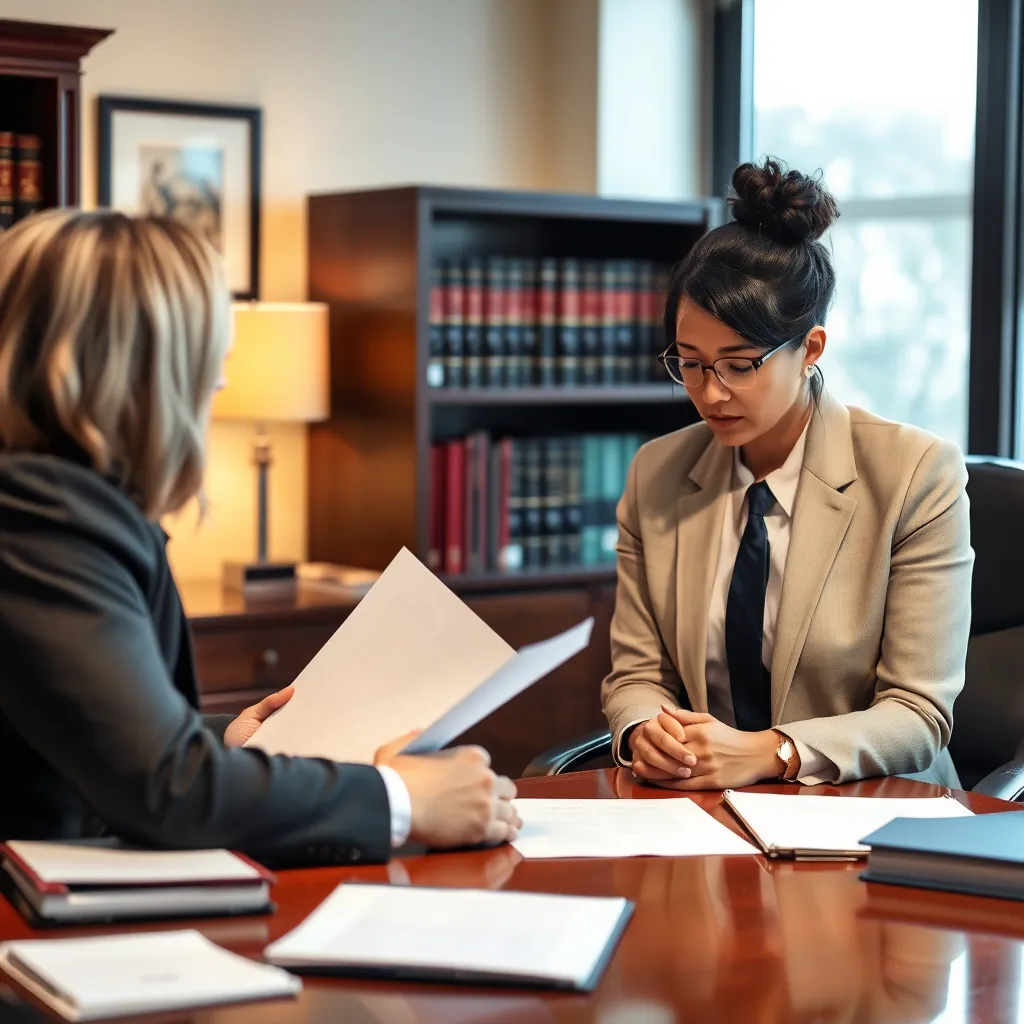
Child Support Enforcement Lawyer in Falls Church, VA
Child support enforcement is a complex area of family law that requires precise knowledge of Virginia statutes and local court procedures. When the required payments are falling behind—creating what is known as arrearage—the process to collect those funds can feel overwhelming and confusing. At Law Offices Of SRIS, P.C., we understand that securing financial stability for children is paramount. Our dedicated team provides active, strategic representation designed to maximize your recovery through every available legal avenue, whether it involves wage garnishment, tax refund interception, or establishing a formal payment plan.
We are the trusted Child Support Enforcement Lawyer in Falls Church, VA, serving clients across Northern Virginia and beyond. Our experience is built on decades of litigation success, allowing us to navigate the intricacies of family finance law so you don’t have to. If you are struggling to collect overdue support payments or need help establishing a comprehensive enforcement strategy, reaching out to our location at (888) 437-7747 is the critical first step toward financial security for your family.
What Is Child Support Enforcement in Virginia?
Child support enforcement, generally speaking, refers to the legal actions taken by a custodial parent or guardian to compel the non-custodial parent to pay overdue child support payments. In Virginia, this process is highly regulated and governed by specific statutory guidelines designed to ensure that children’s financial needs are met consistently. It is not simply about demanding money; it involves utilizing the full power of the legal system to locate assets, garnish wages, and intercept funds.
The goal of enforcement is to convert a court-ordered obligation into tangible payments. If the non-custodial parent fails to pay, the court has several tools at its disposal. These can include filing motions for wage garnishment directly with the employer, petitioning the Virginia Department of Taxation for interception of tax refunds, or pursuing liens against property. Our attorneys are deeply familiar with the specific procedural rules in the Fairfax County and Falls Church courts, ensuring that every action we take is legally sound and maximizes your chances of recovery.
How Do I Collect Arrearages in Falls Church?
Arrearage—the accumulated amount of overdue child support—is often the most emotionally and financially stressful part of this process. Virginia law treats arrearages seriously, recognizing that these funds are meant for the child’s immediate needs. The process typically begins with filing a Motion to Show Cause or a similar enforcement action in the appropriate local court. We will first review your existing court orders to determine exactly what is owed and when it was due. Then, we move into the collection phase.
Our strategy often involves a multi-pronged approach. For instance, if wage garnishment proves difficult, we may pivot to pursuing tax refund interception, which can sometimes yield quicker results. Furthermore, understanding the difference between support payments and other financial obligations is crucial, as improper filings can jeopardize your case. Don’t navigate this alone; our experienced team provides the necessary legal firepower to pursue every available dollar owed.
Child Support Enforcement Lawyer in Falls Church, VA
When you need an active and knowledgeable Child Support Enforcement Lawyer in Falls Church, VA, you need counsel that is both deeply local and broadly experienced. The matters of child support are intensely personal, requiring not just legal experience but also empathy and strategic tenacity. We manage the litigation so you can focus on your family.
Wage Garnishment and Tax Refund Interception
Two of the most powerful tools in the enforcement arsenal are wage garnishment and tax refund interception. Wage garnishment requires a court order served directly to the non-custodial parent’s employer, legally requiring them to withhold a portion of the paycheck and remit it to the court or the receiving party. This is highly effective but requires strict adherence to state and federal payroll laws.
Tax refund interception works similarly, targeting the funds the non-custodial parent receives from their annual tax return. Because these funds are often liquid and easily accessible, they represent a prime target for recovery. Our attorneys manage the complex filings required with the Virginia Department of Taxation, ensuring that the process is executed correctly and promptly. These methods require specialized knowledge of state finance law, which is where our experience makes a difference.
What Are the Statutes of Limitation for Child Support?
Understanding statutes of limitation is vital because it dictates how long you have to legally pursue overdue funds. While general statute limitations can vary, child support arrears are often treated with a higher degree of urgency by the courts. However, the specific rules regarding the accrual and enforcement of these debts can be complex, depending on whether the payments were missed due to non-payment or due to a change in circumstances.
We maintain up-to-date knowledge of all relevant statutes of limitation across Virginia, Maryland, and the District of Columbia. If you believe time has passed since an obligation was incurred, do not assume the claim is lost. A thorough review by our legal team can determine if a viable enforcement action can still be mounted. This requires detailed analysis of your specific case timeline.
How Do I Find a Child Support Attorney Near Me?
Finding the right attorney is perhaps the most critical step. You need someone who is not only knowledgeable about family law but who also has deep roots in the local court system of Falls Church, VA. A general practitioner may know the law, but a local attorney knows the judges, the clerks, and the procedural shortcuts that save time and money.
Our firm has built its reputation on providing hyper-local experience combined with multi-jurisdictional capability. Whether you are in Falls Church, or if your case requires us to serve clients in neighboring areas like Arlington child support lawyer, Alexandria child support lawyer, or the broader Fairfax child support lawyer community, our team is equipped to handle the logistics of enforcement.
How Mr. Sris and the Firm’s Of Counsel Attorneys Handle Child Support Enforcement Cases in Falls Church
Enforcing child support payments requires a blend of active litigation tactics and meticulous administrative detail. When clients come to Law Offices Of SRIS, P.C., they are met with a comprehensive strategy that immediately assesses the viability of all collection methods. Our process begins with an intensive review of the existing court orders and financial documentation to establish a clear picture of the debt and the responsible parties. We then work to secure necessary mechanisms, such as obtaining wage withholding orders or filing for tax refund interception, ensuring all paperwork is filed correctly with the appropriate local authorities in Falls Church.
The strength of our approach lies in our ability to coordinate efforts between our core attorneys and the firm’s Of Counsel attorneys. These specialized legal minds bring unique insights into niche areas of family finance law, allowing us to tackle complex enforcement scenarios that might stump a general practitioner. We treat every case as unique, building a customized path to recovery that is both legally sound and highly efficient. If you are seeking an experienced Child Support Enforcement Lawyer in Falls Church, VA who can manage the full spectrum of enforcement tools, our team is ready to guide you through this difficult process.
About Mr. Sris and the Firm’s Of Counsel Attorneys
Mr. Sris, Owner and Founder, has dedicated his career to family law, developing a reputation for tenacious advocacy and deep procedural knowledge. As a former prosecutor, he brings a unique perspective to litigation, understanding how cases are built from the investigative side as well as the courtroom side. Mr. Sris is admitted in Virginia, Maryland, the District of Columbia, New Jersey, and New York, providing his clients with access to a five-jurisdiction practice that covers the needs of many of our clients across Northern Virginia.
The firm’s Of Counsel attorneys are a network of highly specialized legal practitioners who collaborate with our core team. They provide extensive experience in specific facets of family law—from complex asset division to interstate enforcement issues—allowing us to offer extensive depth of service without compromising the individual case review you deserve. We believe that combining decades of local experience with a diverse, experienced attorney network is the best way to provides clients with the most robust defense and recovery strategy available.
Frequently Asked Questions About Child Support Enforcement in Falls Church
Q: What is the difference between child support and spousal support?
A: Child support is specifically for the financial needs of the child, covering necessities like food, clothing, and education. Spousal support (or alimony) is intended to help one spouse maintain a standard of living similar to what they had during the marriage. They are separate obligations governed by different parts of family law.
Q: Can I enforce child support if the payments were made through a divorce settlement?
A: Yes, even if the obligation originated in a divorce settlement, it remains a court-ordered financial duty. If those payments are missed, you can still initiate enforcement actions using the same mechanisms available for statutory orders.
Q: How long do I have to file an enforcement action?
A: While statutes of limitation vary, it is crucial to act quickly. The longer you wait, the more difficult it can become to prove the debt and enforce the order. We advise consulting with counsel immediately upon missing payments.
Q: Does my income change affect the support amount?
A: Yes, child support guidelines are often based on both parents’ incomes and the number of children. Significant changes in either parent’s employment or earnings can trigger a modification hearing to adjust the support amount.
Q: Can I garnish wages if the non-custodial parent is self-employed?
A: Garnishing wages from a self-employed individual is more complex. Instead, attorneys often pursue other avenues, such as liens on bank accounts or tax refund interception, which are typically more effective in these situations.
Q: What if the non-custodial parent moves out of state?
A: Moving out of state does not erase the obligation. We have experience with interstate enforcement and can work with other jurisdictions to locate assets or enforce orders, though this process can be more involved.
Q: Can I use my own tax returns to prove arrearages?
A: Tax returns are used by the state to calculate refunds and support obligations. While they are evidence of income, we must file formal motions with the proper authorities to legally intercept those funds for support.
Q: Is it possible to get child support through a court-ordered mediation?
A: Mediation is often used to establish or modify support agreements. However, if the agreement is already in place and payments are missed, enforcement actions must be taken through the court system, not mediation.
Next Steps for Enforcement
The process of enforcing child support can feel daunting, but taking decisive action is the first step toward recovery. If you are facing missed payments or need to establish a comprehensive enforcement plan, do not delay. Our team at Law Offices Of SRIS, P.C. is ready to take on the complexity so you can focus on your children’s well-being.
We encourage you to reach out to our Falls Church location by calling (888) 437-7747 to schedule a confidential consultation. We also serve clients throughout the greater DMV area, including Fairfax child support lawyer services and representation in neighboring communities.
Need Immediate Assistance?
Don’t let overdue payments jeopardize your family’s stability. Contact Law Offices Of SRIS, P.C. Today to speak with an experienced Child Support Enforcement Lawyer in Falls Church, VA.
(888) 437-7747
*Disclaimer:* *The information provided on this page is for educational purposes only and does not constitute legal advice. Child support laws are governed by complex state statutes, and every case is unique. You must consult with an attorney licensed in Virginia to discuss the specifics of your situation. By calling (888) 437-7747, you are speaking with a legal professional who can assess your eligibility for representation.*
Case results depend on a variety of factors unique to each case.
Attorney advertising. Prior results do not guarantee a similar outcome.