
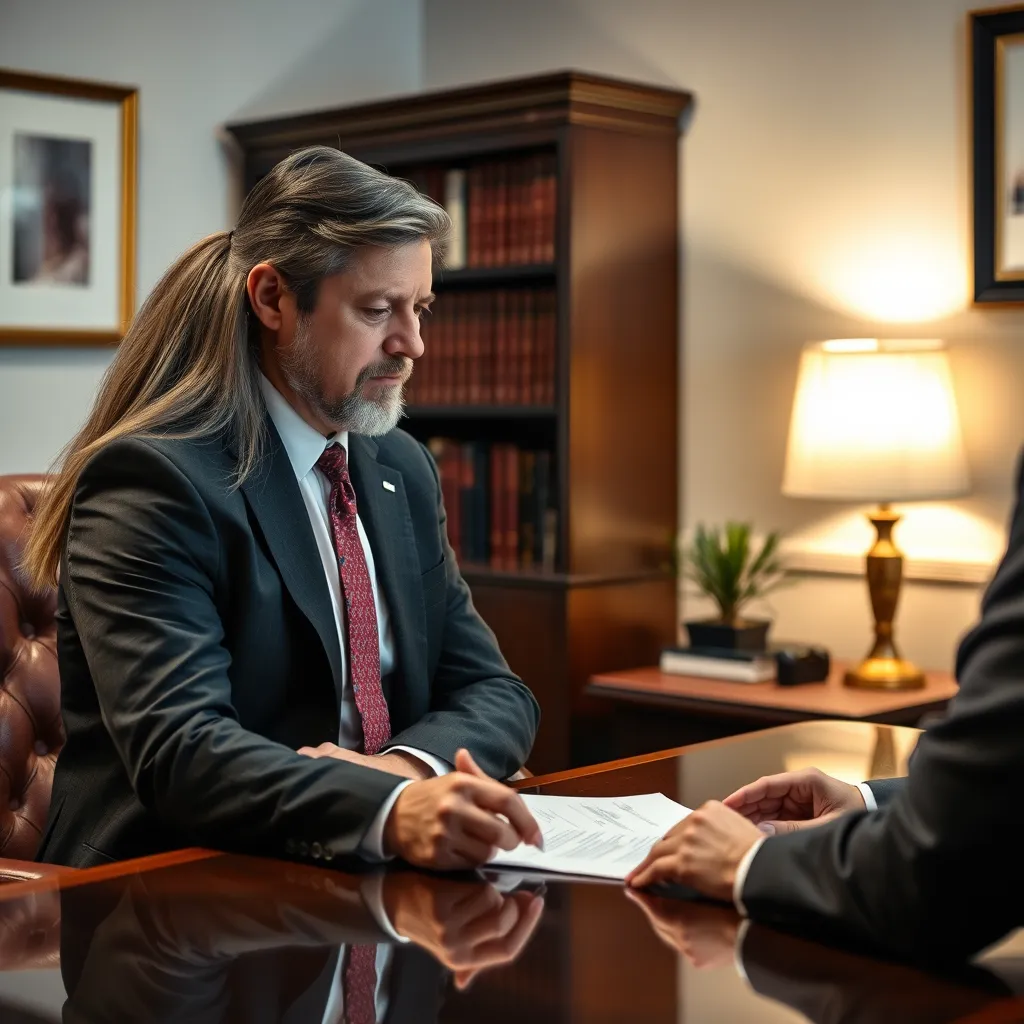
Note: This article is confirmed by Law Offices Of SRIS, P.C.
WRITTEN BY: Mr. Sris
Since 1997, Mr. Sris has led the firm, focusing on the most challenging criminal and family law cases… His background in accounting and information management aids in financial and technology-related cases… Involved in significant legislative changes in Virginia.
Insight: My focus since founding the firm in 1997 has always been directed towards personally handling the most challenging and involved criminal and family law matters our clients face.
Insight: I find my background in accounting and information management provides a unique advantage when handling the intricate financial and technological aspects inherent in many modern legal cases.
Insight: As someone deeply involved in the community, I believe it’s important to not only practice law but also to actively participate in shaping it, which is why I dedicated effort towards amending Virginia Code § 20-107.3 and achieving state recognition for cultural milestones.
Marital Settlement Agreement Lawyer Fauquier VA
What is a Marital Settlement Agreement
A marital settlement agreement serves as the foundation for how a couple will separate their lives legally and financially. This document specifies how marital property gets divided between spouses, including real estate, vehicles, bank accounts, investments, and personal belongings. It also addresses responsibility for marital debts such as mortgages, credit cards, and loans. The agreement may include provisions for spousal support, outlining amount, duration, and payment terms if applicable.
The process begins with identifying all marital assets and liabilities. Each spouse must provide complete financial disclosure to ensure fair division. Virginia follows equitable distribution principles, meaning property gets divided fairly but not necessarily equally. Factors like marriage duration, each spouse’s contributions, and economic circumstances influence the division. The agreement should address retirement accounts, pensions, and other long-term assets that require specific legal procedures for division.
Creating an effective agreement involves considering tax implications of different division approaches. Certain asset transfers during divorce may have tax consequences that need planning. The agreement should include provisions for handling unexpected situations, such as discovering hidden assets or changes in financial circumstances. Proper documentation of business interests, professional practices, and intellectual property requires particular attention to valuation methods and division terms.
Real-Talk Aside: These agreements become permanent court orders. Mistakes in drafting can lead to years of financial complications and legal disputes.
How to Create a Valid Settlement Agreement
The first step in creating a valid agreement involves complete financial disclosure from both parties. Each spouse must provide documentation of all assets, debts, income, and expenses. This includes bank statements, tax returns, investment accounts, property deeds, loan documents, and retirement account statements. Full transparency prevents later claims of fraud or concealment and forms the basis for fair negotiations.
Negotiation follows disclosure, where spouses discuss how to divide assets and handle support matters. This can occur through direct discussion, mediation, or attorney-led negotiations. The goal is reaching mutually acceptable terms that address all relevant issues. During negotiations, consider both immediate needs and long-term financial security. Document all agreed terms clearly to avoid misunderstandings during drafting.
Drafting the formal agreement requires precise legal language that covers all negotiated points. The document should include definitions of terms, detailed property division schedules, support provisions, debt allocation, and any special arrangements. Include provisions for enforcement mechanisms and dispute resolution procedures. The agreement must comply with Virginia statutory requirements for marital settlement agreements to ensure court approval.
Real-Talk Aside: Rushing through financial disclosure or skipping independent legal review often leads to agreements being challenged or overturned later.
Can I Modify a Signed Agreement
Property division terms in marital settlement agreements are generally considered final and not subject to modification after court approval. Once the court incorporates the agreement into the divorce decree, property distribution becomes a court order that typically cannot be changed. Exceptions exist for fraud, duress, or mutual mistake in the original agreement. Discovering hidden assets or misrepresented values might justify reopening property division.
Support provisions, including spousal maintenance, may be modifiable under certain conditions. Virginia law allows modification of support orders when there has been a material change in circumstances affecting either party’s ability to pay or need for support. Changes in income, employment status, health conditions, or living arrangements can constitute material changes. The party seeking modification must demonstrate the change is substantial and warrants adjustment.
Child-related provisions follow different rules. Child support amounts can be modified based on changes in parental income or children’s needs. Custody and visitation arrangements may be modified if changes serve the child’s best interests. Parenting plans within settlement agreements may include specific provisions about modification procedures. Always consult current Virginia law and court procedures for modification requirements.
Real-Talk Aside: Assuming you can easily change terms later is risky. Courts uphold most property divisions as final decisions.
Why Hire Legal Help for Settlement Agreements
Legal professionals bring knowledge of Virginia divorce law and court procedures that affect settlement agreements. They understand what terms courts typically approve and what provisions might face challenges. Attorneys help identify all assets subject to division, including those you might overlook like stock options, business interests, or future income streams. They ensure proper valuation methods get applied to involved assets like retirement accounts or professional practices.
Drafting technical legal language requires precision to avoid ambiguity. Attorneys use established legal terminology and structure that courts recognize and enforce. They include necessary provisions for enforcement mechanisms, default procedures, and dispute resolution methods. Legal professionals consider tax consequences of different division approaches and help structure agreements to minimize tax liabilities for both parties.
Having independent legal representation ensures your interests get protected during negotiations. Your attorney can advocate for fair terms while maintaining a professional approach to resolution. They help balance immediate needs with long-term financial security considerations. Legal guidance provides reality checks about what terms are reasonable and likely to receive court approval based on Virginia standards.
Real-Talk Aside: Trying to handle involved financial divisions without legal help often leads to agreements that fail to address important issues or get rejected by courts.
FAQ:
What gets included in a marital settlement agreement?
Asset division, debt allocation, spousal support terms, and other financial arrangements between divorcing spouses.
How long does creating an agreement take?
The process typically takes several weeks to months depending on challenge and cooperation between parties.
Can we create an agreement without lawyers?
Yes, but having legal review ensures compliance with Virginia law and protects both parties’ interests.
What happens if one spouse hides assets?
Hidden assets can lead to agreement modification or legal consequences for the concealing spouse.
Are settlement agreements legally binding?
Yes, once signed and incorporated into the divorce decree, they become enforceable court orders.
Can I change support amounts later?
Support provisions may be modifiable with substantial changes in circumstances under Virginia law.
What if we disagree on terms?
Mediation or court intervention may be needed to resolve disagreements and reach settlement.
Do both spouses need separate lawyers?
Independent legal representation is recommended to ensure each party’s interests get protected.
How are retirement accounts divided?
Retirement accounts require specific legal orders called QDROs for proper division between spouses.
What makes an agreement invalid?
Fraud, coercion, incomplete disclosure, or failure to meet Virginia legal requirements can invalidate agreements.
Can we include parenting plans?
Yes, custody and visitation arrangements can be included as part of comprehensive settlement agreements.
What if circumstances change after signing?
Some provisions may be modifiable with court approval based on material change in circumstances.
Past results do not predict future outcomes