
Property Settlement Lawyer Louisa County, VA
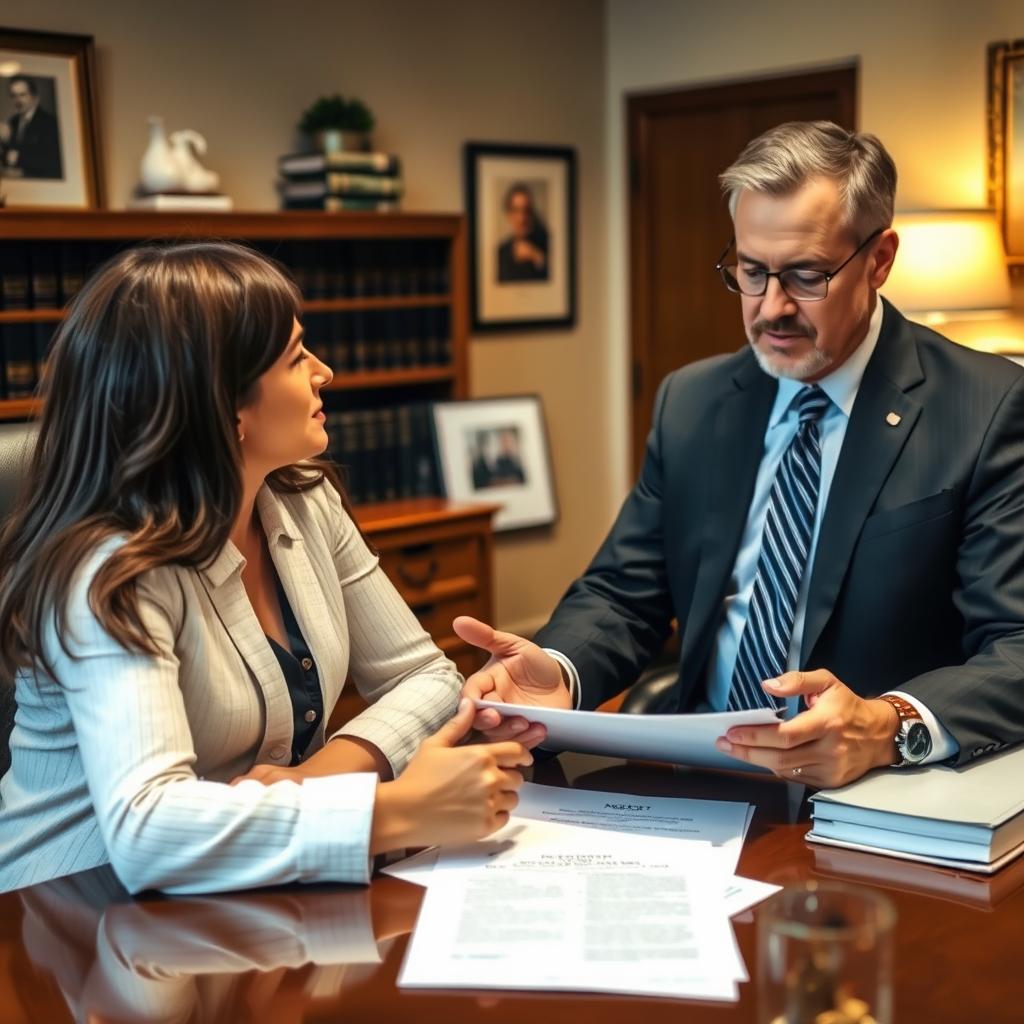
When Emily walked into the Louisa County Circuit Court on West Main Street, she wasn’t sure how the judge would divide the farm her family had owned for two generations. Her separation agreement was unsigned, and her husband’s retirement accounts felt like a black box. Property settlement in Virginia isn’t about a 50‑50 split — it’s about what’s equitable under the law. Mr. Sris and the firm’s Of Counsel attorneys work with people in Louisa, Mineral, and Zion Crossroads to make the process clearer. If you are concerned about protecting your financial future in a divorce, call (888) 437‑7747 to request a consultation. Law Offices Of SRIS, P.C. – Advocacy Without Borders.
How a Property Settlement Lawyer Can Help in Louisa County
Virginia follows equitable distribution, not community property. Under Va. Code § 20‑107.3, a Louisa County judge divides marital assets fairly — but not necessarily equally — by weighing eleven factors such as the length of the marriage, each spouse’s contributions, and the tax consequences of the division. For many families, the most valuable assets aren’t just a house; they include pensions, 401(k)s, stock options, and a small business. Mr. Sris and the firm’s Of Counsel attorneys focus on making sure all assets are properly identified, valued, and classified as marital or separate before negotiations or trial.
Often, a written separation agreement — what Virginia calls a property settlement agreement — can resolve everything without a courtroom battle. The firm’s attorneys review the agreement to confirm that no hidden asset is overlooked and that the terms are enforceable. When an agreement isn’t possible, litigation in the Louisa County Circuit Court at 100 West Main Street is the next step. The firm appears regularly in that courthouse and understands how local judges apply equitable distribution principles.
For a complete statutory analysis, see the detailed breakdown on our main site.
What to Expect During the Property Division Process
Most property settlement matters in Louisa County unfold in stages. First, each spouse provides a complete financial disclosure — bank statements, deeds, retirement plan summaries, and tax returns. Discovery often involves subpoenas or formal requests when one side suspects assets are being concealed. The firm’s attorneys then classify every item: property acquired during the marriage is presumptively marital; inheritances or gifts from a third party are usually separate.
Courts in the Sixteenth Judicial District typically schedule a status conference early on and may order the parties to mediate. Mediation can narrow the issues, but if it fails, a trial is set before the circuit court judge. At trial, both sides present evidence on the eleven Va. Code § 20‑107.3 factors. Mr. Sris and the firm’s Of Counsel attorneys prepare for trial from the first meeting, so that if a contested hearing is necessary, the client’s case is ready.
The timeline depends on the court’s docket and the complexity of the assets. A straightforward case with a signed agreement can be finalized relatively quickly once the statutory separation period is met; a disputed business valuation or contested business records will take longer. Clients can expect regular communication from the firm as each stage progresses.
How Equitable Distribution Shapes the Outcome
Unlike a simple division of a bank account, equitable distribution in Virginia is a narrative inquiry. The judge looks at why the marriage ended, who paid for what, and who will need more support after divorce. Louisa County judges have seen every kind of marital estate — from small family farms slowly accumulated over decades to high‑net‑worth couples with international assets. The firm’s attorneys emphasize the factors that matter most in your situation, whether that is a spouse’s wrongful dissipation of assets or the non‑monetary contributions of a parent who stayed home with children.
Retirement plans often create the biggest dispute. A 401(k) or state pension earned during the marriage is marital, but the way it is divided — through a Qualified Domestic Relations Order (QDRO) — requires precise drafting. Mr. Sris testified before the Virginia House Courts of Justice Committee in support of 2019 HB 635, which addressed QDRO‑related procedures. The firm’s experience with complex financial instruments means clients get advocacy that accounts for both immediate and long‑term consequences.
Separate property, such as a farm inherited before marriage, stays with the original owner, but if marital funds were used to improve it, the increase in value may be subject to division. The firm’s attorneys work with forensic accountants and business valuators — professionals engaged by the firm, not employees — to get an accurate picture. The goal is a settlement or judgment that leaves you in a position to move forward.
About Mr. Sris and the Firm’s Of Counsel Attorneys
Mr. Sris, Owner and Founder of Law Offices Of SRIS, P.C., has practiced since 1997. He is a former prosecutor and is admitted in Virginia, Maryland, the District of Columbia, New Jersey, and New York. His legislative work includes testifying before the Virginia House Courts of Justice Committee in support of 2019 HB 635 (chief patron Del. David Bulova). Mr. Sris and the firm’s Of Counsel attorneys bring extensive combined legal experience to property settlement matters. Results may vary.
The firm’s Of Counsel attorneys are independent professionals who contract directly with Law Offices Of SRIS, P.C. They contribute deep familiarity with Virginia courts, including the Louisa County Circuit Court. On every case, Mr. Sris ensures that the team’s collective knowledge is applied to protect the client’s interests — whether that means negotiating a settlement or presenting persuasive evidence at trial.
Frequently Asked Questions
What is equitable distribution in Virginia?
Equitable distribution is the method Virginia courts use to divide marital property fairly, considering eleven factors under Va. Code § 20‑107.3. It does not mean a 50‑50 split; it means a fair division based on the specific facts of the marriage. A Louisa County Circuit Court judge weighs each factor — the length of the marriage, each spouse’s financial and non‑financial contributions, the age and health of the parties, and the tax consequences of the division. Separate property, such as an inheritance, is usually kept by the original owner, but the increase in its value during the marriage may be shared.
Do I have to go to court to settle property issues in Louisa County?
Many property settlements are resolved without a trial through a signed separation agreement. If both spouses can agree on how to divide assets and debts, the agreement can be submitted to the Louisa County Circuit Court. The judge reviews it for fairness, and if it is accepted, no contested hearing is needed. When an agreement isn’t possible, the case proceeds to trial. Mr. Sris and the firm’s Of Counsel attorneys prepare for both possibilities — negotiating actively while also building a trial‑ready case.
How are retirement accounts divided in a Virginia divorce?
Retirement accounts earned during the marriage are marital property and are divided through a court order called a Qualified Domestic Relations Order (QDRO). A QDRO tells the plan administrator how to split the account without early withdrawal penalties. Drafting a proper QDRO is technical; errors can cause unintended tax consequences. Mr. Sris testified in support of 2019 HB 635, which refined QDRO procedures in Virginia. The firm ensures the division of 401(k)s, IRAs, and pensions is handled correctly.
What if my spouse is hiding assets?
If you suspect hidden assets, an experienced lawyer can use discovery tools such as subpoenas, depositions, and forensic accountants to locate them. Courts in Virginia take concealment seriously and can adjust the division of property to penalize dishonest spouses. In Louisa County, the firm works with financial professionals to trace bank records, business receipts, and investment statements. Uncovering hidden assets early can prevent an unfair settlement and protect your financial future.
How does a property settlement lawyer charge for these cases?
Fees vary depending on the complexity of the assets and whether the case settles or goes to trial. Most family law matters are handled on an hourly basis, but the firm offers a consultation to discuss the likely scope of work and fee structure. During that consultation, Mr. Sris and the firm’s Of Counsel attorneys can give you a realistic picture of the costs based on your specific situation. For more details, contact Law Offices Of SRIS, P.C. at (888) 437‑7747.
Can I keep the house if it was bought before we married?
A house purchased before marriage is usually separate property, but the increase in its value during the marriage may be considered marital if marital funds or effort contributed to that increase. For example, if the mortgage was paid with income earned during the marriage, the other spouse might be entitled to a share of the increased equity. The classification and division of a family home in Louisa County depend on detailed tracing of payments and improvements. The firm’s attorneys review the entire financial history to get it right.
What is a property settlement agreement?
A property settlement agreement is a written contract between spouses that resolves all financial aspects of the divorce, including asset division, debt allocation, and sometimes spousal support. Under Va. Code § 20‑109, once signed and incorporated into the final decree, the agreement becomes binding and enforceable. The firm drafts, reviews, and negotiates these agreements to make sure no detail is missed. A well‑crafted agreement can save the expense and stress of a trial.
How long does the property division process take in Louisa County?
The timeline varies based on whether the case is settled or contested, the complexity of the assets, and the court’s calendar. A straightforward case with a signed agreement can be finalized relatively quickly after the mandatory separation period. Contested matters involving business valuations or hidden assets typically take longer. Mr. Sris and the firm’s Of Counsel attorneys work to resolve cases efficiently while protecting your rights at every stage.
Do I need a lawyer even if we agree on everything?
Even if you and your spouse agree, a lawyer can help ensure the agreement is legally sound, considers all assets, and won’t create future problems. Many people overlook retirement account division, tax consequences, or future debts. The firm reviews every proposed settlement to confirm it covers all marital property and that the terms will be enforced by the Louisa County court. For a consultation, call (888) 437‑7747.
What should I bring to my first meeting with a property settlement lawyer?
Bring recent bank statements, tax returns, deeds, retirement plan statements, and any existing separation agreements. A list of assets and debts, including approximate values and dates acquired, helps the attorney quickly assess your situation. Also bring any court orders already in place. The more complete the information at the first meeting, the faster the firm can give you a clear picture of what to expect in Louisa County.
Request a Consultation in Louisa County
If you are facing a property settlement dispute or want to prepare a separation agreement that protects your assets, reach Law Offices Of SRIS, P.C. at (888) 437‑7747. A member of our staff can schedule a consultation with Mr. Sris and the firm’s Of Counsel attorneys.
Law Offices Of SRIS, P.C.
Richmond Location
7400 Beaufont Springs Drive, Suite 300, Room 395
Richmond, VA 23225
Phone: (888) 437‑7747
By appointment only. Call to schedule.
Attorney advertising. Prior results do not guarantee a similar outcome. Results may vary. Case results depend on a variety of factors unique to each case.