
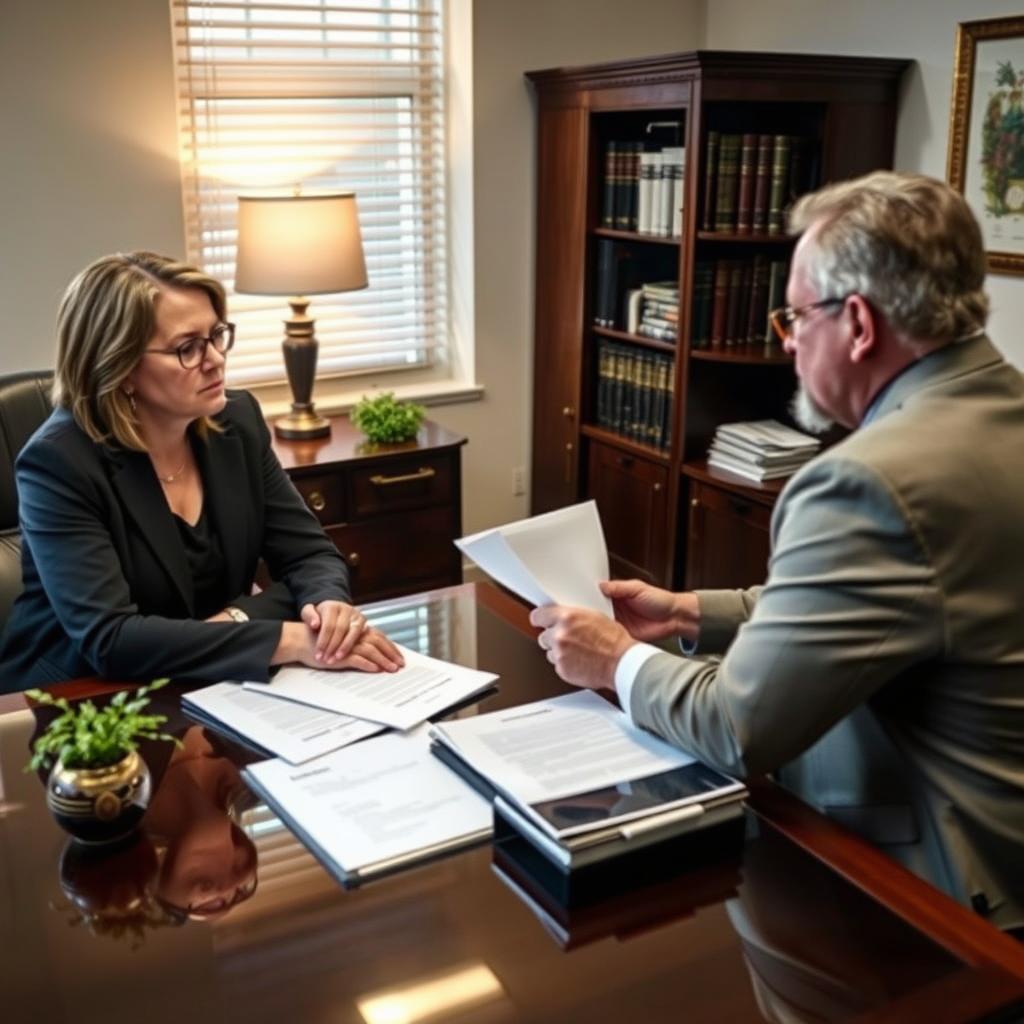
Post Divorce Enforcement Lawyer Goochland County, VA
You went through a difficult divorce, and the court issued a final decree—one that clearly spells out property division, spousal support, or custody arrangements. Now your former spouse isn’t holding up their end of the agreement. The child support payments are late or never arrive; the retirement account hasn’t been transferred; the house is supposed to be sold but nothing is happening. In Goochland County, enforcing a divorce decree isn’t automatic. You need an attorney who knows how to bring the matter back before the Goochland County Circuit Court or Juvenile and Domestic Relations District Court and push for compliance. Mr. Sris and his Of Counsel team at Law Offices Of SRIS, P.C. have been helping clients across Virginia enforce divorce-related orders since 1997. Reach our Richmond location at (888) 437-7747 to discuss your situation and learn how we can seek enforcement of the orders you already have. Law Offices Of SRIS, P.C. – Advocacy Without Borders.
How Post‑Divorce Enforcement Works in Goochland County
Post‑divorce enforcement is about making sure the terms of your divorce decree—or any later order—are actually carried out. In Goochland County, the court that issued the original order generally handles enforcement. The Circuit Court (2938 River Road West, Bldg G) oversees enforcement of final divorce decrees, including equitable distribution of property and spousal support awards. The Juvenile and Domestic Relations District Court handles enforcement of child custody, visitation, and child support orders. India is not a signatory to the 1980 Hague Convention on Civil Aspects of International Child Abduction.
When a party fails to comply—whether by not paying support, refusing to transfer assets, or violating a custody schedule—we can file a petition to enforce the order or a motion to compel compliance. The court may then schedule a hearing, which could result in a finding of contempt, entry of a monetary judgment for back amounts owed, or other remedies designed to move the case forward. The process is governed by Virginia Code Title 20, and as in all family law matters the court’s focus remains on achieving a fair resolution consistent with the original decree. Our attorneys are familiar with the procedural expectations of the Goochland courts and can guide you through the necessary steps.
How Mr. Sris and His Of Counsel Approach Enforcement Cases
Every enforcement matter starts with a careful review of the order that is not being followed. We identify exactly where the non‑compliance lies—is it a missed payment, a failure to list property for sale, or interference with parenting time—and then prepare the appropriate legal filing. Mr. Sris and his Of Counsel work to build a clear record of the violations so the court can see the pattern. At the same time, we look for practical solutions that may resolve the problem without a contested hearing; sometimes a strongly worded letter or a focused negotiation gets the other side back on track. When that isn’t enough, we press forward with a motion or petition in the Goochland County court that has jurisdiction. Because we have practiced family law across Virginia for many years, we know when to pursue contempt, when to seek a money judgment, and when to ask for a modification that fits the new reality. Throughout the process, we keep you informed so you understand your options and the likely path ahead.
About Mr. Sris and His Of Counsel Team
Mr. Sris, Owner and Founder of Law Offices Of SRIS, P.C., has been practicing since 1997 and is admitted in Virginia, Maryland, the District of Columbia, New Jersey, and New York. His work with Virginia family law matters includes direct experience with enforcement of divorce decrees, property division orders, and support obligations. Mr. Sris testified before the Virginia House Courts of Justice Committee in support of 2019 HB 635 (chief patron Del. David Bulova), a measure that revised the state’s equitable distribution statute. Alongside Mr. Sris, his Of Counsel team brings extensive combined legal experience in family law. Together, we help clients pursue enforcement of their court orders and protect the rights they worked hard to establish. Results vary; prior outcomes do not guarantee a similar result
Frequently Asked Questions
What is post‑divorce enforcement in Virginia?
Post‑divorce enforcement is the legal process of compelling a former spouse to comply with the terms of a divorce decree or related court order. In Virginia, if one party fails to pay spousal support, divide property as ordered, or follow custody and visitation provisions, the other party can ask the court to enforce the order. Enforcement may involve contempt proceedings, wage garnishment, or the entry of a judgment for unpaid amounts. The specific remedy depends on the nature of the violation and the court’s authority under Virginia Code Title 20.
What can I do if my ex‑spouse refuses to pay child support in Goochland County?
You can file an enforcement petition with the Goochland County Juvenile and Domestic Relations District Court. The court has broad powers to enforce child support orders, including income withholding, suspension of licenses, and contempt findings. We can help you document the missed payments and present a clear case to the judge. If the non‑payment is ongoing, the court may also consider whether a modification is warranted alongside the enforcement action.
How do I enforce a property division order from the Goochland County Circuit Court?
If your former spouse refuses to transfer property, sell the marital home, or divide retirement accounts as required by the decree, you can file a motion to enforce with the Circuit Court. The court may order specific performance of the required act, award a money judgment for the value of the property you should have received, or hold the non‑compliant party in contempt. Because property division can involve complex assets, working with an experienced family lawyer helps ensure all issues are properly presented.
What is the difference between enforcement and modification?
Enforcement seeks to make a party comply with an existing order; modification asks the court to change the terms of that order because of new circumstances. You can often pursue both at the same time if the original order is not being followed and a permanent change justifies updating its terms. For example, if child support is in arrears and the payor’s income has dropped significantly, you might enforce the arrearage while also seeking a modification going forward.
Do I need a lawyer to enforce my divorce decree in Goochland County?
You are not legally required to have a lawyer, but enforcement proceedings involve procedural rules and evidentiary requirements that are easier to meet with experienced counsel. The court will expect you to show exactly how the decree has been violated and what relief you are seeking. An attorney can help you gather the right records, draft the appropriate motions, and present your case effectively. Our firm offers consultations so you can understand your options before proceeding.
How long does enforcement take in Goochland County?
The timeline varies depending on the court’s calendar, the complexity of the violations, and whether the other party contests the enforcement action. Some straightforward matters may be resolved after a single hearing; others that involve multiple issues or discovery may extend over several months. We work to move your case forward as efficiently as the rules allow, but we cannot promise a specific resolution date.
What happens if the other party is found in contempt of court?
If the court finds the non‑complying party in contempt, it may impose sanctions designed to compel compliance. These can include fines, a requirement to pay the other side’s attorney’s fees, or, in some circumstances, jail time until the contempt is purged. The goal of contempt is to force the person to obey the order, not to punish for punishment’s sake. The specific sanction depends on the nature of the violation and the judge’s determination of what is appropriate.
Can I modify support while enforcing the current order?
Yes, you can often combine a request for enforcement of an existing support order with a petition to modify that order if a material change in circumstances has occurred. For example, while enforcing the collection of overdue spousal support, you might also ask the court to increase the support amount if the payor’s income has risen significantly. The court will handle both issues in the same proceeding when proper notice has been given.
How do I start the enforcement process?
Begin by gathering the original divorce decree, any modifications, and evidence of the violations—such as payment records, emails, or bank statements. Then schedule a consultation with a family law attorney who can evaluate your case and advise on the trusted course. We will review the orders, identify the appropriate court, and prepare the necessary motion or petition. Once filed, the other party receives notice and the court sets a hearing date.
What should I bring to a consultation about enforcement?
Bring your divorce decree, any subsequent court orders, a summary of payments received or not received, and any correspondence with your former spouse about the issue you want to enforce. Also include financial documents that show the impact of the non‑compliance—such as missed support, unpaid property settlement funds, or extra expenses you have incurred because the order is not being followed. The more complete the picture, the better we can assess your options.
Is there a time limit to enforce a divorce decree in Virginia?
Yes, Virginia law imposes certain deadlines for enforcement actions, but the applicable period can depend on whether you are seeking to collect a money judgment or enforce a property division. Because enforcement often involves a mix of legal and equitable claims, it is important to act promptly if the other side is not complying. Contacting an attorney early helps ensure you don’t inadvertently miss a deadline that could limit your remedies.
What if the other party lives out of state but the decree was entered in Goochland County?
The Goochland County court that issued the order retains jurisdiction to enforce it, even if the other party now lives elsewhere. However, serving the papers and obtaining compliance across state lines may add procedural steps. We can explain how the Uniform Interstate Family Support Act or other interstate enforcement tools apply to your case and work to bring the matter before the Virginia court effectively.
For further information, see these Virginia primary sources: Virginia Code Title 20 (Domestic Relations), Goochland County Circuit Court, and Virginia’s Judicial System.
Related family law matters we handle in Goochland County: Alimony Enforcement · Child Support Enforcement · Divorce Decree Enforcement · Family Law in Virginia · Divorce Representation.
Attorney advertising. Prior results do not guarantee a similar outcome.
Case results depend on a variety of factors unique to each case.