
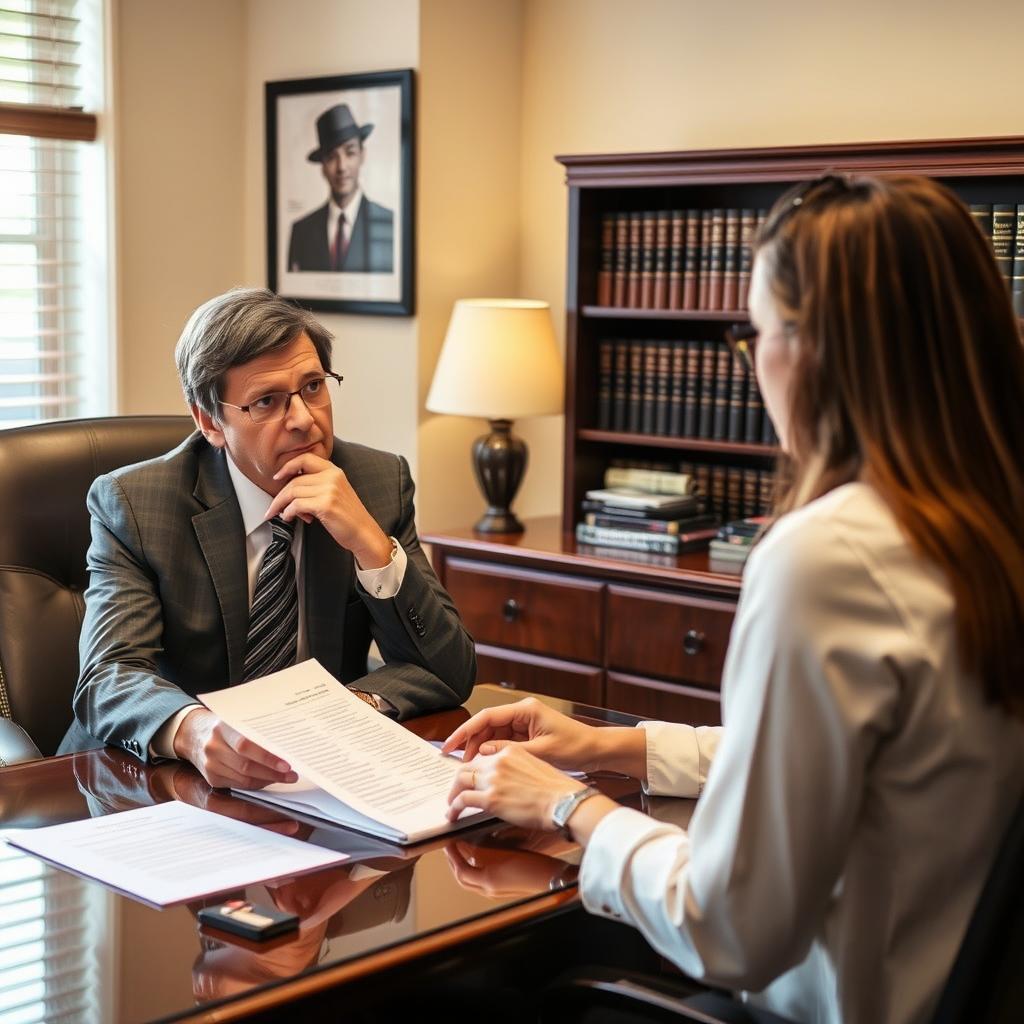
Child Support Enforcement Lawyer Rockingham County, VA
When a parent fails to comply with a court‑ordered child support obligation, the other parent may need to pursue enforcement through the legal system. In Rockingham County, Virginia, child support enforcement can involve contempt proceedings, wage garnishment, license suspension, and other remedies designed to secure compliance. Law Offices Of SRIS, P.C., founded in 1997, concentrates its practice on family law matters and represents parents seeking to enforce child support orders in Harrisonburg, Bridgewater, Dayton, Elkton, Timberville, Broadway, and throughout Rockingham County. Mr. Sris, Owner and Founder of the firm, and his Of Counsel team appear regularly in the Rockingham County courts and understand the local procedures that affect enforcement actions. Reach our firm at (888) 437-7747 to request a consultation about your child support enforcement matter. Law Offices Of SRIS, P.C. – Advocacy Without Borders.
What Child Support Enforcement Means in Rockingham County
Child support enforcement in Rockingham County takes place primarily in the Rockingham County Juvenile and Domestic Relations District Court. Located at 53 Court Square in Harrisonburg, Virginia, the court has the authority to enforce support orders entered by itself or by the Rockingham County Circuit Court when the support obligation arises from a divorce or separate maintenance order. Virginia law provides several tools for enforcement, including income withholding, the issuance of a rule to show cause, suspension of occupational or driver’s licenses, and in cases of willful non‑compliance, the court may impose sanctions up to and including incarceration.
The Rockingham County Juvenile and Domestic Relations Court handles standalone custody, visitation, support, and protective order matters, while the Circuit Court retains jurisdiction over the divorce and equitable distribution components. Because child support enforcement can involve both courts, an attorney familiar with the procedural distinctions between the two venues can help streamline the process. Enforcement actions often begin with a motion or petition explaining how the obligor has failed to meet the existing support order. The court then schedules a hearing, and the parent seeking enforcement must present evidence of the non‑compliance. Mr. Sris and his Of Counsel have experience appearing before both the Juvenile and Domestic Relations Court and the Circuit Court in Rockingham County and are familiar with the local practices that influence how quickly a matter is heard and what documentation the court expects.
The statutory framework for child support in Virginia is found in Code of Virginia Title 20, with the child support guidelines set out in Va. Code § 20‑108.1. Those guidelines calculate support based on the combined gross income of the parents, along with factors such as the cost of health insurance and child‑care expenses. When a parent fails to pay the amount ordered, the court can enforce the obligation through its contempt power. Contempt may be civil, designed to compel compliance by imposing sanctions that can be purged by payment, or criminal, if the court finds willful disobedience. The distinction matters because the remedies and the potential consequences differ. An experienced attorney can evaluate whether the non‑payment is willful or due to a material change in circumstances, which might call for a modification rather than an enforcement action.
How Mr. Sris and His Of Counsel Handle Child Support Enforcement Cases
Mr. Sris and his Of Counsel team begin each enforcement matter by reviewing the existing support order and the history of payments. They identify the most effective enforcement mechanism available under Virginia law and the specific facts of the case. Where the obligor is employed, income withholding is often the first step. If the obligor is self‑employed or has irregular income, other measures such as a petition for a rule to show cause or a request for license suspension may be more appropriate. The goal is always to obtain compliance while minimizing disruption to the child’s stability.
When a hearing is necessary, Mr. Sris and his Of Counsel prepare the parent seeking enforcement to present clear evidence of the missed payments. They file the required motions with the Rockingham County Juvenile and Domestic Relations Court, serve the obligor, and appear at the hearing. The firm’s familiarity with the local court calendar and the expectations of the bench in the Twenty‑sixth Judicial District helps ensure that the matter proceeds efficiently. If the obligor raises defenses—such as a claim of inability to pay—Mr. Sris and his Of Counsel test those assertions through discovery and cross‑examination. In cases where the obligor genuinely cannot meet the support obligation because of changed financial circumstances, the firm may counsel the client to consider a modification action rather than prolonged enforcement litigation. Across all scenarios, the focus stays on achieving a durable resolution that serves the best interests of the child.
About Mr. Sris and His Of Counsel Team
Mr. Sris, Owner and Founder of Law Offices Of SRIS, P.C., has practiced law since 1997. A former prosecutor, he brings an understanding of court procedures and evidence that informs his work in family law matters, including child support enforcement. Mr. Sris testified before the Virginia House Courts of Justice Committee in support of 2019 HB 635 (chief patron Del. David Bulova). He is admitted to practice in Virginia, Maryland, the District of Columbia, New Jersey, and New York, and maintains a personal caseload that allows him to give individual attention to each matter.
Mr. Sris’s Of Counsel team includes attorneys with substantial experience in family law and litigation. Collectively, Mr. Sris and his Of Counsel bring over 120 years of combined legal experience and have achieved over 4,739+ documented firm-wide results. Results may vary. The firm’s Shenandoah/Woodstock Location, at 505 N Main St, Suite 103, Woodstock, VA 22664, serves clients throughout Rockingham County, including Harrisonburg, Bridgewater, Dayton, Elkton, Timberville, and Broadway. Reach the location at (888) 437-7747 to schedule a consultation.
Frequently Asked Questions
What can I do if the other parent isn’t paying child support in Rockingham County?
The parent owed support can file an enforcement action in the Rockingham County Juvenile and Domestic Relations District Court. Virginia law allows the court to use income withholding, contempt proceedings, license suspension, and, when the obligor willfully refuses to pay, even incarceration. The process starts with a petition or motion explaining the amount of arrears and the failure to pay. Because the court requires specific documentation and adherence to local procedures, working with an attorney who appears regularly in Rockingham County can help the custodial parent present a strong case and obtain a timely resolution.
How does the court enforce a child support order in Virginia?
Virginia courts enforce child support orders through income withholding, show‑cause hearings under the court’s contempt power, and the suspension of occupational or driver’s licenses. If the obligor has a job, income withholding is usually the first step and does not require a separate hearing. When withholding isn’t effective—for example, when the obligor is self‑employed—the parent seeking enforcement can ask the court to issue a rule to show cause, ordering the obligor to appear and explain the non‑compliance. The court’s response depends on whether the failure to pay is willful or results from changed financial circumstances.
Can child support be enforced if the parent lives in another state?
Yes, Virginia participates in the Uniform Interstate Family Support Act (UIFSA), which permits enforcement of support orders across state lines. The Rockingham County court can work with the child support agency in the other state to garnish wages, intercept tax refunds, or suspend licenses. When the obligor has relocated, establishing jurisdiction and serving the necessary papers can add time, but the legal duty to support does not end at the state border. An attorney experienced in interstate enforcement can guide the custodial parent through the additional procedural steps.
Do I need a lawyer for child support enforcement?
While you are not legally required to have an attorney, representation can help navigate the procedural rules, evidence requirements, and contempt standards applied by the Rockingham County court. Enforcement hearings involve presenting payment records, demonstrating the obligor’s ability to pay, and responding to defenses. An attorney familiar with the local bench and practices can help frame the evidence effectively and can identify whether the case is better pursued as enforcement or as a modification. For guidance on your specific situation, reach Law Offices Of SRIS, P.C. at (888) 437-7747.
What is a rule to show cause in child support enforcement?
A rule to show cause is a court order that commands the obligor to appear before the judge and explain why they should not be held in contempt for failing to pay support as ordered. The parent seeking enforcement files a motion with the Rockingham County Juvenile and Domestic Relations Court setting out the specific violations. At the hearing, the court determines whether the obligor’s non‑compliance was willful. If it was, the court can impose remedial sanctions—such as a payment schedule—or punitive sanctions, which in extreme cases can include brief incarceration. The rule to show cause process gives the obligor an opportunity to present a defense, including an inability to pay, before any sanction is imposed.
How long does a child support enforcement case take in Rockingham County?
The timeline depends on the court’s calendar, the complexity of the enforcement issue, and whether the obligor contests the action. A straightforward income‑withholding order can be implemented within weeks. Contested enforcement proceedings, particularly those involving contempt allegations, may take several months, reflecting the time required for service of process, discovery, and a hearing date on the Rockingham County Juvenile and Domestic Relations Court’s docket. Mr. Sris and his Of Counsel work to move the matter forward as efficiently as the local court calendar allows. To discuss likely timing in your case, contact the firm at (888) 437-7747.
Outbound authority references: Virginia Code Title 20 (Domestic Relations) · Virginia Judicial System
Attorney advertising. Prior results do not guarantee a similar outcome. Case results depend on a variety of factors unique to each case. Results may vary.