
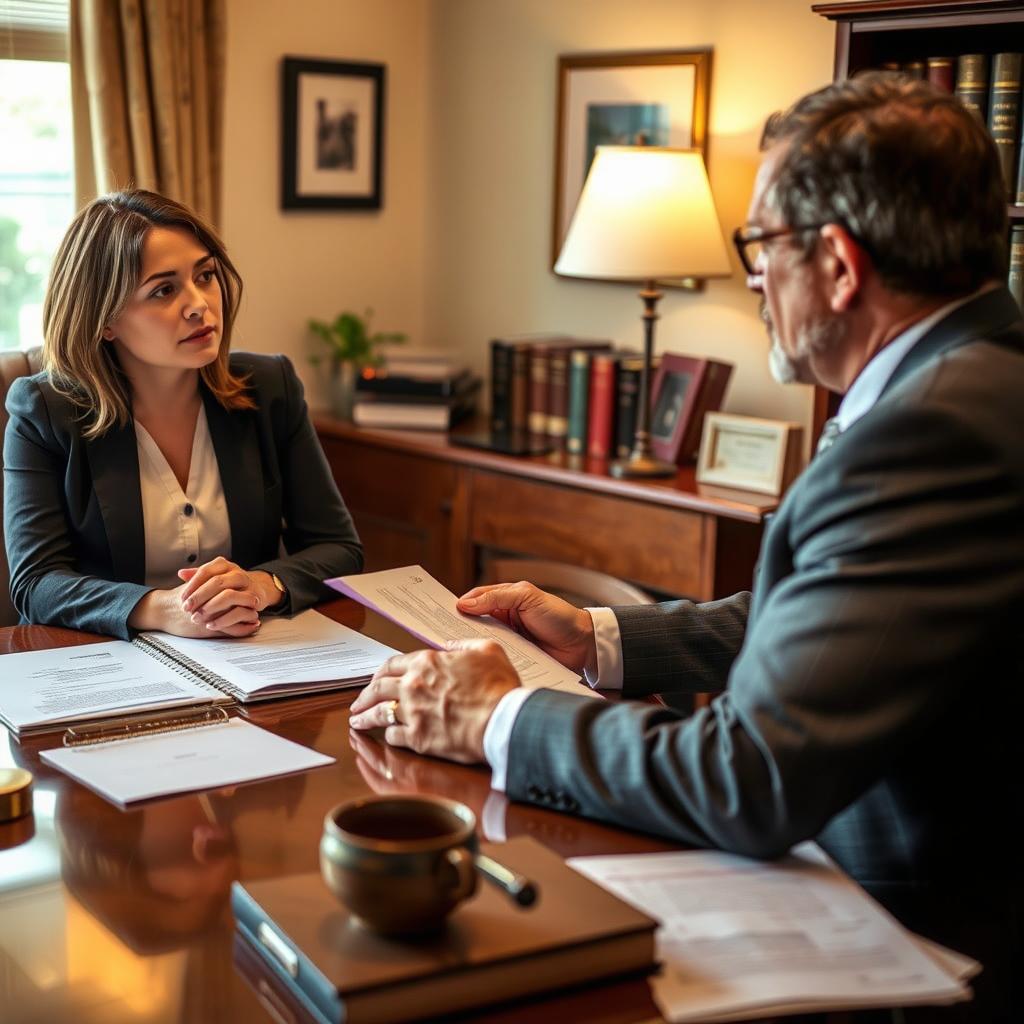
Supervised Visitation Lawyer Fluvanna County, VA
Supervised visitation is one of the most sensitive issues a parent can face in a Virginia family law case. When a court requires that a parent’s time with a child be monitored, it raises questions about safety, parental fitness, and the future of the family relationship. In Fluvanna County, these matters are heard by the Fluvanna County Juvenile & Domestic Relations District Court when visitation is the sole issue, or by the Fluvanna County Circuit Court when supervised visitation is part of a divorce or equitable distribution proceeding. Both courts sit at 72 Main Street, Suite B, Palmyra, Virginia 22963, and apply the same statutory best‑interests standard that governs all custody and visitation orders in the Commonwealth. Mr. Sris, a former prosecutor and the Owner and Founder of Law Offices Of SRIS, P.C., has represented parents in Fluvanna County family law matters since 1997. Together with his Of Counsel, he brings over 120 years of combined legal experience to each case, offering detailed preparation and a focus on protecting the parent–child bond. Results may vary. Our Shenandoah Location at 505 N Main Street, Suite 103, Woodstock, VA 22664 serves as a resource for clients throughout the region, and we appear regularly at the Fluvanna County courthouse. To discuss your supervised visitation matter, call (888) 437‑7747.
What Supervised Visitation Means in Fluvanna County
In Virginia, supervised visitation is an arrangement in which a parent’s time with a child must occur in the presence of a neutral third party. Courts do not order supervised visitation lightly; it is imposed only when there is credible evidence that unsupervised access could pose a risk to the child’s physical safety or emotional well‑being. The decision rests on the ten statutory best‑interests factors enumerated in Virginia Code § 20‑124.3, which include any history of family abuse, the mental and physical condition of each parent, and the child’s relationship with each parent. In Fluvanna County, the Juvenile & Domestic Relations District Court handles standalone petitions for visitation and any related protective orders, while the Circuit Court addresses visitation as part of a divorce. Both courts sit at the Palmyra courthouse and follow the same evidentiary standards.
The local bench is familiar with a range of family circumstances—from concerns about substance abuse or domestic conflict to situations involving a parent with limited parenting experience. When supervised visitation is ordered, the court typically specifies the schedule, the location where visits must occur, and the qualifications required of the supervisor. The supervisor may be a professional from an approved visitation center or, in some cases, a responsible family member agreed upon by the parties and approved by the court. Because supervised visitation can affect the child’s routine and a parent’s daily life, it is critical to present a complete picture of the family’s circumstances, supported by witnesses and documentation, at the initial hearing. Any violation of the order can result in further court action, making precise compliance essential.
How Mr. Sris and His Of Counsel Handle Supervised Visitation Cases
When a parent in Fluvanna County is facing a supervised visitation order or a request for one, Mr. Sris and his Of Counsel begin by carefully examining the specific allegations and the evidence behind them. The goal is to ensure that any restriction on parenting time is genuinely necessary—not based on an isolated incident or exaggerated claims. We work with clients to gather factual information, such as school and medical records, character references, and any documentation of the parent’s involvement in the child’s life. In court, we present the parent’s side of the story in a clear, organized manner and challenge unsupported assertions.
Where supervised visitation is already in place, the team focuses on building a path toward normal, unsupervised parenting time. This may involve negotiating a step‑up plan with the other parent’s attorney, advocating for a less restrictive supervisor, or pursuing a formal modification once the parent has demonstrated sufficient stability. Throughout the process, Mr. Sris and his Of Counsel keep the client informed of the likely timelines determined by the court calendar and the statutory framework. Because every family situation is different, we develop a strategy that accounts for the child’s developmental needs, the parent’s practical circumstances, and the specific dynamics present in Fluvanna County courts.
About Mr. Sris and His Of Counsel Team
Mr. Sris is the Owner and Founder of Law Offices Of SRIS, P.C. He began practicing law in 1997 and is admitted to the bars of Virginia, Maryland, the District of Columbia, New Jersey, and New York. As a former prosecutor, he brings a perspective shaped by experience in the courtroom, evaluating evidence from both sides of a dispute. Mr. Sris testified before the Virginia House Courts of Justice Committee in support of 2019 HB 635 (chief patron Del. David Bulova), a measure that revised Virginia’s equitable distribution statute. This involvement reflects the firm’s commitment to staying engaged with the laws that affect families across the Commonwealth.
Together, Mr. Sris and his Of Counsel bring over 120 years of combined legal experience to family law matters. Results may vary. They have documented 4,739+ case results across all practice areas since 1997; because every case turns on its specific facts. The Of Counsel attorneys are experienced litigators who work collectively on visitation disputes, drawing from backgrounds that include prior service as prosecutors and law‑enforcement professionals. When you retain Law Offices Of SRIS, P.C., you gain access to a team that prepares each case thoroughly and appears regularly in Fluvanna County courts.
Frequently Asked Questions
What is supervised visitation and when is it ordered in Virginia?
Supervised visitation is a court‑ordered parenting‑time arrangement in which a neutral third party must be present while a parent spends time with a child. Virginia judges order supervised visitation when they find that unsupervised contact would endanger the child’s physical safety or emotional welfare. Grounds may include a history of domestic violence, substance abuse, child neglect, or significant parenting deficits. The court’s authority stems from Virginia Code § 20‑124.2, which grants the court broad discretion to craft visitation terms that serve the child’s best interests. In Fluvanna County, these orders are entered by the Juvenile & Domestic Relations District Court or by the Circuit Court in divorce cases. The court will specify the location, frequency, and duration of the visits and may designate a professional supervisor or an acceptable family member.
What factors does the Fluvanna County court consider when deciding supervised visitation?
The court applies the ten best‑interests‑of‑the‑child factors listed in Virginia Code § 20‑124.3, with particular attention to any history of family abuse, the child’s relationship with each parent, and each parent’s ability to meet the child’s needs. In Fluvanna County, judges also consider practical matters such as the availability of a suitable supervisor, the distance between the parents’ homes, and the child’s age and school schedule. If a parent has a substance‑abuse issue, the court may require clean drug screens before visits occur. The judge weighs the evidence presented at a hearing and may interview the child in chambers if the child is of sufficient age and maturity. Having an attorney who can present documentary evidence and testimony regarding the parent’s fitness is often the difference between a temporary, monitored arrangement and one that lasts for many months.
Can a supervised visitation order be modified in Fluvanna County?
Yes, a parent can petition the Fluvanna County Juvenile & Domestic Relations District Court—or the Circuit Court if the order is part of a divorce—to modify or dissolve a supervised visitation requirement. To succeed, the parent must show a material change in circumstances since the last order and that lifting or altering the supervision is now in the child’s best interests. Typical changes include completion of a substance‑abuse treatment program, consistently negative drug screens, successful completion of parenting classes, or a significant period of incident‑free supervised visits. The requesting parent files a motion to modify visitation and presents evidence at a hearing. The court may gradually relax restrictions before entirely removing supervision. Working with an attorney helps ensure that the motion is supported by the right documentation and that the parent is prepared for the court’s questions.
Do I need an attorney for a supervised visitation case in Fluvanna County?
While you are not legally required to hire an attorney, supervised visitation disputes involve important constitutional rights and complex evidentiary standards, and a lawyer can help you navigate the process effectively. In Fluvanna County, the judge will expect you to understand the statutory factors and to present admissible evidence. A family law attorney can interview witnesses, subpoena records, and cross‑examine the other party’s witnesses about allegations that may be exaggerated. The stakes are particularly high because a supervised‑visitation order can limit your contact with your child for months or longer, and violating the order can lead to contempt proceedings or, in extreme cases, a reduction in future custody rights. For these reasons, many parents choose to be represented. To discuss your situation with Mr. Sris and his Of Counsel, call (888) 437‑7747.
How does the supervised visitation process work in Fluvanna County?
Typically, after the court enters a supervised‑visitation order, the judge designates a supervisor and sets the specific days, times, and location for the visits. In Fluvanna County, the Family Court may refer the family to a local visitation center or—if the parties propose a family member—the judge will decide whether that individual is fit to serve as a neutral supervisor. The parent must arrive on time, follow all of the court’s rules, and leave promptly when the visit ends. The supervisor may take notes and, if required, report back to the court. If the visits proceed without incident and the parent demonstrates consistent appropriate behavior, the court may later consider a step‑up plan toward unsupervised time. Because the order remains enforceable by contempt, strict compliance is necessary. An attorney can help the parent understand any ambiguous provisions before the first visit.
What should I do if I am facing a supervised visitation order in Fluvanna County?
Contact a family law attorney promptly so you can begin gathering the records, statements, and other evidence needed to present your side at the hearing. Do not wait until the day before court; the judge will expect you to be prepared. Collect school and medical records that show your involvement, character letters from people who have observed your parenting, and any documentation that contradicts the allegations against you. At your initial consultation with Law Offices Of SRIS, P.C., Mr. Sris and his Of Counsel will review the petition or motion that has been filed, explain the statutory factors that apply, and outline a preliminary strategy. Early preparation often makes the difference at the first hearing, when the court decides whether to impose or continue supervised conditions.
Attorney advertising. Prior results do not guarantee a similar outcome.
Case results depend on a variety of factors unique to each case.
Results may vary.