
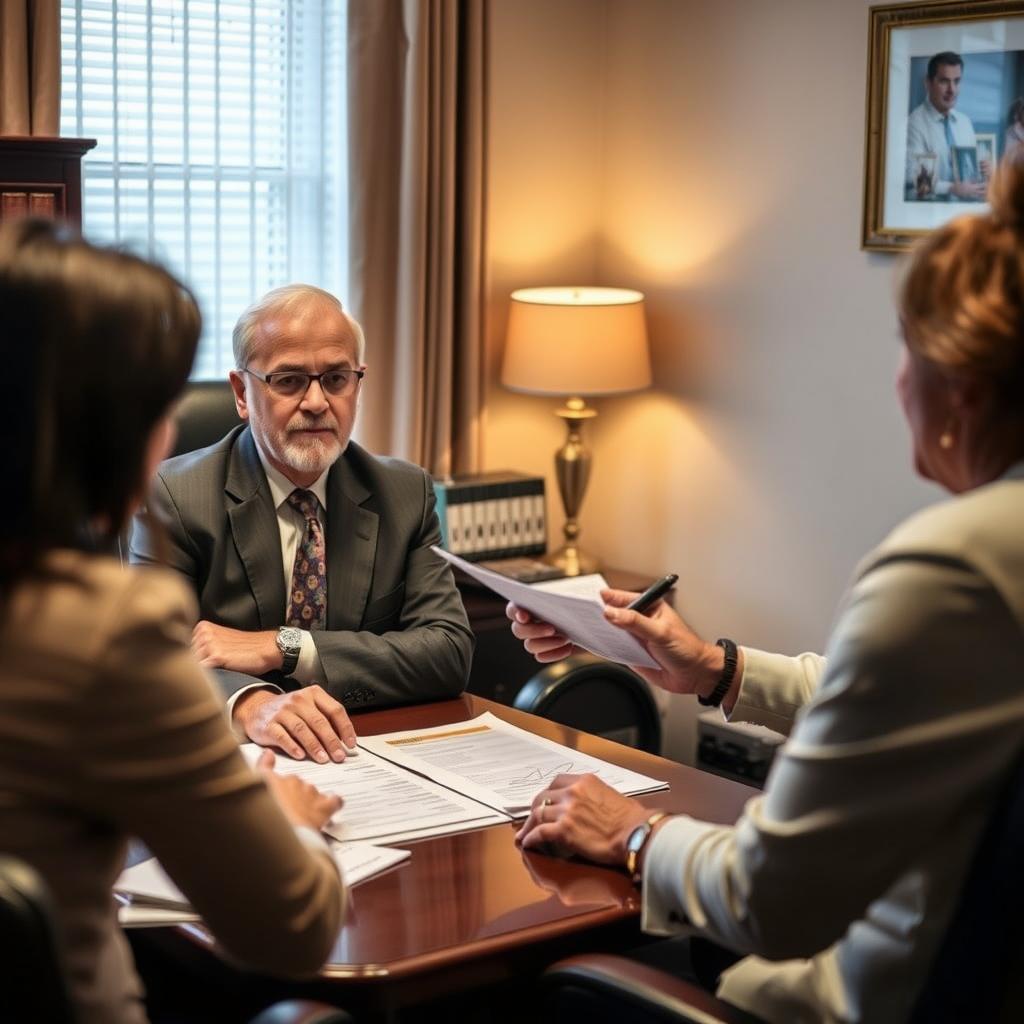
Parenting Schedule Lawyer Prince George County, VA
When parents in Prince George County need to establish, modify, or enforce a parenting schedule, the court’s decision can shape daily life for years. Whether you are navigating a separation, a divorce, or a custody dispute that does not involve the dissolution of marriage, having an experienced family law attorney can help you present a clear, child-focused plan. Law Offices Of SRIS, P.C. represents parents throughout Prince George County, Virginia, in matters involving parenting time, visitation, and the development of detailed parenting schedules that work for families. Mr. Sris and his Of Counsel bring over 120 years of combined legal experience to family law matters, and the firm has documented over 4,739 results. Results may vary. For a consultation about a parenting schedule matter in Prince George County, reach us at (888) 437-7747.
What Parenting Schedules Mean in Prince George County, Virginia
A parenting schedule is the court-approved plan that sets out when each parent has physical custody of the child and how decisions about the child’s welfare are shared. In Virginia, the governing legal framework is found in Title 20 of the Virginia Code. The court’s overriding concern is the best interests of the child, and Virginia law lists ten specific factors—including each parent’s role in the child’s life, the child’s relationship with each parent, and any history of abuse—that a judge must consider under Va. Code § 20-124.3. A parenting schedule addresses the school-year routine, holidays, summer breaks, and provisions for communication between parents. When parents cannot agree, the court will impose a schedule after hearing evidence.
In Prince George County, parenting schedule matters are heard in the Juvenile and Domestic Relations District Court when they are standalone custody or visitation cases. If the parenting schedule arises within a divorce, the Prince George County Circuit Court at 6601 Courts Drive, Prince George, VA 23875, has jurisdiction. The county is part of the Eleventh Judicial District, and many families in Prince George and the Hopewell area, including those connected to nearby Fort Gregg-Adams, rely on these courts. Mr. Sris and his Of Counsel are familiar with local court practices and work with clients to craft schedules that reflect the realities of commuting along I-295, Route 10, and the surrounding arteries. The firm’s Richmond location serves Prince George County families by appointment, and consultations can be arranged at (888) 437-7747.
How Mr. Sris and His Of Counsel Handle Parenting Schedule Cases
Building an effective parenting schedule involves far more than filling out a form. Mr. Sris and his Of Counsel begin by understanding the family’s day-to-day logistics, each parent’s work obligations, the child’s educational and extracurricular needs, and any special circumstances such as a parent’s military deployment or a child’s medical requirements. The goal is to present a proposed schedule that aligns with the trusted-interests factors under Va. Code § 20-124.3, while also being practical enough to reduce future conflict.
In many cases, the firm works toward a negotiated separation agreement or a consent order that includes a detailed parenting plan. When agreement is not possible, the attorneys prepare for a contested hearing. They marshal evidence, including testimony from the parents, school records, and, if warranted, input from a Guardian ad litem appointed to represent the child’s interests. Because Virginia courts retain the power to modify a parenting schedule when a material change in circumstances occurs, the firm also helps clients address later modifications—whether prompted by a parent’s relocation, a change in a child’s needs, or a parent’s failure to follow the existing schedule. Throughout, the approach remains focused on achieving a functional, enforceable arrangement that promotes the child’s stability.
About Mr. Sris and His Of Counsel Team
Mr. Sris, Owner and Founder of Law Offices Of SRIS, P.C., has practiced law since 1997 and is admitted in Virginia, Maryland, the District of Columbia, New Jersey, and New York. His background as a former prosecutor gives him valuable insight into the evidentiary demands of contested court proceedings, and he keeps a manageable caseload to give each family matter close attention. Mr. Sris testified before the Virginia House Courts of Justice Committee in support of 2019 HB 635 (chief patron Del. David Bulova).
Mr. Sris works alongside experienced Of Counsel attorneys, all of whom are engaged through Excella and bring thorough knowledge of Virginia’s domestic-relations statutes. Collectively, they have over 120 years of combined legal experience, and the firm has documented over 4,739 results. Results may vary. The team regularly appears in Prince George County courts and handles cases that range from agreed parenting plans to high-conflict relocation disputes. When you work with the firm on a parenting schedule matter, you benefit from that breadth of experience and from the coordinated effort of attorneys who understand both the statutes and the practical realities of family life in Prince George County.
Frequently Asked Questions
What is a parenting schedule in Virginia?
A parenting schedule is a court-ordered or agreed-upon plan that divides a child’s time between parents and allocates decision-making responsibilities. It covers the regular weekly calendar, holidays, school breaks, and summer vacation. Virginia courts create or approve parenting schedules under Va. Code § 20-124.2, always placing the best interests of the child first. A well-crafted schedule reduces ambiguity and can help parents avoid future court appearances. For Prince George County families, the schedule must also be practical given local school calendars and work commutes along major corridors such as I-295 and Route 10.
How does a Virginia judge decide parenting time?
A Virginia judge evaluates ten statutory factors under Va. Code § 20-124.3 to determine what parenting-time arrangement serves the child’s best interests. The factors include each parent’s role in the child’s upbringing, the child’s relationship with each parent, the willingness of each parent to support the child’s relationship with the other parent, and any history of family abuse. The court may also consider the child’s own preference if the child is of sufficient age and maturity. In Prince George County, the Juvenile and Domestic Relations District Court and the Circuit Court apply these same factors when setting or modifying a parenting schedule.
Can I modify an existing parenting schedule in Prince George County?
Yes, Virginia law permits a parent to request a modification of a parenting schedule if there has been a material change in circumstances and the change serves the child’s best interests. Common reasons include a parent’s relocation, a change in a parent’s work schedule, a parent’s failure to follow the existing schedule, or a significant shift in the child’s educational or medical needs. The parent seeking the modification files a motion with the court that entered the original order. Because modification litigation can be fact-intensive, parents often benefit from legal guidance to frame the change and present supporting evidence.
What role does a Guardian ad litem play in a parenting schedule case?
A Guardian ad litem is an attorney appointed by the court to represent the child’s best interests in a custody or visitation dispute. The Guardian ad litem conducts an independent investigation, interviews the parents and the child, reviews relevant records, and makes a recommendation to the court. While the judge is not bound by the recommendation, it carries substantial weight. In Prince George County, the court frequently appoints a Guardian ad litem in contested parenting schedule cases. Mr. Sris and his Of Counsel have extensive experience working with Guardians ad litem and presenting evidence that aligns with the child’s welfare.
Do I need a lawyer to create or modify a parenting schedule?
You are not legally required to hire a lawyer to create or modify a parenting schedule in Virginia, but the process involves evidentiary rules, statutory factors, and procedural deadlines that can be difficult to navigate without legal training. An experienced family law attorney can help you assess the strength of your position, gather the right documentation, negotiate with the other parent, and advocate effectively in court. For Prince George County families, a lawyer who knows the local courts and judges’ expectations can be particularly valuable. To discuss your situation, reach Law Offices Of SRIS, P.C. at (888) 437-7747.
How long does it take to get a parenting schedule order in Prince George County?
The timeline for obtaining a parenting schedule order depends on whether the parents agree, the court’s docket, and the complexity of the issues. A consent order reflecting a signed parenting agreement can be entered relatively quickly once the paperwork is submitted. A contested case, by contrast, may require a pendente lite hearing for temporary arrangements followed by a final hearing several months later. The Prince George County Juvenile and Domestic Relations District Court schedules hearings on its calendar, and parties should be prepared for a process that unfolds over multiple court appearances. For an estimate tailored to your circumstances, contact us at (888) 437-7747.
Primary Legal Sources: Virginia Code Title 20 (Domestic Relations) · Prince George County Combined Courts · Virginia’s Judicial System
Attorney advertising. Prior results do not guarantee a similar outcome. Results may vary.
Case results depend on a variety of factors unique to each case.