
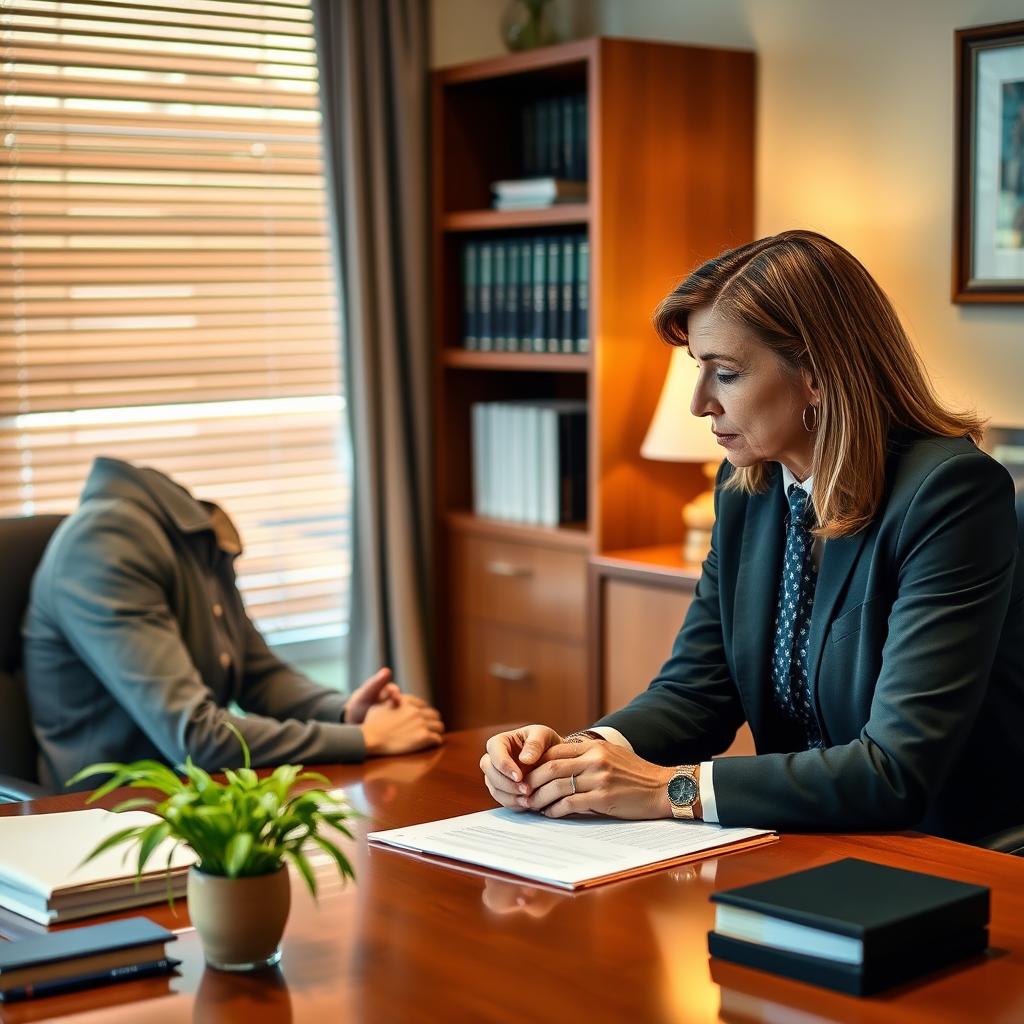
Fault Based Divorce Lawyer Virginia, VA
Filing for divorce on fault grounds in Virginia introduces considerations distinct from the no-fault track. Under Virginia law, a spouse who proves marital misconduct—such as adultery, cruelty, or desertion—may obtain a divorce without waiting through the statutory separation period, and the nature of the misconduct can influence the court’s decisions on spousal support and the division of marital property. Mr. Sris and his Of Counsel team at Law Offices Of SRIS, P.C. provide representation in fault-based divorce matters throughout Virginia, drawing on decades of experience with the procedural and equitable-distribution issues that arise once fault grounds are asserted. Whether the case involves a straightforward fault allegation or contested claims that require litigation in the circuit court, clients work with counsel who understand how fault intersects with Virginia’s equitable-distribution statute. For a consultation about your situation, reach the firm at (888) 437-7747. Law Offices Of SRIS, P.C. — Advocacy Without Borders.
What Fault Based Divorce Means in Virginia
Virginia Code § 20-91 sets out the grounds for a divorce from the bond of matrimony, and among them are several fault-based grounds. The most commonly invoked fault ground is adultery, which—when proven by clear and convincing evidence—allows the court to grant a divorce without requiring any period of separation. The statute also recognizes cruelty, reasonable apprehension of bodily harm, willful desertion or abandonment for at least one year, and a spouse’s conviction of a felony that results in confinement for more than one year. In each of these circumstances, the spouse who is seeking the divorce alleges that the other spouse’s conduct, rather than simply the end of the marital relationship, is the legal basis for ending the marriage.
Fault-based divorce cases in Virginia are filed in the circuit court of the county or city where either spouse resides. The circuit court has exclusive original jurisdiction over divorce suits under Va. Code § 20-96. The court will also decide any matters of custody, visitation, child support, spousal support, and equitable distribution that are pleaded in the case. Virginia is an equitable-distribution jurisdiction; the court classifies and values marital and separate property, then divides marital property based on the factors listed in . When fault grounds are pleaded and proved, the court may take the circumstances that contributed to the dissolution of the marriage into account, which can affect the distribution of assets and an award of spousal support.
How Mr. Sris and His Of Counsel Handle Fault Based Divorce Cases
Mr. Sris and his Of Counsel approach fault-based divorce matters by first evaluating whether the evidence supports the alleged ground and whether pursuing a fault claim is strategically consistent with the client’s overall objectives. Because a fault trial puts marital conduct at issue, counsel works with the client to gather the documentary and testimonial evidence that a court will expect to see. The team also addresses the procedural requirements—residency, proper service, and the necessary pleadings—so that the case moves through the circuit court without unnecessary delay.
When a fault claim is contested, Mr. Sris and his Of Counsel prepare the matter for trial, including the examination of witnesses and the presentation of evidence under Virginia’s rules of evidence. In situations where both parties might benefit from a negotiated resolution, counsel works to structure a settlement that addresses the client’s concerns about property division and support while recognizing the potential value of avoiding a public trial. The approach is tailored to the specific facts of each case, and the timeline for resolution depends on the complexity of the issues and the court’s calendar.
About Mr. Sris and His Of Counsel Team
Mr. Sris is the Owner and Founder of Law Offices Of SRIS, P.C. Admitted to practice in Virginia, Maryland, the District of Columbia, New Jersey, and New York, he has represented clients in family law matters since founding the firm in 1997. Mr. Sris testified before the Virginia House Courts of Justice Committee in support of 2019 HB 635 (chief patron Del. David Bulova), reflecting his engagement with the legislative framework that governs equitable distribution in Virginia. He works alongside an experienced Of Counsel team whose members have extensive litigation and family law experience; together, Mr. Sris and his Of Counsel bring over 120 years of combined legal experience and have achieved over 4,739 documented firm-wide results. Results may vary.
Law Offices Of SRIS, P.C. has served over 10,000 clients across its practice areas since 1997. The firm maintains its primary location at 4008 Williamsburg Court, Fairfax, VA 22032 and consults by appointment. Clients can reach the firm toll‑free at (888) 437-7747 to request a consultation about a fault-based divorce matter in Virginia.
Frequently Asked Questions
What is fault-based divorce in Virginia?
Fault-based divorce in Virginia is a divorce granted because one spouse committed marital misconduct, such as adultery, cruelty, or desertion, as defined by Va. Code § 20-91. Unlike a no-fault divorce, which requires a period of separation, several fault grounds allow the court to dissolve the marriage without any waiting period once the misconduct is proved. The most common fault ground is adultery. Cruelty, reasonable apprehension of bodily harm, willful desertion for one year, and a felony conviction experienced to confinement of more than one year are also recognized. Proving fault requires clear and convincing evidence, and the court will consider the proven misconduct when making decisions about spousal support and equitable distribution.
Do I need a lawyer to file a fault-based divorce in Virginia?
Virginia law does not require you to retain counsel to file for divorce, but a fault-based divorce presents evidentiary and procedural challenges that make legal representation advisable. Proving fault involves gathering and presenting evidence in a manner that satisfies the court’s rules of evidence and meets the clear-and-convincing standard. An attorney can help you evaluate whether the evidence supports a fault claim, prepare the necessary pleadings, comply with the applicable court procedures, and protect your interests in property division and support. Mr. Sris and his Of Counsel handle fault-based divorce matters throughout Virginia and can discuss your situation during a consultation.
How does adultery affect a divorce in Virginia?
A finding of adultery in a Virginia divorce can eliminate the separation waiting period and may affect spousal support and property division. Under Va. Code § 20-91, adultery is a fault ground that allows the court to grant a divorce without any period of separation. If a spouse is found to have committed adultery, that spouse may be barred from receiving spousal support unless the court finds that a denial would be manifestly unjust. The court may also consider the adultery as a factor in equitable distribution, because the circumstances that contributed to the dissolution of the marriage are among the statutory factors that guide how marital property is divided.
Can a fault-based divorce be contested?
Yes, either party can contest the fault ground or any of the related financial and custody issues in a Virginia fault-based divorce. If the defendant disputes the fault allegation, the court will hold a trial at which the plaintiff must prove the ground by clear and convincing evidence. Even if the fault ground is established, the parties may still disagree about the classification and valuation of marital property, the amount and duration of spousal support, or the parenting arrangements for minor children. Mr. Sris and his Of Counsel are experienced in litigating contested fault-based divorces in Virginia circuit courts and can represent you through trial or negotiated resolution.
What is the residency requirement for a Virginia divorce?
At least one spouse must have been a resident and domiciliary of Virginia for at least six months before a divorce suit is filed, under Va. Code § 20-97. The six-month period must immediately precede the commencement of the suit. The residency requirement applies equally to fault-based and no-fault divorces. The person filing for divorce must be prepared to demonstrate that the residency requirement has been met. If you have questions about whether you meet the residency requirement, you can contact the firm to discuss your specific circumstances.
Fault-based divorce legal services in Virginia cities: Danville, Hampton, Norfolk, and statewide.
Virginia primary legal sources: Virginia Code Title 20 (Domestic Relations), Virginia Courts, Va. Code § 20-91.
Attorney advertising. Prior results do not guarantee a similar outcome. Results may vary.
Case results depend on a variety of factors unique to each case.